Geopolitical Tensions Fuel Oil Profits While Investors Diversify into Renewables and AI Power
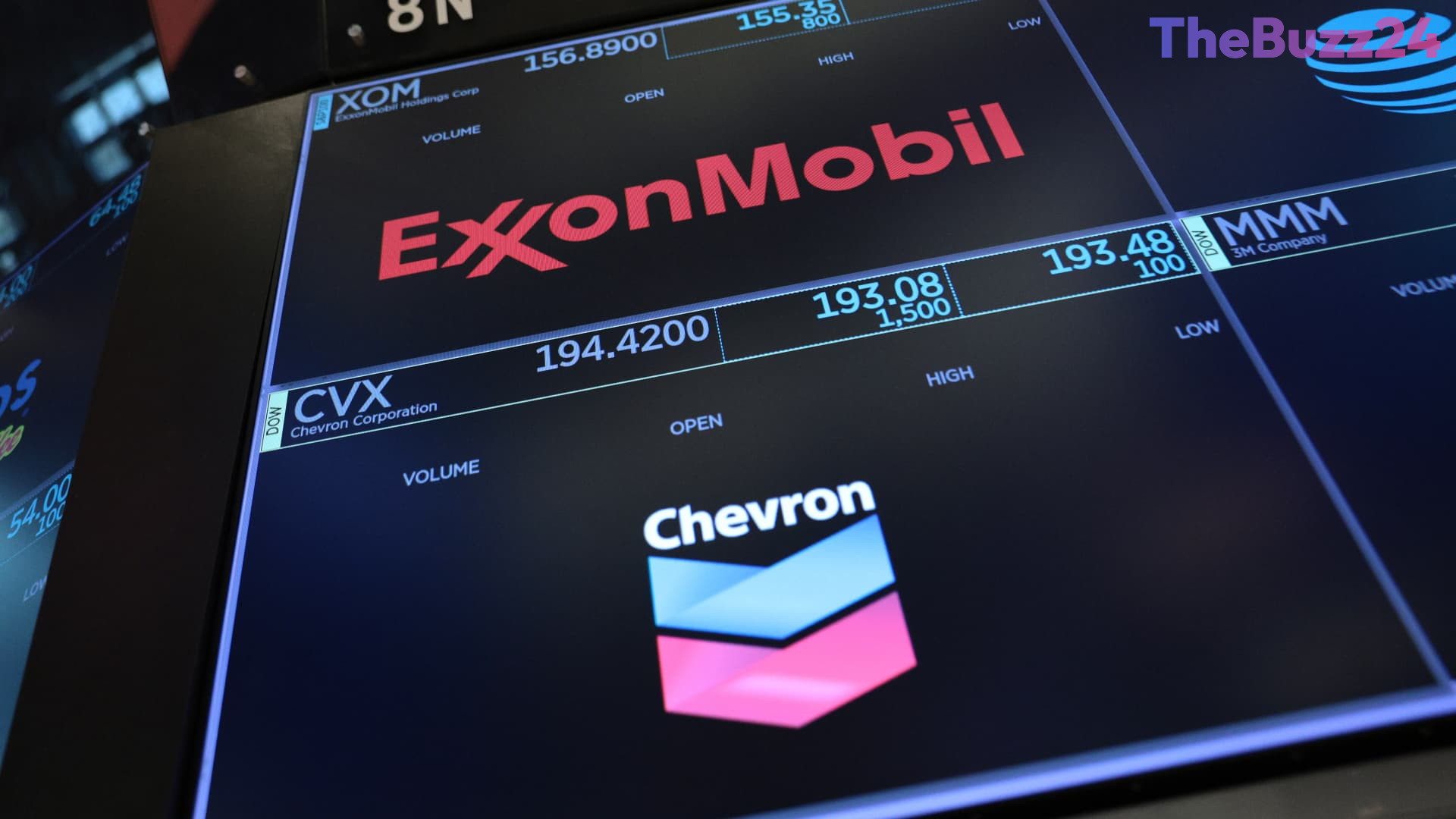
The global energy sector is bracing for a significant earnings season, with major oil companies anticipated to report exceptionally strong profits. This surge in profitability comes amidst a backdrop of persistent geopolitical instability, which continues to shape crude oil prices and broader market dynamics. Analysts are forecasting substantial increases in earnings per share for industry giants like ExxonMobil, Chevron, Shell, Marathon Petroleum, and ConocoPhillips, reflecting a robust period for traditional energy producers.
Geopolitical tensions remain a critical factor influencing energy markets. Recent events, including missile attacks in the Middle East, underscore the fragility of regional stability and its immediate impact on oil prices. Despite these escalations, the market has shown a reluctance to price in sustained, dramatic spikes, with many investors anticipating eventual resolutions to prolonged stalemates. Concurrently, strategic efforts by nations like Saudi Arabia and the UAE to develop alternative oil export routes aim to reduce reliance on vulnerable chokepoints like the Strait of Hormuz. In Eastern Europe, the ongoing conflict has seen Ukraine target key Russian refineries, potentially tightening the market for refined products while possibly increasing crude availability if Russia’s refining capacity is hampered.
Against this complex landscape, Wall Street analysts are offering diverse investment perspectives. While some firms, like Bank of America, maintain a positive outlook on certain integrated oil companies such as Chevron, others are exploring opportunities beyond traditional fossil fuels. Investment interest is growing in renewable energy storage solutions, with companies like Fluence and Energy Vault Holdings drawing attention despite being labeled as “high risk” plays. Furthermore, the burgeoning demand for AI infrastructure is driving focus towards specialized electrical equipment suppliers like Forgent Power Solutions and liquid cooling technology providers such as nVent Electric PLC. The uranium sector is also experiencing renewed interest, with analysts upgrading companies like Cameco, citing strengthening fundamentals and record-high long-term contract pricing.
The current energy market thus presents a multifaceted picture: traditional oil and gas companies are capitalizing on elevated prices and demand, while geopolitical risks persist. Simultaneously, significant capital and analytical attention are flowing into the next generation of energy solutions, from storage and AI-power infrastructure to nuclear fuel. This dual focus highlights a sector in transition, balancing immediate profitability with long-term strategic shifts towards diversification and technological advancement.
Key Takeaways
- Major oil companies are projected to report exceptionally high profits, driven by current market conditions and geopolitical instability.
- Geopolitical conflicts in the Middle East and Eastern Europe continue to influence oil prices and global energy supply routes, yet markets show reluctance for dramatic, sustained price spikes.
- Wall Street analysts are increasingly recommending investments in renewable energy storage, AI-related power infrastructure, and uranium, signaling a diversification beyond traditional oil and gas.
Editor’s Analysis & Impact
The impending “monster” earnings from oil majors will likely spark renewed debate about energy policy, windfall taxes, and the pace of the energy transition. While these profits reflect current supply-demand dynamics exacerbated by geopolitical instability, they also highlight the continued reliance on fossil fuels. The simultaneous analyst recommendations for renewable energy storage, AI power infrastructure, and uranium indicate a strategic shift in investment focus. This suggests that while traditional energy remains profitable in the short term, the industry is actively diversifying. The long-term outlook points towards increased investment in technologies that support decarbonization and the growing energy demands of AI, potentially leading to a more distributed and varied energy landscape. However, the “high risk” labels on some new energy plays underscore the inherent volatility and competitive pressures in emerging sectors.
Frequently Asked Questions
Q: Why are oil companies expecting such high profits despite global economic concerns?
A: High profits are primarily driven by elevated crude oil prices, which have been sustained by geopolitical tensions, supply chain disruptions, and robust demand. Despite some market reluctance for extreme spikes, the underlying price levels remain favorable for producers.
Q: How are geopolitical events impacting the long-term energy strategy of nations?
A: Geopolitical events are accelerating efforts by nations to diversify energy sources and secure supply routes. For instance, countries are exploring new pipelines to bypass vulnerable chokepoints, and there's increased investment in domestic energy production and alternative technologies to reduce reliance on volatile regions.
Q: What new energy sectors are attracting investor interest?
A: Beyond traditional oil and gas, investors are increasingly looking at renewable energy storage solutions, infrastructure supporting AI data centers (like specialized electrical equipment and liquid cooling), and the uranium market, driven by renewed interest in nuclear power.
AI Disclosure: This article is based on verified data and official reports. Our Team and AI have cross-referenced every financial detail with primary sources to ensure total accuracy.
More from this Category