Gaza Disarmament Plan Offers Glimmer of Hope Amidst Dire Conditions
A new proposal for Hamas to disarm in Gaza, coupled with an Israeli withdrawal from occupied territories, presents a rare, albeit fragile, opportunity for diplomatic progress in the region. This initiative marks a significant shift, as Hamas has historically resisted such demands. The core of the proposition involves Hamas relinquishing its weapons in exchange for Israel vacating approximately 70% of Gaza it currently occupies.
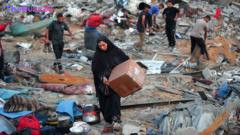
However, the path to implementing this plan is fraught with immense challenges. Decades of conflict, profound mistrust, and the devastating human cost, including the loss of tens of thousands of lives and widespread destruction in Gaza, have created a complex and volatile environment. The humanitarian situation for over two million Palestinian civilians is catastrophic, with many losing their homes and livelihoods. Reports indicate extensive damage to infrastructure, with some suggesting a deliberate effort to dismantle communities and make life untenable for Palestinians, fueling fears of ethnic cleansing.
On the Israeli side, a prevailing sentiment among the majority population is that Hamas must be completely disarmed to eliminate the perceived threat. The October 7th attacks, which resulted in nearly 1,200 deaths and the taking of 251 hostages, have deeply ingrained this belief. The political landscape in Israel, with upcoming elections and Prime Minister Benjamin Netanyahu facing domestic and international pressures, adds another layer of complexity. Netanyahu’s political survival and legal standing are intertwined with his handling of the conflict, potentially influencing his approach to any disarmament deal.
Simultaneously, Hamas is under immense pressure, having suffered significant losses in fighters and leadership. The group is also working to regain public support amidst widespread blame for the consequences of the October 7th attacks and facing internal challenges. The success of the disarmament plan hinges not only on the immediate parties but also on sustained international engagement, particularly from the United States, and the stabilization of the broader region, including the volatile West Bank.
Key Takeaways
- A new proposal suggests Hamas disarmament in exchange for Israeli withdrawal from Gaza, offering a potential diplomatic opening.
- The plan faces significant obstacles due to the deep-seated mistrust, extensive destruction in Gaza, and complex political situations in both Israel and among Palestinian factions.
- Political pressures, including upcoming elections in Israel and the US, and the ongoing humanitarian crisis in Gaza, will heavily influence the feasibility and outcome of the disarmament initiative.
Editor’s Analysis & Impact
This proposed disarmament plan, while offering a rare glimmer of hope, operates within an extremely volatile geopolitical context. The deep-seated animosity and the sheer scale of destruction in Gaza present formidable practical and psychological barriers. For Israel, the perceived existential threat from Hamas necessitates a complete dismantling of the group’s military capabilities. For Palestinians, the immediate need for humanitarian aid and a path towards self-determination are paramount. The involvement of international actors, particularly the US, will be critical, but their own domestic political considerations could impact sustained engagement. The success of this initiative will likely depend on incremental steps, confidence-building measures, and a broader political horizon that addresses the root causes of the conflict, rather than solely focusing on military disarmament.
Frequently Asked Questions
Q: What is the core proposal for Hamas to disarm?
A: The proposal suggests that Hamas would hand over its weapons in exchange for Israel withdrawing from 70% of the Gaza Strip that it currently occupies.
Q: What are the main obstacles to this plan?
A: Major obstacles include the deep mistrust between Israelis and Palestinians, the catastrophic humanitarian situation and widespread destruction in Gaza, and the complex political landscapes within both Israel and Hamas, influenced by upcoming elections and internal pressures.
Q: Why is this disarmament plan considered significant?
A: It is significant because Hamas has historically refused to disarm, making this potential agreement a rare development that could open a path for diplomatic progress, despite the numerous challenges.
AI Disclosure: This article is based on verified data and official reports. Our Team and AI have cross-referenced every financial detail with primary sources to ensure total accuracy.
More from this Category