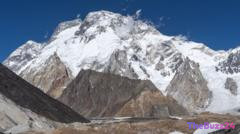
Tragedy on Broad Peak: Search Continues Following Fatal Avalanche in Pakistan
A devastating avalanche on Pakistan’s Broad Peak, the 12th highest mountain in the world, has triggered an extensive search and rescue operation following the death of several high-altitude mountaineers. Among the deceased is 39-year-old American climber Mallory Geis from San Antonio, Texas, whose remains were recovered by emergency personnel. The recovery team has also identified the bodies of Omani climber Nadhira Ahmed Abdullah Al Harthy and Nepali guide Pur Bahadur Gurung, while rescue teams continue to navigate extreme high-altitude terrain in search of missing expedition members.
The 10-person international team was led by renowned mountaineer Nirmal Purja when the snowslide hit the 8,047-meter peak in the Karakoram range along the Pakistan-China border. Despite severe weather conditions hampering operations, military helicopters and ground crews carrying specialized equipment have been deployed to the area. Aerial drone surveys have spotted additional victims, though exact conditions remain uncertain until search groups can physically reach the site.
Emergency responders initially tracked GPS signals from several members, including Purja, but subsequent investigations revealed that at least one tracking device was destroyed during the disaster, leading to false location signals. Pakistani national Sohail Sakhi remains unaccounted for as search teams battle time and freezing temperatures. Survival experts noted that while the chances of finding survivors diminish significantly after 24 hours, active search efforts persist.
Broad Peak has a long and dangerous history in extreme mountaineering, claiming dozens of lives since its first successful ascent in 1957. The complex terrain and unpredictable weather patterns make it one of the most perilous 8,000-meter peaks in the world, once again underscoring the severe risks faced by expedition teams attempting extreme high-altitude climbs.
Key Takeaways
- A fatal avalanche on Pakistan's Broad Peak claimed the lives of American climber Mallory Geis and at least two other international mountaineers.
- Celebrated mountaineer Nirmal Purja led the 10-person expedition hit by the avalanche in the Karakoram range.
- Pakistan military helicopters and specialized ground teams continue rescue efforts despite extreme weather and damaged location tracking hardware.
Editor’s Analysis & Impact
This tragedy on Broad Peak highlights the inherent and inescapable hazards of high-altitude commercial and record-setting mountaineering. As global interest in scaling 8,000-meter peaks grows, driven by high-profile athletes and commercial expedition services, the density of climbers on unpredictable peaks in the Karakoram range increases overall exposure to lethal hazards. Furthermore, the destruction of satellite GPS devices during the slide underscores critical limitations in modern safety technology during extreme events. Moving forward, expedition operators and regional authorities in Pakistan may face increased scrutiny to adopt stricter safety frameworks, improve emergency communication redundancies, and revise risk management strategies during volatile alpine weather windows.
Frequently Asked Questions
Q: Where is Broad Peak located?
A: Broad Peak is located in the Karakoram mountain range along the border of Pakistan and China, standing as the 12th highest mountain in the world at 8,047 meters.
Q: Who led the expedition involved in the Broad Peak avalanche?
A: The multinational team was led by Nirmal Purja, a famous Nepal-born high-altitude mountaineer known for breaking world records across 8,000-meter peaks.
Q: What primary challenges faced the search and rescue teams?
A: Rescue operations were hampered by extreme weather conditions, high altitude, hazardous terrain, and destroyed GPS trackers that generated unreliable location data.
AI Disclosure: This article is based on verified data and official reports. Our Team and AI have cross-referenced every financial detail with primary sources to ensure total accuracy.
More from this Category