Mediterranean Wildfire Crisis: Hundreds Evacuated by Sea as Blazes Sweep Across Europe
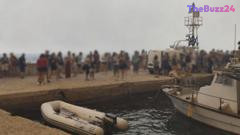
A severe wildfire crisis is unfolding across Southern Europe, forcing hundreds of residents and tourists to flee by sea in central Greece. As high winds and extreme heat continue to fuel flames, coastal towns have become trapped, necessitating emergency maritime evacuations. In the Agios Vasileios region of Viotia, approximately 500 individuals were stranded as fires rapidly encroached on the town, prompting authorities to coordinate boat rescues to ensure public safety.
The situation remains volatile across the region, with multiple fires burning simultaneously on islands including Crete, Paros, Andros, and Kalymnos. In Crete, thousands of hectares have been scorched, leading to the temporary displacement of 8,000 people. Firefighting efforts are being severely hampered by persistent high winds and the sheer scale of the blazes, which have moved through both rural farmland and residential areas, including the town of Xironomi.
Beyond Greece, the broader Mediterranean region is facing an unprecedented summer of fire activity. Portugal and Spain are grappling with significant destruction, with Spain recording its largest wildfire in history within the Ávila region. Meanwhile, Turkey has reported over 200 wildfires since mid-week, with active threats remaining along its Mediterranean coastline. Experts point to a combination of mild, wet winters that encouraged vegetation growth and subsequent intense heatwaves as the primary drivers for this season’s extreme fire conditions.
Data from across the European Union indicates that the total land area burned this year is significantly higher than historical averages. With firefighters stretched thin and weather conditions remaining favorable for fire spread, authorities have issued warnings that the risk of new or re-igniting blazes will persist throughout the coming days. Emergency services continue to prioritize the evacuation of vulnerable populations while attempting to contain the most aggressive fronts.
Key Takeaways
- Hundreds of tourists and residents were evacuated by sea in central Greece as wildfires cut off land escape routes.
- Extreme heatwaves and high winds have created a perfect storm for wildfires across Greece, Spain, Portugal, and Turkey.
- Total land area burned in parts of Europe has reached record levels, with officials warning that the high-risk period for new fires will continue.
Editor’s Analysis & Impact
The current wildfire crisis across Southern Europe highlights a growing systemic vulnerability in the Mediterranean tourism and agricultural sectors. The convergence of climate-driven heatwaves and the accumulation of dry biomass from previous wet seasons has created a volatile environment that current firefighting infrastructure is struggling to manage. Economically, this poses a significant threat to the tourism industry, which is a cornerstone of the Greek and Turkish economies, as well as the agricultural output of Spain and Portugal. Looking ahead, governments will likely need to shift from reactive firefighting strategies to more aggressive, long-term land management and fire-prevention policies. The increasing frequency of these ‘mega-fires’ suggests that the insurance and real estate sectors in these regions may soon face a re-evaluation of risk, potentially impacting property values and insurance premiums in high-risk coastal and rural zones.
Frequently Asked Questions
Q: Why are these wildfires spreading so quickly?
A: The rapid spread is primarily due to a combination of extreme heatwaves, strong winds, and an abundance of dry vegetation that grew during a mild, wet winter, providing ample fuel for the fires.
Q: Are these fires only affecting Greece?
A: No, the crisis is widespread across Southern Europe. Significant wildfire activity is also being reported in Spain, Portugal, and Turkey, with all these nations struggling to contain blazes that have burned thousands of hectares.
AI Disclosure: This article is based on verified data and official reports. Our Team and AI have cross-referenced every financial detail with primary sources to ensure total accuracy.
More from this Category