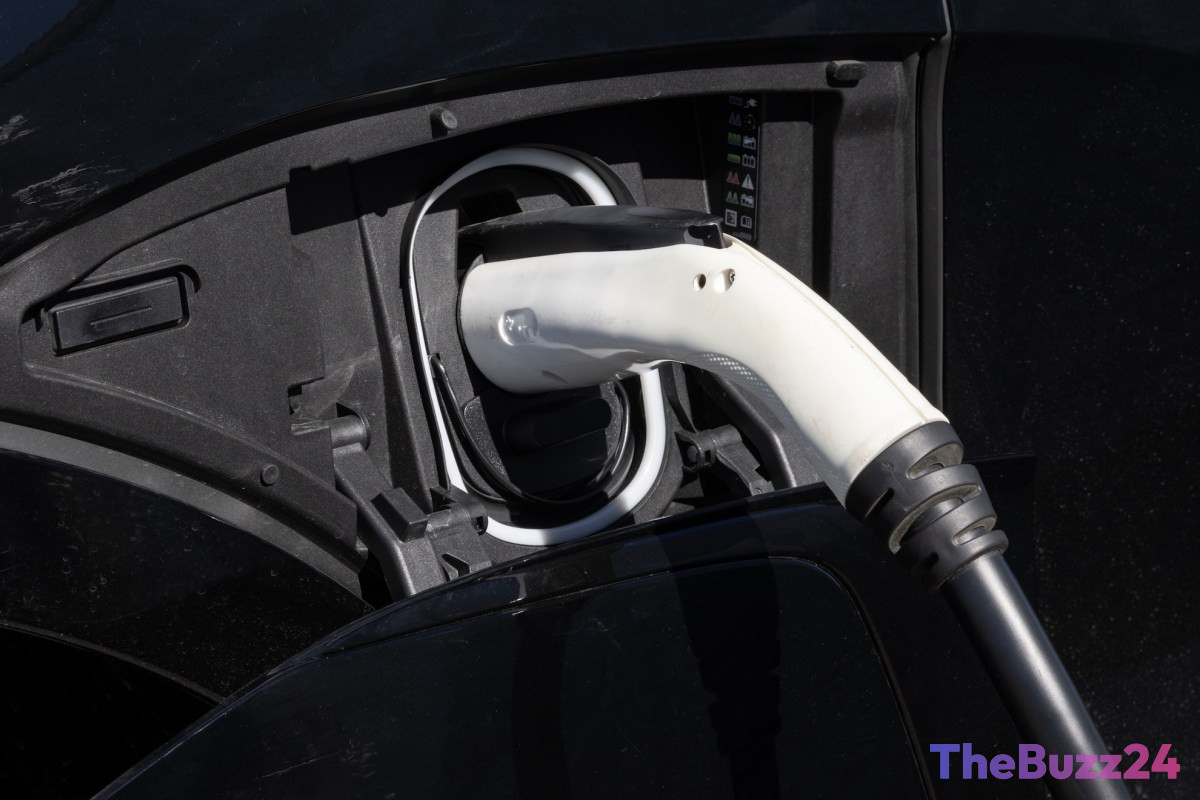
The Great EV Divide: China’s Dominance Versus the U.S. Stagnation
The global electric vehicle (EV) market is experiencing a significant bifurcation, characterized by a K-shaped growth pattern that sees China surging ahead while the United States faces a plateau. Last year, global EV sales surpassed 20 million units, representing approximately 25% of all new vehicle purchases. While emerging markets like Latin America saw a 75% jump in adoption, the U.S. market share remained stagnant at roughly 10%, highlighting a growing disparity in international automotive trends.
China’s rapid expansion is largely driven by aggressive pricing strategies and a massive domestic production capacity. Currently, two-thirds of all EVs sold in China are priced lower than their internal-combustion engine counterparts. This competitive advantage has allowed Chinese manufacturers to capture significant market share across Southeast Asia and establish a firm foothold in Europe, where they have already supplied over half a million vehicles. This shift challenges the long-standing assumption that electric mobility is inherently unaffordable for developing economies.
Conversely, the U.S. market is grappling with policy uncertainty, including the removal of certain federal tax incentives and the implementation of trade barriers designed to limit the influx of foreign-made EVs. These conditions have created a difficult environment for domestic startups like Rivian and Lucid, while legacy automakers continue to rely on traditional gasoline-powered vehicles to maintain short-term profitability. However, industry experts warn that this reliance may be a strategic liability, as consumer demand continues to shift toward electric and software-defined platforms.
As the industry approaches a tipping point where battery-electric vehicles are projected to become cheaper to manufacture than traditional cars, the pressure on laggard companies will intensify. Manufacturers that fail to pivot toward electrification risk long-term obsolescence, as global competitors continue to refine their supply chains and lower production costs. The future of the automotive sector will likely be defined by those who can successfully navigate these shifting economic and regulatory landscapes.
Key Takeaways
- Global EV sales reached 20 million units last year, but growth is unevenly distributed between China's rapid expansion and U.S. market stagnation.
- Chinese manufacturers are gaining a global competitive edge by producing EVs that are cheaper than comparable gasoline-powered vehicles.
- U.S. automakers face a strategic dilemma as policy shifts and trade barriers complicate the transition to electric, potentially threatening their long-term market share.
Editor’s Analysis & Impact
The K-shaped divergence in the EV market represents a critical juncture for the global automotive industry. China’s success is not merely a result of subsidies but a testament to a mature, vertically integrated supply chain that has achieved price parity with internal combustion engines. For the U.S., the current plateau is a symptom of both policy-induced friction and a lack of affordable entry-level options. The broader implication is that the global automotive hierarchy is being rewritten; legacy manufacturers that prioritize short-term margins over aggressive electrification risk being permanently displaced. As battery costs continue to decline, the ‘affordability gap’ will close, leaving companies without a robust EV strategy vulnerable to both domestic and international rivals who have already mastered the economics of electric vehicle production.
Frequently Asked Questions
Q: Why is the U.S. EV market growing slower than China's?
A: The U.S. market is facing headwinds from policy shifts, the removal of federal tax credits, and trade barriers, while Chinese manufacturers benefit from lower production costs and aggressive pricing.
Q: Are electric vehicles becoming cheaper than gasoline cars?
A: Industry forecasts suggest that battery-electric vehicles are nearing a point where they will be cheaper to produce than traditional gasoline vehicles, which is expected to further accelerate global adoption.
AI Disclosure: This article is based on verified data and official reports. Our Team and AI have cross-referenced every financial detail with primary sources to ensure total accuracy.
More from this Category