Global Oil Markets Face ‘Red Zone’ Warning as Summer Demand Looms
Global oil markets are bracing for a critical period as experts warn of a potential entry into a ‘red zone’ by mid-summer. As global stockpiles continue to dwindle, the convergence of depleted reserves and the anticipated surge in demand during the peak summer travel season threatens to destabilize energy prices further. The situation is exacerbated by ongoing geopolitical tensions in the Middle East, which have severely restricted the flow of oil through the strategically vital Strait of Hormuz.
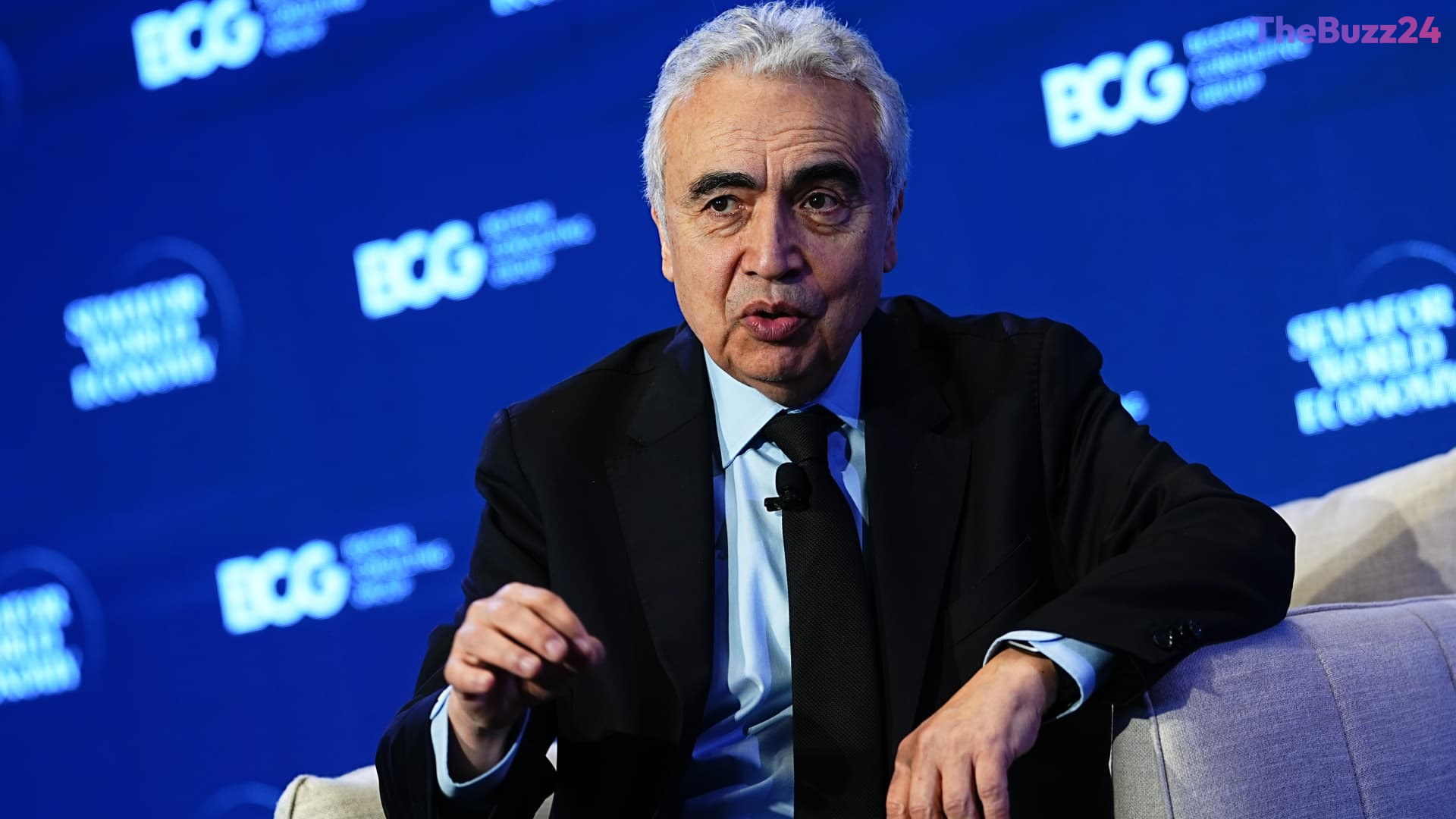
Fatih Birol, Executive Director of the International Energy Agency, has emphasized that the most effective remedy for the current energy shock is the unconditional reopening of the Strait of Hormuz. With approximately 20% of the world’s oil and liquefied natural gas typically transiting this waterway, the current halt in shipping traffic has created the most severe supply disruption in history. While the market initially relied on existing surpluses to absorb the shock, these buffers are rapidly eroding, leaving little room for error as the summer months approach.
Developing nations, particularly across Asia and Africa, are expected to bear the brunt of this crisis, with concerns extending beyond energy security to global food stability. Analysts note that even if shipping routes were to normalize immediately, the path to restoring pre-war production and refining levels will be a lengthy process. With over a billion barrels of production already lost, the global energy landscape remains in a state of extreme volatility, prompting international bodies to consider further releases from strategic reserves to mitigate the impact on consumers.
Key Takeaways
- Global oil markets may enter a 'red zone' by July or August due to depleted stockpiles and rising summer travel demand.
- The closure of the Strait of Hormuz remains the primary driver of the current energy supply crisis.
- Developing economies in Asia and Africa are identified as the most vulnerable to the ongoing energy and food security shocks.
Editor’s Analysis & Impact
The energy sector is currently navigating an unprecedented supply-side crisis that transcends simple market fluctuations. The reliance on the Strait of Hormuz as a global chokepoint highlights a systemic vulnerability in international energy infrastructure. As strategic reserves are tapped to dampen price volatility, the long-term outlook remains bearish for supply stability. The transition from a surplus-based market to one defined by scarcity suggests that energy prices will likely remain elevated for the foreseeable future. Furthermore, the correlation between energy costs and food security indicates that the broader economic impact will be inflationary, potentially stifling growth in emerging markets. Investors should anticipate continued volatility and a potential shift in global energy policy as nations prioritize domestic security over traditional supply chain reliance.
Frequently Asked Questions
Q: Why is the Strait of Hormuz so important to the global oil market?
A: The Strait of Hormuz is a critical maritime chokepoint through which approximately 20% of the world's total oil and liquefied natural gas supply passes, making its closure a major threat to global energy security.
Q: What does it mean for the oil market to enter a 'red zone'?
A: Entering a 'red zone' refers to a critical state where global oil stockpiles are insufficient to meet demand, likely leading to severe supply shortages and significantly higher prices for consumers.
AI Disclosure: This article is based on verified data and official reports. Our Team and AI have cross-referenced every financial detail with primary sources to ensure total accuracy.
More from this Category