AI Boom Fuels North Asia’s Market Surge, While South Faces Energy Headwinds
A significant divergence is emerging in Asian financial markets, with North Asian economies experiencing a robust rally driven by artificial intelligence integration, while their southern counterparts grapple with heightened energy price risks. Strategists observe that nations with substantial fiscal reserves and advanced AI adoption are leading the charge, benefiting from a surge in technology-focused stocks.
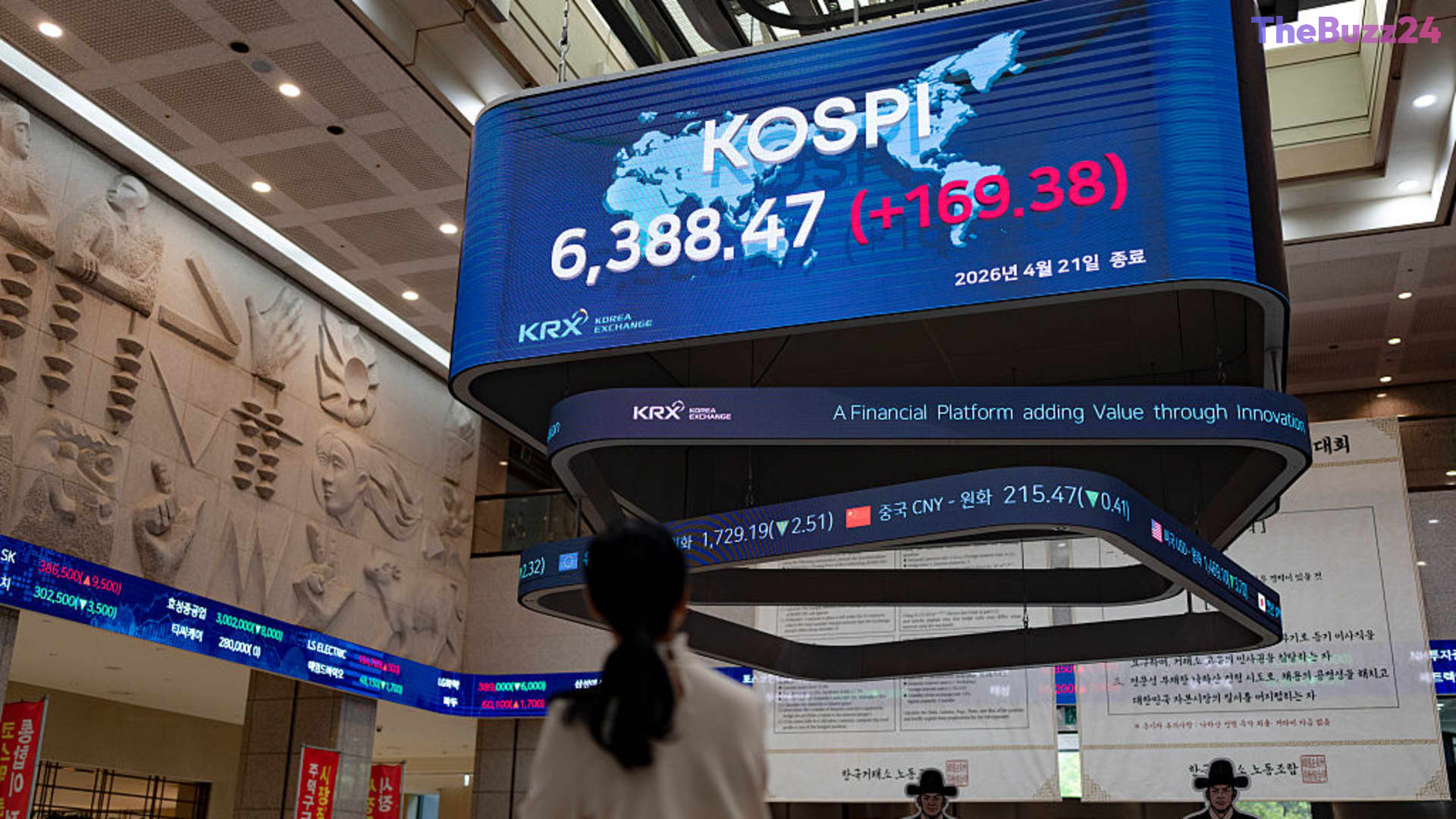
This trend is particularly pronounced in South Korea and Taiwan, where technology shares form the backbone of their respective stock markets. These indices have seen impressive gains, with some climbing over 80% year-to-date. While the enthusiasm for semiconductor giants like Samsung Electronics and SK Hynix is palpable, current valuations suggest a degree of caution regarding the long-term sustainability of these profit margins. Japan also presents a positive outlook, bolstered by political stability, consistent earnings growth, and advancements in AI-powered robotics.
Within China, a distinction is being drawn between A-shares and H-shares. The yuan-denominated A-shares have shown resilience, outperforming H-shares which are impacted by weaker earnings from internet companies. Policy support and a recent uptick in producer price inflation have provided a confidence boost. However, the region remains vulnerable to potential energy supply shocks that could precipitate a market downturn later in the year.
Analysts caution that while this market split presents investment opportunities, investors must remain aware of the potential for significant market corrections. The primary concern lies with economies possessing limited fiscal capacity to mitigate the impact of escalating energy costs, which could lead to a sudden reversal of fortunes.
Key Takeaways
- North Asian markets, particularly South Korea and Taiwan, are outperforming due to strong AI integration and tech stock rallies.
- Southern Asian economies are more vulnerable to energy price volatility, posing a risk to market stability.
- While AI drives growth, investors should be cautious of stretched valuations and potential energy-related market corrections.
Editor’s Analysis & Impact
The current market dynamic highlights a critical bifurcation in Asia, driven by the transformative power of AI versus the persistent threat of energy market instability. North Asian economies, with their robust tech sectors and fiscal strength, are well-positioned to capitalize on the AI revolution. However, the rapid ascent of tech valuations warrants careful monitoring. Conversely, southern markets face a dual challenge: navigating energy price fluctuations and potentially lacking the financial buffers to cushion economic shocks. This divergence underscores the need for a nuanced investment strategy, balancing the allure of AI-driven growth with the tangible risks of commodity price volatility and geopolitical energy concerns.
Frequently Asked Questions
Q: What is driving the outperformance in North Asian markets?
A: The outperformance is primarily driven by strong integration of artificial intelligence (AI) technologies and a rally in tech-heavy stock indices, particularly in Taiwan and South Korea. These regions also benefit from stronger fiscal buffers.
Q: What are the main risks for southern Asian markets?
A: Southern Asian markets are more exposed to energy price volatility. A potential energy supply shock could trigger market corrections, especially in economies with limited fiscal room to absorb higher costs.
Q: Are current valuations in Korean semiconductor stocks a concern?
A: Yes, valuations for some Korean semiconductor names are considered stretched, trading at high multiples of their earnings. This suggests some skepticism about the sustainability of their current profit levels.
AI Disclosure: This article is based on verified data and official reports. Our Team and AI have cross-referenced every financial detail with primary sources to ensure total accuracy.
More from this Category