Hamas Agrees to Disarmament Framework in Potential Breakthrough for Gaza Peace Initiative
In what could represent a major turning point in the prolonged regional conflict, Hamas has accepted a preliminary framework to completely disarm in Gaza. Following months of intensive diplomatic negotiations, the agreement centers on a plan to inventory and store remaining heavy weaponry under Palestinian oversight rather than transferring control directly to Israel. This crucial concession aims to eliminate the primary barrier stalling the Trump-backed peace initiative for the region.
The development follows internal leadership elections that positioned Gaza-based official Khalil al-Hayya at the helm of the movement. Insiders familiar with the discussions indicate that the newly established leadership was willing to execute a historic political shift, heavily influenced by the catastrophic humanitarian crisis gripping more than two million civilians in the territory. Negotiators described the dialogue as arduous, requiring careful compromise regarding the terminology and oversight of the disarmament process.
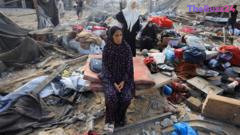
Despite the diplomatic progress, local sentiment on the ground remains heavily muted. Years of broken ceasefires and failed diplomatic efforts have left residents deeply skeptical of prospective breakthroughs. While the framework offers a glimmer of hope for halting a conflict spanning nearly three years, the civilian population continues to prioritize tangible outcomes—such as the cessation of hostilities, the return of displaced families, and sustained humanitarian aid—over procedural negotiation milestones.
Key Takeaways
- Hamas has accepted a framework to disarm in Gaza, focusing on inventorying and storing heavy weapons under Palestinian supervision.
- The diplomatic breakthrough was driven by the severe humanitarian crisis and new leadership under Khalil al-Hayya.
- Local residents in Gaza remain skeptical of the agreement due to a history of failed ceasefires and unfulfilled promises.
Editor’s Analysis & Impact
The tentative agreement regarding Hamas’s disarmament marks a critical psychological and strategic milestone in the ongoing Middle East conflict. If successfully implemented, this framework could fundamentally reshape the political landscape of Gaza, paving the way for substantial reconstruction efforts, international aid integration, and a long-term governance structure. However, the path forward is fraught with implementation risks. Trust deficits between Israel, Palestinian factions, and local civilians remain exceptionally high. The ultimate success of the initiative will depend not only on the physical verification of weapons storage but also on the immediate relief provided to displaced populations. Investors and international markets will monitor the situation closely, as a stabilized Gaza could reduce broader geopolitical volatility in the region.
Frequently Asked Questions
Q: What does the new disarmament framework entail for Hamas?
A: The framework involves the inventorying and storage of Hamas's remaining heavy weapons under Palestinian supervision rather than handing them over to Israel.
Q: Why did Hamas agree to the disarmament plan now?
A: The decision was heavily influenced by the devastating humanitarian conditions facing civilians in Gaza and the emergence of new leadership under Khalil al-Hayya.
Q: How are local residents reacting to the announcement?
A: Public enthusiasm is low due to deep skepticism born from years of failed ceasefires and collapsed agreements in the past.
AI Disclosure: This article is based on verified data and official reports. Our Team and AI have cross-referenced every financial detail with primary sources to ensure total accuracy.
More from this Category