Health Crisis at Sea: Hantavirus Outbreak on MV Hondius Triggers International Concern
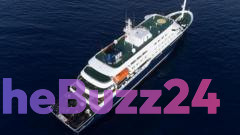
An international health emergency is unfolding aboard the MV Hondius, an expedition vessel operated by Oceanwide Expeditions. Currently positioned near Cape Verde, the ship is grappling with a hantavirus outbreak that has claimed the lives of three passengers, including a Dutch couple and a German national. With 149 passengers from 23 different nations on board, the situation has escalated into a significant maritime health crisis.
Medical experts are closely monitoring the spread of the Andes strain of the virus, which is typically associated with South American regions where the voyage originated. While hantavirus is traditionally contracted through contact with rodent waste, the high density of passengers on the vessel has sparked fears regarding the possibility of human-to-human transmission. Currently, there are two confirmed cases and five additional suspected infections among those on board.
In an effort to contain the pathogen, the vessel has implemented rigorous quarantine and disinfection protocols. Crew members are working under strict personal protective equipment guidelines, and medical evacuations are being organized for those exhibiting respiratory symptoms.
The future of the vessel remains uncertain as it seeks permission to dock in the Canary Islands for further medical observation. Spanish authorities have maintained a cautious stance, stating that any docking will depend on thorough epidemiological assessments to ensure the safety of the local population and prevent any further spread of the virus.
Key Takeaways
- Three fatalities and seven suspected or confirmed hantavirus cases have been reported on the MV Hondius.
- Health officials are investigating the rare possibility of human-to-human transmission of the Andes strain.
- The vessel is under strict quarantine near Cape Verde while awaiting medical clearance to dock.
Editor’s Analysis & Impact
The outbreak on the MV Hondius serves as a stark reminder of the epidemiological risks inherent in the cruise and expedition travel industry. The primary concern lies in the potential shift in how the Andes strain behaves; if human-to-human transmission is confirmed, it would fundamentally change the risk profile of hantavirus outbreaks in confined environments. This incident places immense pressure on maritime health protocols and the coordination between international vessels and sovereign territories. We can expect heightened scrutiny of sanitation and rodent control on expedition ships, as well as more stringent requirements for medical readiness at sea. The tension between the need for passenger medical care and the necessity of preventing regional outbreaks will likely lead to more complex quarantine regulations for vessels in international waters.
Frequently Asked Questions
Q: What makes this hantavirus outbreak different from typical cases?
A: Unlike most hantavirus infections which come from rodent contact, this outbreak is being investigated for potential human-to-human transmission.
Q: Where is the MV Hondius currently located?
A: The vessel is currently stationed off the coast of Cape Verde.
AI Disclosure: This article is based on verified data and official reports. Our Team and AI have cross-referenced every financial detail with primary sources to ensure total accuracy.
More from this Category