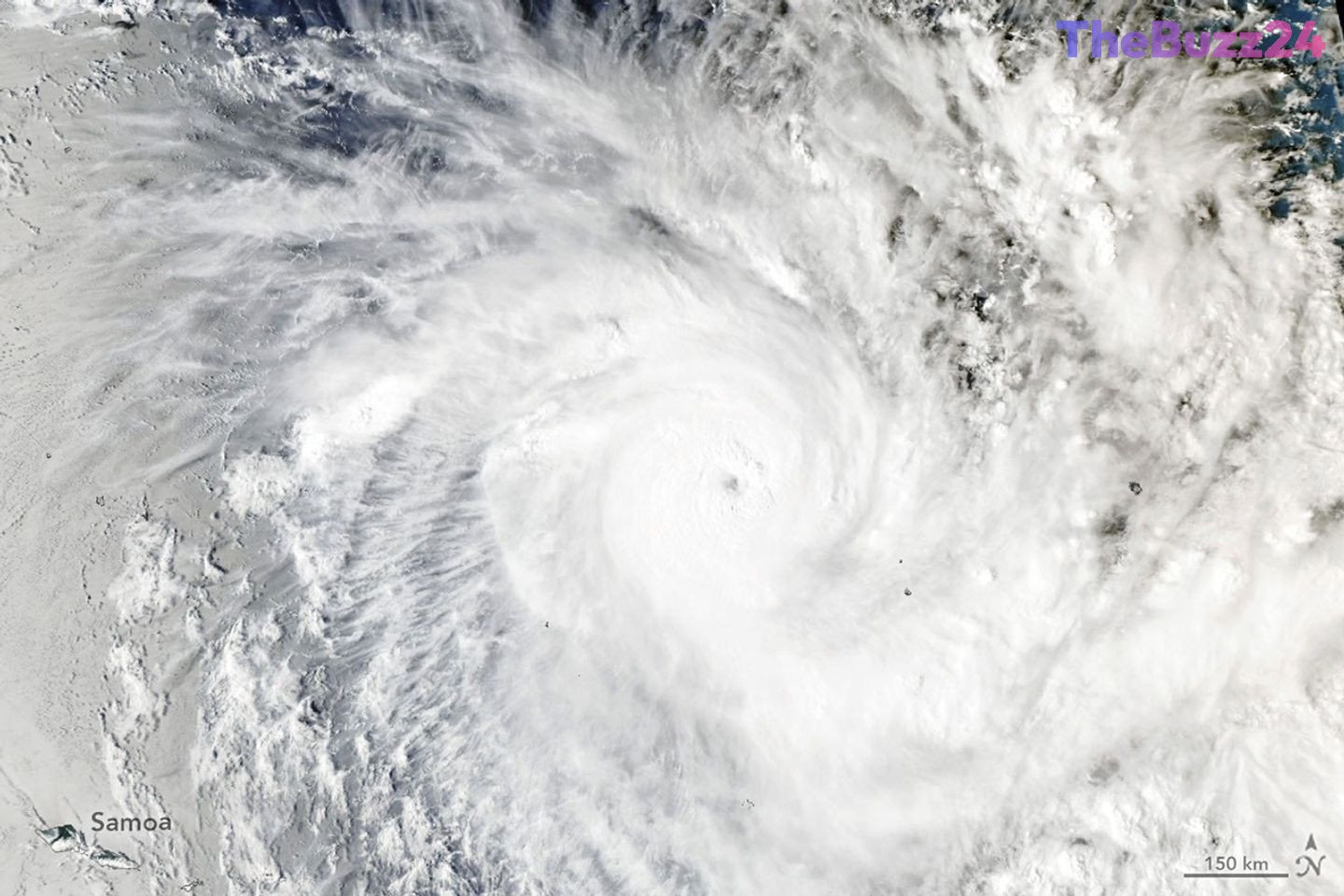
Historic Cyclone Xavier Strikes Southwest Pacific as Strongest November Storm on Record
While the North Atlantic hurricane season quietly winds down, the Southwest Pacific has experienced a dramatic and sudden surge in severe weather. In mid-November 2026, meteorological authorities began tracking a slow-moving tropical disturbance situated northeast of Samoa and the Cook Islands. Fueled by unusually warm ocean temperatures and favorable atmospheric conditions, the system rapidly escalated into a historic storm, defying typical seasonal timelines and setting new records for late-spring cyclone activity in the region.
Named Tropical Cyclone Xavier, the system thrived in an environment boasting sea surface temperatures of 29 degrees Celsius (84 degrees Fahrenheit) alongside minimal wind shear. Satellite data revealed the storm tracking along the edge of a massive mass of warm water stretching from South America to the central Pacific—a signature indicator of ongoing El Niño conditions. Forecasters noted that Xavier rapidly achieved peak wind speeds of 220 kilometers (140 miles) per hour, making it a high-end system equivalent to a Category 5 on regional scales or a Category 4 on the Saffir-Simpson scale.
Experts confirmed that Xavier shattered previous benchmarks, standing as the strongest November tropical cyclone east of the international date line on record. Its unusual eastern trajectory aligns with scientific research showing that El Niño phases frequently shift cyclone genesis zones eastward while simultaneously accelerating storm intensification rates. Although the system inflicted structural damage and power outages across parts of the northern Cook Islands, it eventually encountered dry air and unfavorable shear, causing it to weaken as it tracked westward and sparing Samoa from its full fury.
Looking ahead, meteorological agencies warn that Xavier is likely only the precursor to a more active season. Current seasonal outlooks project between 11 and 15 named tropical cyclones for the basin, with heightened risks persisting east of the international date line as the region moves toward its traditional peak activity period in February.
Key Takeaways
- Cyclone Xavier formed in the Southwest Pacific in mid-November 2026, rapidly intensifying into a historic storm.
- The system broke records as the strongest November tropical cyclone east of the international date line, fueled by El Niño conditions and 29-degree Celsius waters.
- While the storm caused localized power outages and property damage in the northern Cook Islands, it weakened before directly threatening Samoa.
Editor’s Analysis & Impact
The emergence of Cyclone Xavier underscores the profound impact that El Niño cycles exert on global weather patterns, particularly regarding the geographical shift and rapid intensification of tropical cyclones in the Southern Hemisphere. As ocean temperatures continue to rise globally, storm systems are increasingly exhibiting explosive growth outside of traditional peak windows. This event serves as a critical warning for emergency management frameworks across Pacific island nations, highlighting the urgent need for enhanced meteorological monitoring, resilient infrastructure, and adaptive community preparedness as the region heads deeper into a potentially volatile cyclone season.
Frequently Asked Questions
Q: What made Cyclone Xavier historically significant?
A: Cyclone Xavier was recorded as the strongest November tropical cyclone east of the international date line, reaching peak winds of 220 kilometers (140 miles) per hour.
Q: How did El Niño influence the formation of Cyclone Xavier?
A: El Niño provided warm sea surface temperatures of 29 degrees Celsius and shifted storm activity eastward, which fueled the system's rapid intensification.
Q: What areas were affected by the storm?
A: The storm caused power disruptions and damage primarily in the northern Cook Islands before weakening as it moved westward, sparing Samoa and American Samoa from severe impacts.
AI Disclosure: This article is based on verified data and official reports. Our Team and AI have cross-referenced every financial detail with primary sources to ensure total accuracy.
More from this Category