Historic Heat Dome Engulfs Western U.S., Shattering Decades-Old Temperature Records
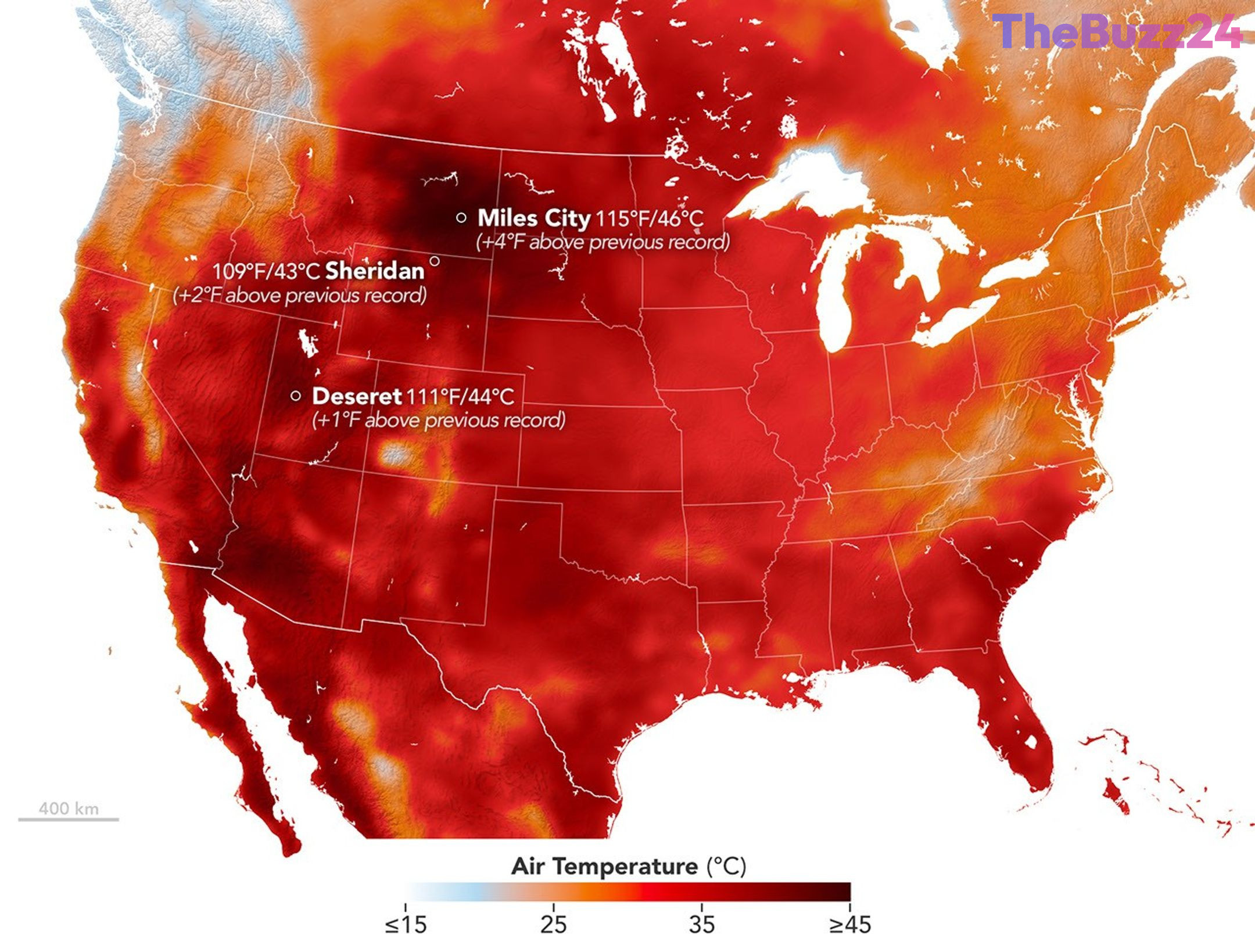
The Western United States experienced an unprecedented heat wave in mid-July 2026, as a powerful heat dome settled over the region, driving temperatures to historic highs. This atmospheric phenomenon, characterized by a strong ridge of high pressure trapping hot air near the surface and suppressing cloud formation and precipitation, led to record-breaking heat across Montana, Utah, and Wyoming. The intense sunlight, unhindered by clouds, further exacerbated the soaring air temperatures, creating dangerous conditions.
Numerous weather stations across the affected states reported their highest temperatures since records began, some dating back to the late 19th and early 20th centuries. In Montana, preliminary analysis indicated that airport sensors in Billings and Miles City reached 111°F and 115°F, respectively, while Sheridan, Wyoming, hit 109°F. Miles City notably surpassed its previous record by a full 4°F. Utah also saw multiple all-time records fall, with Deseret reaching 111°F, Salt Lake City hitting 109°F (4°F above its prior record), and Randolph recording 100°F (a significant 6°F above its previous high). These temperature models, derived from combining satellite observations with predictions from the GEOS (Goddard Earth Observing System) model, painted a stark picture of the extreme conditions.
The severe heat carries significant public health implications, particularly for vulnerable populations such as the elderly, as it can worsen pre-existing conditions like heart, lung, and kidney disease. Data from the U.S. Centers for Disease Control and Prevention revealed a tenfold increase in heat-related emergency department visits across the Mountain states during this July heatwave. This event is not isolated; research from NASA’s Goddard Space Flight Center, utilizing the MERRA-2 (Modern-Era Retrospective analysis for Research and Applications-2) modeling system, indicates that summer heat waves in the U.S. have roughly doubled in frequency between 1980 and 2023, increasing from an average of two to four per month.
Forecasters anticipate the heat dome will continue its eastward trajectory in the coming days, potentially bringing triple-digit temperatures to parts of the Midwest, New England, and the Mid-Atlantic. The United States is not alone in facing such extreme weather, as similar heat waves are simultaneously affecting regions in Western Europe, Central Asia, and East Asia, underscoring a broader global trend of intensifying heat events.
Key Takeaways
- A powerful heat dome caused record-breaking temperatures across Montana, Utah, and Wyoming in mid-July 2026, with some cities shattering decades-old records.
- The extreme heat led to a tenfold spike in heat-related emergency department visits in Mountain states, highlighting significant public health risks.
- This event aligns with a broader trend of increasing heat wave frequency in the U.S., which has doubled since 1980, and similar heat waves are impacting other parts of the world.
Editor’s Analysis & Impact
The recent heat dome in the Western U.S. underscores the escalating challenges posed by extreme weather events. For industries like agriculture, prolonged heat can devastate crops and livestock, leading to supply chain disruptions and increased food prices. The energy sector faces immense pressure, with surging demand for cooling straining power grids and potentially leading to outages. The healthcare system, already burdened, must prepare for increased heat-related illnesses and emergency room visits.
Looking ahead, the increasing frequency and intensity of heat waves, as evidenced by scientific research, necessitate significant investment in resilient infrastructure, early warning systems, and public health campaigns. Businesses will need to adapt operations to protect workers and maintain productivity in extreme conditions. Broader implications include heightened awareness of climate change impacts, driving demand for sustainable solutions and policy changes to mitigate future risks and protect vulnerable communities.
Frequently Asked Questions
Q: What is a heat dome?
A: A heat dome is a meteorological phenomenon where a strong ridge of high pressure in the upper atmosphere traps hot air near the surface. This high-pressure system prevents clouds and precipitation from forming, allowing sunlight to further heat the ground and air, leading to prolonged periods of extreme temperatures.
Q: Which areas were most affected by this particular heat dome?
A: The heat dome primarily impacted the Western U.S., with Montana, Utah, and Wyoming experiencing the most severe conditions. Cities like Billings, Miles City, Sheridan, Deseret, Salt Lake City, and Randolph all recorded new all-time high temperatures.
Q: What are the health risks associated with extreme heat?
A: Extreme heat poses serious health risks, including heatstroke, heat exhaustion, and dehydration. It can also exacerbate existing health conditions such as heart, lung, and kidney disease, particularly among older adults and other vulnerable populations. Data showed a significant increase in heat-related emergency department visits during this event.
AI Disclosure: This article is based on verified data and official reports. Our Team and AI have cross-referenced every financial detail with primary sources to ensure total accuracy.
More from this Category