House Oversight Committee Probes Former JPMorgan Executive Over Epstein Ties
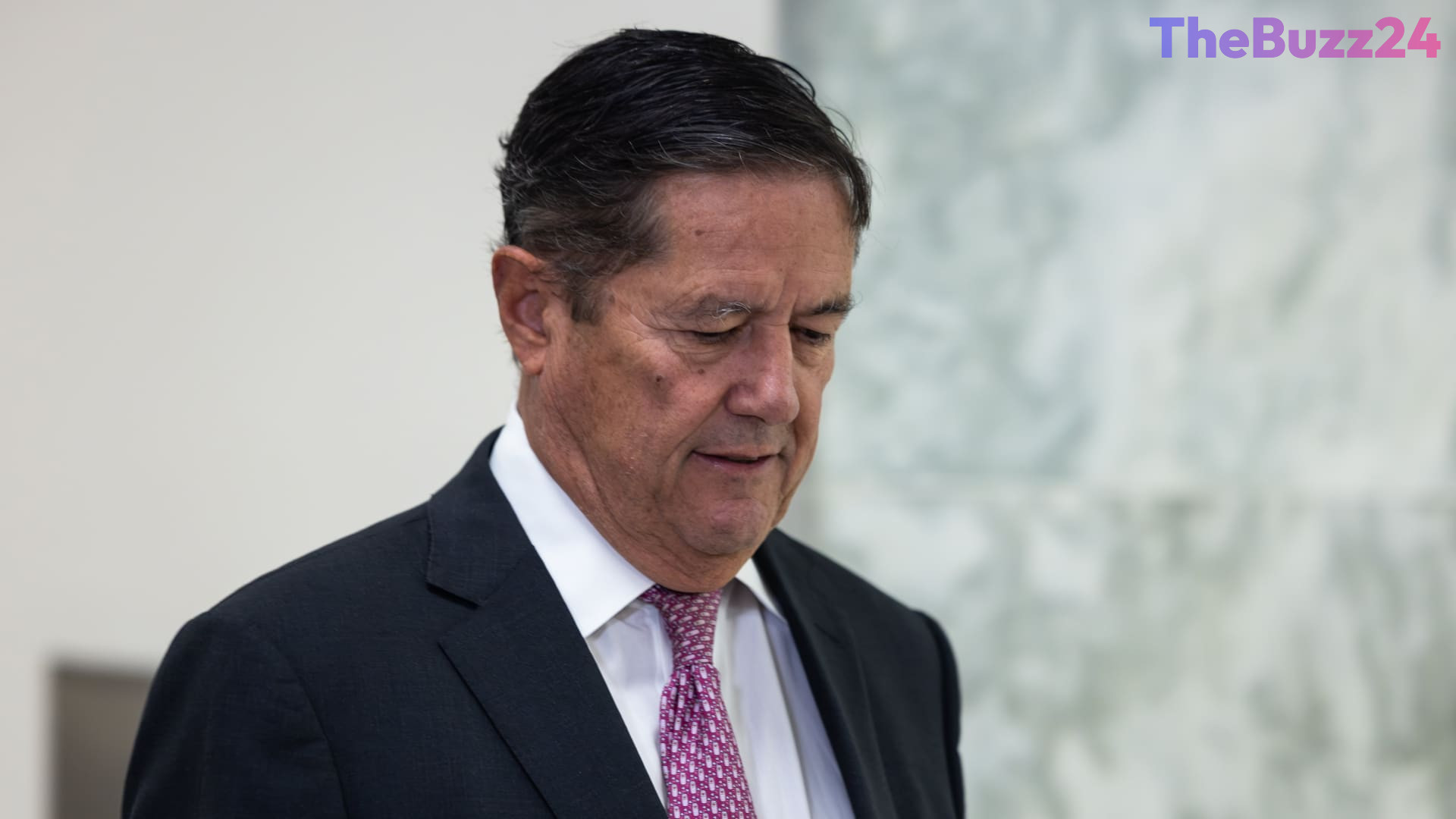
Former JPMorgan Chase investment banking chief Jes Staley faced intense scrutiny from the House Oversight Committee this week regarding his long-standing professional and personal relationship with the late convicted sex offender Jeffrey Epstein. During a closed-door session, lawmakers questioned Staley on his role in maintaining Epstein as a high-profile client despite internal warnings and red flags raised within the financial institution.
House Oversight Chair James Comer noted that evidence suggests Staley actively advocated for the bank to retain Epstein’s business, even as concerns about his conduct mounted. Records, including over 1,000 emails between the two men, highlight a deep personal connection, with Staley at one point describing their bond as “profound” and referring to Epstein as “family.” Lawmakers expressed significant concern that such institutional support provided the necessary infrastructure for Epstein to continue his criminal activities.
Beyond his tenure at JPMorgan, Staley’s association with Epstein has had lasting professional consequences. After moving on to serve as CEO of Barclays, Staley resigned in 2021 following a dispute with British regulators over his transparency regarding the relationship. He was subsequently barred from the U.K. financial industry for misleading authorities. While JPMorgan has since settled multiple lawsuits related to its handling of Epstein’s accounts for hundreds of millions of dollars, the congressional investigation continues to focus on the accountability of individual executives in facilitating access to the financial system for high-risk clients.
Key Takeaways
- Jes Staley is under investigation for allegedly shielding Jeffrey Epstein’s status as a JPMorgan client despite internal warnings.
- Evidence presented to the House Oversight Committee includes over 1,000 emails detailing a close personal relationship between Staley and Epstein.
- Staley previously resigned as CEO of Barclays and was banned from the U.K. financial industry for misleading regulators about his ties to Epstein.
Editor’s Analysis & Impact
The ongoing congressional investigation into Jes Staley underscores a broader shift in how financial institutions are being held accountable for their client vetting processes. By focusing on the individual actions of high-level executives, the House Oversight Committee is signaling that ‘institutional compliance’ is no longer a sufficient shield for personal lapses in judgment. This case serves as a cautionary tale for the banking sector regarding the reputational and legal risks associated with ‘private banking’ relationships that bypass standard risk management protocols. Moving forward, we can expect increased regulatory pressure on banks to provide greater transparency regarding their high-net-worth client portfolios and a potential tightening of internal governance standards to prevent similar associations from going unchecked in the future.
Frequently Asked Questions
Q: Why was Jes Staley questioned by the House Oversight Committee?
A: Staley was questioned regarding his role in keeping Jeffrey Epstein as a client at JPMorgan Chase despite internal red flags and his close personal relationship with the convicted sex offender.
Q: What were the professional consequences for Staley following his association with Epstein?
A: Staley resigned as CEO of Barclays in 2021 and was subsequently banned from the U.K. financial industry for misleading regulators about the nature of his relationship with Epstein.
AI Disclosure: This article is based on verified data and official reports. Our Team and AI have cross-referenced every financial detail with primary sources to ensure total accuracy.
More from this Category