Climate Challenges Force Strategic Adjustments for 2026 Global Football Tournament
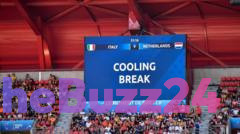
As the 2026 global football tournament draws closer, organizers are navigating a complex landscape of environmental risks across host nations in the United States, Mexico, and Canada. The massive scale of the event, which spans diverse climates, has forced officials to prioritize athlete safety in the face of extreme summer heat, volatile storm patterns, and potential air quality degradation from wildfires. To combat these threats, a new protocol has been established requiring mandatory three-minute cooling breaks during each half of every match.
Heat management is a central focus, particularly in southern venues where temperatures often climb toward 40C (104F). Data suggests that many locations frequently surpass the Wet Bulb Globe Temperature (WBGT) threshold of 28C, which is considered dangerous for elite physical exertion. In response, organizers have shifted many match kick-offs to later in the day to avoid peak sun exposure. Additionally, venues in cities like Dallas and Houston will utilize retractable roofs and advanced climate control systems to maintain a safer, more stable environment for players and fans alike.
Beyond temperature concerns, organizers are preparing for unpredictable weather events such as summer thunderstorms. Safety regulations now mandate the immediate suspension of play if lightning is detected within a 10-mile radius of a stadium. Air quality also remains a significant variable, with officials prepared to rely on real-time public health guidance should wildfire smoke impact match conditions. These environmental uncertainties pose potential risks for match scheduling, fan travel, and overall logistics, making the tournament’s ability to adapt to real-time conditions a defining factor for its success.
Key Takeaways
- Organizers have implemented mandatory three-minute cooling breaks to protect athletes from extreme heat stress.
- Match schedules have been adjusted to late afternoon or evening hours to avoid peak temperatures in southern host cities.
- Strict safety protocols are in place to suspend matches during lightning storms or poor air quality events.
Editor’s Analysis & Impact
The 2026 tournament highlights a growing trend where major global sporting events must integrate climate resilience into their core operational planning. As global temperatures rise, the intersection of elite athletics and environmental volatility is becoming a primary concern for event organizers. The reliance on climate-controlled stadiums and strict, data-driven safety thresholds reflects a shift toward a more cautious, health-first approach in professional sports. Looking forward, this tournament will likely serve as a blueprint for how large-scale international events manage environmental risks. The ability to maintain operational continuity while ensuring the safety of participants will be closely watched by stakeholders, potentially setting new industry standards for future global competitions held in increasingly unpredictable climates.
Frequently Asked Questions
Q: What is the new cooling break policy for the 2026 tournament?
A: Organizers have implemented a mandatory three-minute cooling break during each half of every match to help players manage heat stress.
Q: How will organizers handle lightning threats during matches?
A: Standard safety protocols dictate that play must be suspended immediately if lightning is detected within a 10-mile radius of the stadium.
AI Disclosure: This article is based on verified data and official reports. Our Team and AI have cross-referenced every financial detail with primary sources to ensure total accuracy.
More from this Category