AI Outperforms Physicians in Emergency Room Diagnostic Trials
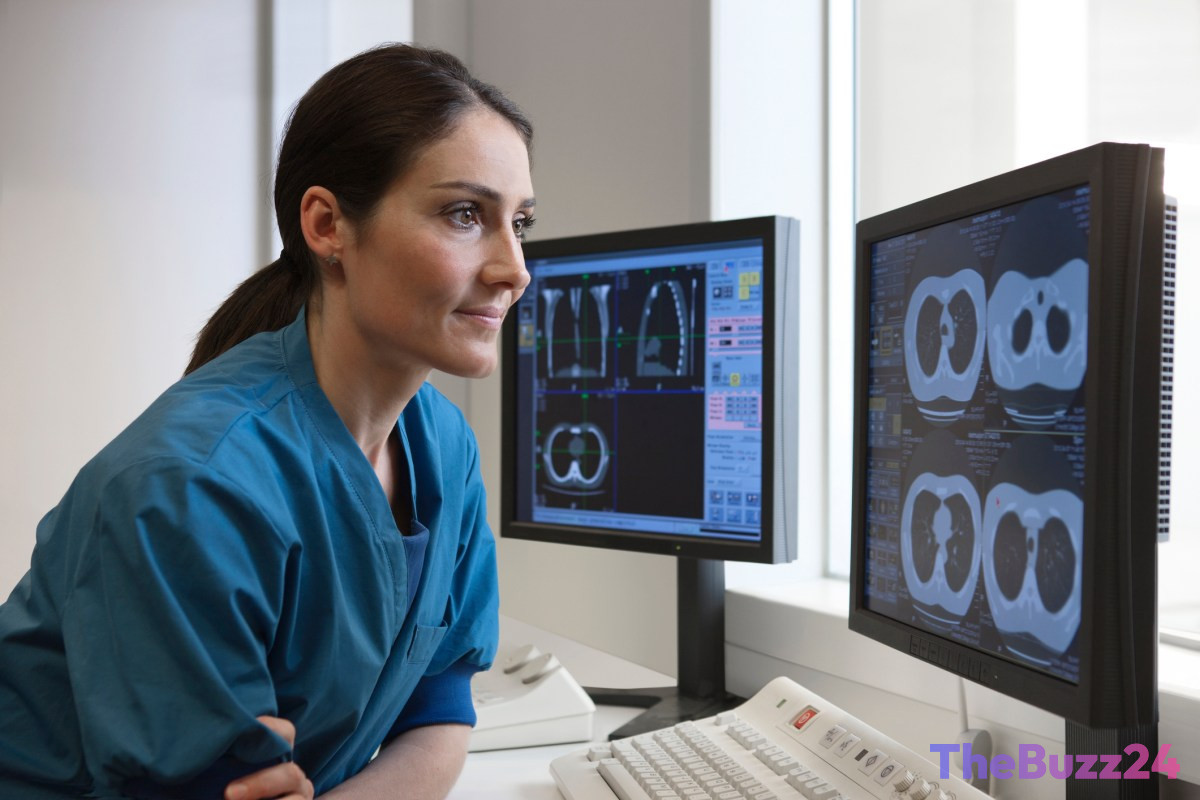
A groundbreaking study conducted by researchers at Harvard Medical School and Beth Israel Deaconess Medical Center has revealed that advanced large language models can match or exceed the diagnostic accuracy of human physicians in emergency room settings. The research, which evaluated OpenAI’s o1 and 4o models against internal medicine attending physicians, utilized real patient data from 76 emergency room cases to test clinical reasoning under pressure.
In the study, the AI models were provided with the same raw electronic medical record data available to human doctors at the time of triage. The results were striking: the o1 model achieved an accurate or near-accurate diagnosis in 67% of initial triage cases, significantly outperforming the two human physicians, who reached similar conclusions 55% and 50% of the time, respectively. These findings were particularly notable during the initial triage phase, where information is often limited and the need for rapid decision-making is critical.
Despite these promising results, the researchers cautioned that the technology is not yet ready to replace human judgment in life-or-death scenarios. Experts involved in the study emphasized the lack of a formal accountability framework for AI-driven medical decisions. Furthermore, some medical professionals have raised concerns regarding the study’s methodology, noting that comparing AI to internal medicine specialists rather than emergency room physicians may not fully capture the nuances of acute care. Critics argue that the primary goal of an ER doctor is to identify life-threatening conditions rather than simply reaching a final diagnosis, suggesting that further prospective trials are essential before these tools are integrated into real-world patient care.
Key Takeaways
- OpenAI's o1 model demonstrated higher diagnostic accuracy than human physicians in a controlled study of 76 emergency room cases.
- The AI's performance advantage was most significant during the initial triage phase, where diagnostic information is typically sparse.
- Researchers and medical experts warn that current AI lacks a formal accountability framework and requires further prospective testing before clinical implementation.
Editor’s Analysis & Impact
The integration of large language models into clinical workflows represents a paradigm shift in healthcare, potentially offering a ‘second opinion’ that can reduce diagnostic errors in high-pressure environments. However, the industry faces significant hurdles, primarily regarding liability and the ‘black box’ nature of AI reasoning. While the performance metrics are impressive, the medical community remains rightfully skeptical of replacing human intuition with algorithmic output. The future outlook suggests a hybrid model where AI acts as a decision-support tool rather than an autonomous practitioner. As regulatory bodies begin to grapple with AI in medicine, the focus will likely shift toward establishing rigorous validation standards and ensuring that human oversight remains the final authority in patient care, particularly in acute, life-critical situations.
Frequently Asked Questions
Q: Does this study prove that AI is ready to replace ER doctors?
A: No. The researchers and medical experts involved emphasized that there is currently no formal framework for AI accountability, and patients still require human guidance for life-or-death treatment decisions.
Q: What were the primary criticisms of the study's methodology?
A: Critics pointed out that the AI was compared to internal medicine physicians rather than emergency room specialists, and that the study focused on final diagnosis rather than the ER-specific priority of identifying immediate life-threatening conditions.
AI Disclosure: This article is based on verified data and official reports. Our Team and AI have cross-referenced every financial detail with primary sources to ensure total accuracy.
More from this Category