India’s Central Bank Weighs Surprise Rate Hike to Shield Rupee and Combat Inflation
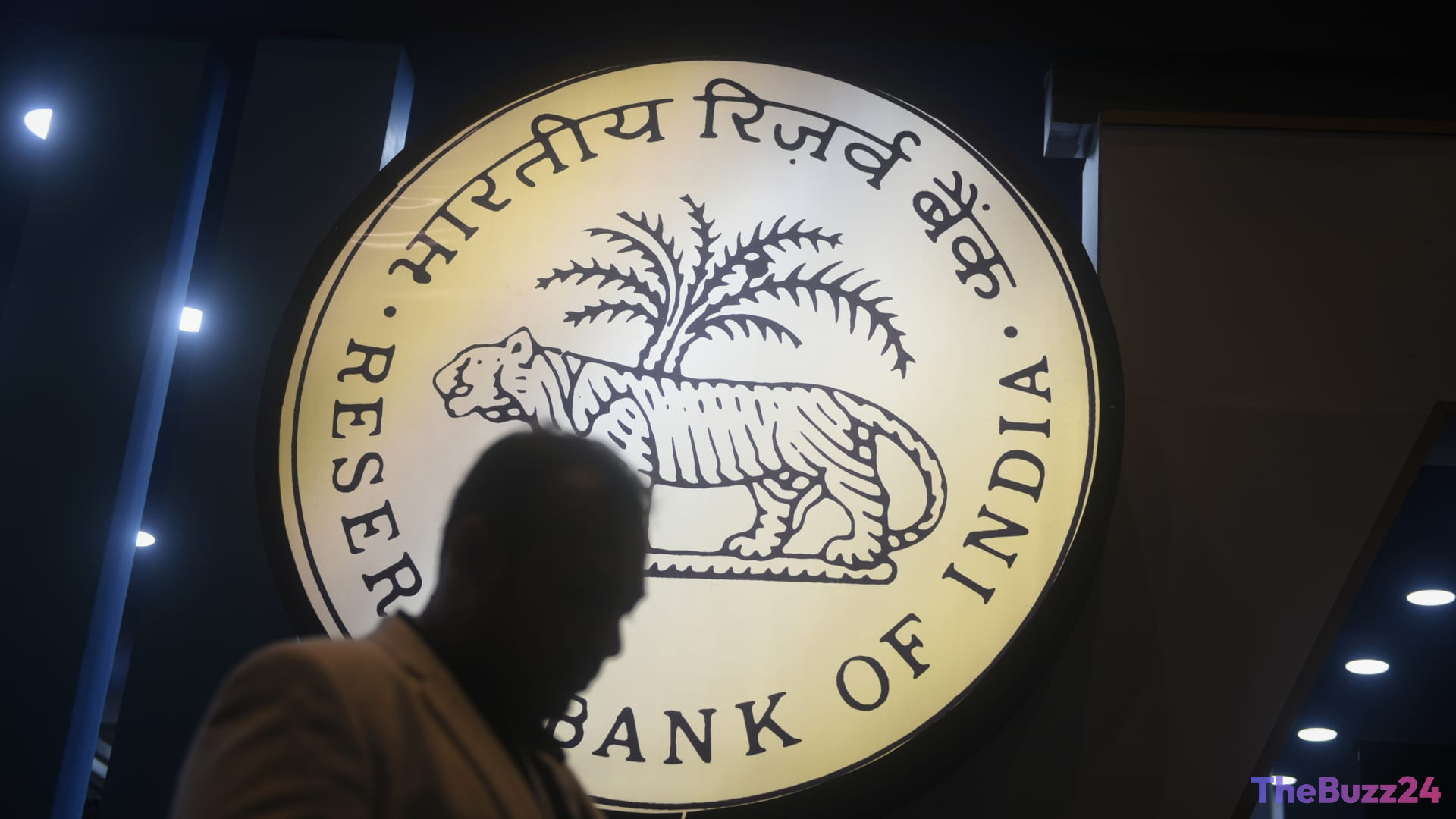
The Reserve Bank of India (RBI) is approaching its upcoming monetary policy meeting under significant pressure, as a dual threat of currency depreciation and rising inflation challenges the current interest rate status quo. While a segment of market analysts anticipates that the benchmark rate will remain steady at 5.25%, a growing number of experts suggest that the central bank may be forced to act sooner than expected. This potential shift follows aggressive moves by regional neighbors, including Indonesia and Sri Lanka, which recently implemented substantial rate hikes to stabilize their own local currencies against a strengthening U.S. dollar.
The Indian rupee has faced persistent volatility, recently sliding toward record lows due to a widening import bill and sustained capital outflows. To mitigate these pressures, the government has already introduced measures such as increased duties on gold to conserve foreign exchange, while the central bank has reportedly intervened in the forex markets. RBI Governor Sanjay Malhotra has signaled a commitment to maintaining orderly price discovery, suggesting that the bank is prepared to take bold steps if market conditions continue to deteriorate.
Beyond currency concerns, the specter of inflation looms large over the Indian economy. Although headline inflation has previously stayed within the mandated target, recent spikes in retail fuel prices and the looming threat of the El Niño weather pattern are complicating the outlook. Meteorologists have lowered rainfall projections for the upcoming monsoon season to just 90% of the long-period average, a development that could severely impact the agricultural sector, which accounts for a significant portion of the nation’s workforce and food supply.
Compounding these issues are potential shortages in fertilizers and rising energy costs, which are expected to trickle down to consumers in the coming months. With food inflation already showing signs of acceleration, the RBI faces a delicate balancing act. Policymakers must decide whether to prioritize economic growth by holding rates steady or to pivot toward a more hawkish stance to anchor inflation expectations and protect the domestic currency from further erosion.
Key Takeaways
- The Reserve Bank of India may defy market expectations by hiking interest rates to defend the rupee from record lows.
- Rising fuel costs and a projected 11-year low in monsoon rainfall due to El Niño are driving significant inflation concerns.
- India is following a regional trend where central banks in Indonesia and Sri Lanka have already raised rates to combat currency depreciation.
Editor’s Analysis & Impact
The Reserve Bank of India is currently navigating a classic ‘impossible trinity’ dilemma, attempting to manage capital flows and exchange rate stability while maintaining domestic monetary objectives. The rupee’s proximity to the psychologically significant 100-per-dollar mark has clearly rattled policymakers, shifting the focus from growth support to stability. What makes this period particularly precarious is the intersection of geopolitical energy pressures and climate-driven agricultural risks. If El Niño results in a failed monsoon, the subsequent spike in food inflation could be structural rather than transitory, forcing the RBI into a prolonged tightening cycle. Investors should prepare for increased volatility in Indian bond markets as the central bank transitions from a ‘wait-and-see’ approach to active intervention to prevent a full-scale currency crisis.
Frequently Asked Questions
Q: Why is the Indian rupee under so much pressure?
A: The rupee is struggling due to a combination of high import costs, particularly for energy, and significant capital outflows as investors seek higher yields in other global markets.
Q: How does the El Niño weather pattern affect India's interest rates?
A: El Niño often leads to reduced monsoon rainfall, which hurts crop yields and drives up food prices. Since food is a major component of India's inflation index, the central bank may raise interest rates to control the resulting price surges.
Q: What have other regional central banks done in response to currency drops?
A: Central banks in Indonesia and Sri Lanka have recently implemented interest rate hikes of 50 and 100 basis points, respectively, to stabilize their currencies and stay ahead of the inflation curve.
AI Disclosure: This article is based on verified data and official reports. Our Team and AI have cross-referenced every financial detail with primary sources to ensure total accuracy.
More from this Category