U.S. Tariff Proposals Cast Shadow Over European Markets Amid Rising Global Tensions
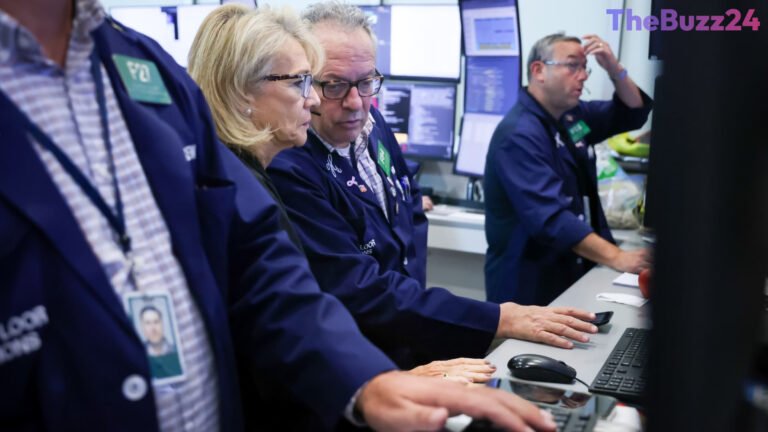
European equity markets are bracing for a challenging open, with futures data indicating a broadly negative start as investors digest significant U.S. trade proposals. The White House has put forward plans for extensive new tariffs targeting goods from 60 nations, a move that could reshape international trade dynamics.
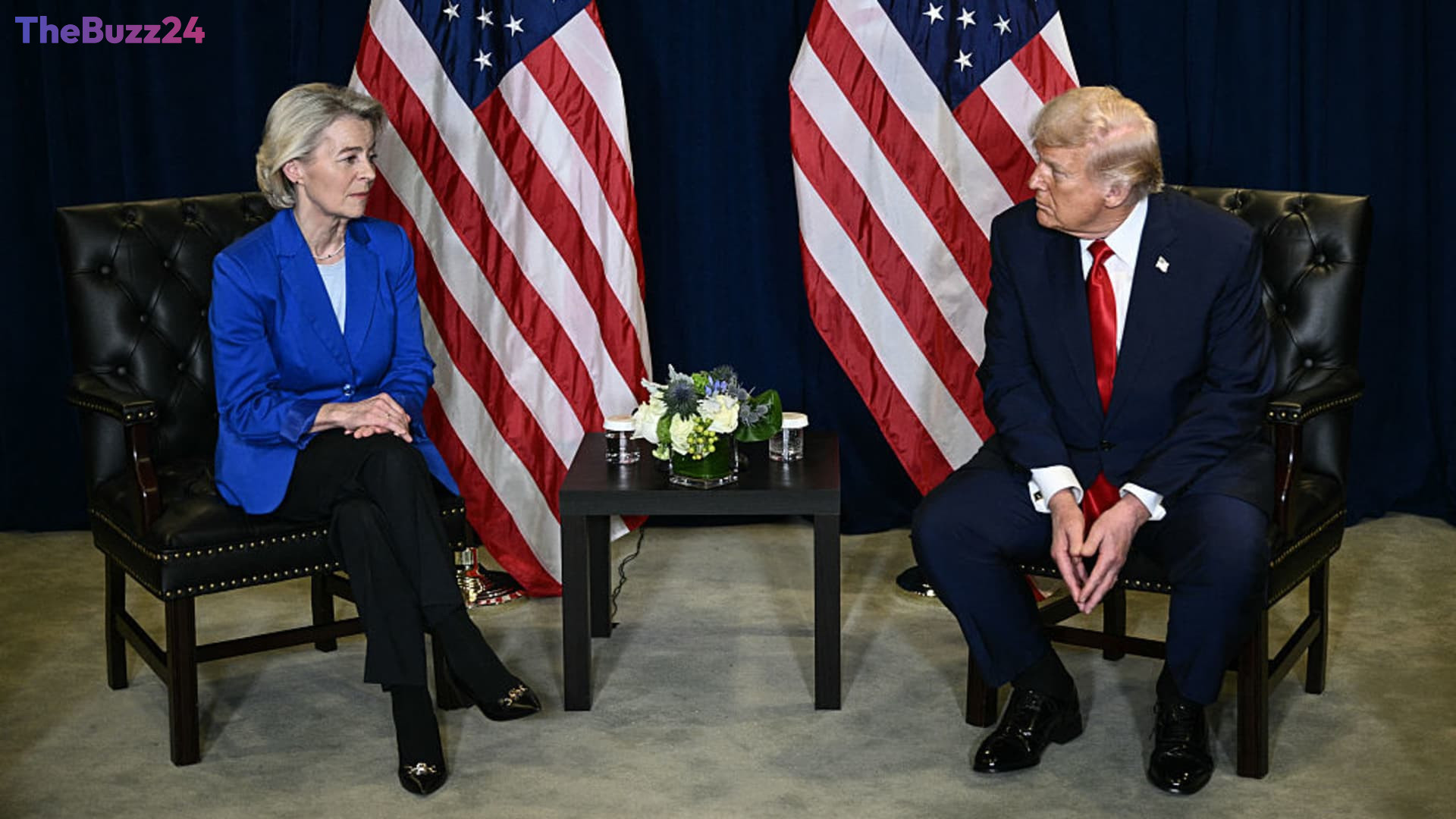
The Office of the U.S. Trade Representative has outlined potential additional tariffs of up to 12.5% on a wide array of trading partners. These measures are being considered due to the alleged failure of these countries to prohibit the importation of goods produced with forced labor. Among the prominent economies facing these proposed duties are China, the European Union, and Japan. U.S. Trade Representative Jamieson Greer emphasized the administration’s stance, stating that the inability of key trading partners to address forced labor imports creates an unfair competitive landscape for American workers globally.
Adding to the market’s apprehension, geopolitical tensions continue to simmer in the Middle East. Investors are closely monitoring developments in the U.S.-Iran conflict, which saw an escalation overnight. Washington has accused Tehran of launching new attacks despite an existing ceasefire, contributing to a climate of uncertainty.
In corporate developments, Spanish retail giant Inditex, owner of the popular Zara brand, released its fiscal first-quarter earnings. The company reported a robust performance, with sales climbing 5.8% from the previous year to reach 8.7 billion euros ($10.1 billion), aligning with analyst expectations. Net profit also saw a healthy increase of 5.4% year-on-year, hitting 1.38 billion euros, consistent with market forecasts. Meanwhile, economic data releases expected today include Spain’s PMI figures, Russia’s unemployment and business confidence reports, and Austria’s GDP data, all of which will offer further insights into regional economic health.
Key Takeaways
- The U.S. has proposed new tariffs of up to 12.5% on 60 trading partners, including the EU, China, and Japan, citing concerns over forced labor.
- European stock markets are anticipated to open negatively as investors react to the potential trade disruptions and ongoing U.S.-Iran tensions.
- Zara owner Inditex reported strong fiscal first-quarter earnings, with sales and net profit meeting analyst expectations.
Editor’s Analysis & Impact
The proposed U.S. tariffs introduce a significant layer of uncertainty into global trade, potentially impacting supply chains and corporate profitability across multiple sectors. While aimed at addressing forced labor concerns, these measures risk escalating into broader trade disputes, particularly with major economies like the EU and China. This could lead to retaliatory actions, further dampening global economic growth prospects and increasing market volatility. The simultaneous monitoring of U.S.-Iran tensions underscores a fragile geopolitical landscape, where non-economic factors can quickly influence investor sentiment. Companies with international operations, especially those reliant on imports from targeted regions, will need to reassess their strategies and supply chain resilience. The focus on ethical sourcing is likely to intensify, pushing companies to enhance transparency in their production processes.
Frequently Asked Questions
Q: What are the U.S. tariff proposals primarily targeting?
A: The U.S. tariff proposals are primarily targeting 60 trading partners over their alleged failure to ban goods made with forced labor, with potential duties of up to 12.5%.
Q: Which major economies are among those targeted by the proposed U.S. tariffs?
A: Key economies in line to be targeted by these measures include China, the European Union, and Japan.
Q: How did European markets react to the news of the proposed tariffs?
A: European futures data indicated a broadly negative open for shares in the region, as investors weighed the implications of the U.S. proposals.
AI Disclosure: This article is based on verified data and official reports. Our Team and AI have cross-referenced every financial detail with primary sources to ensure total accuracy.
More from this Category