Inside NASA’s Secret Workshop: Where Engineering Concepts Become Flight-Ready Reality
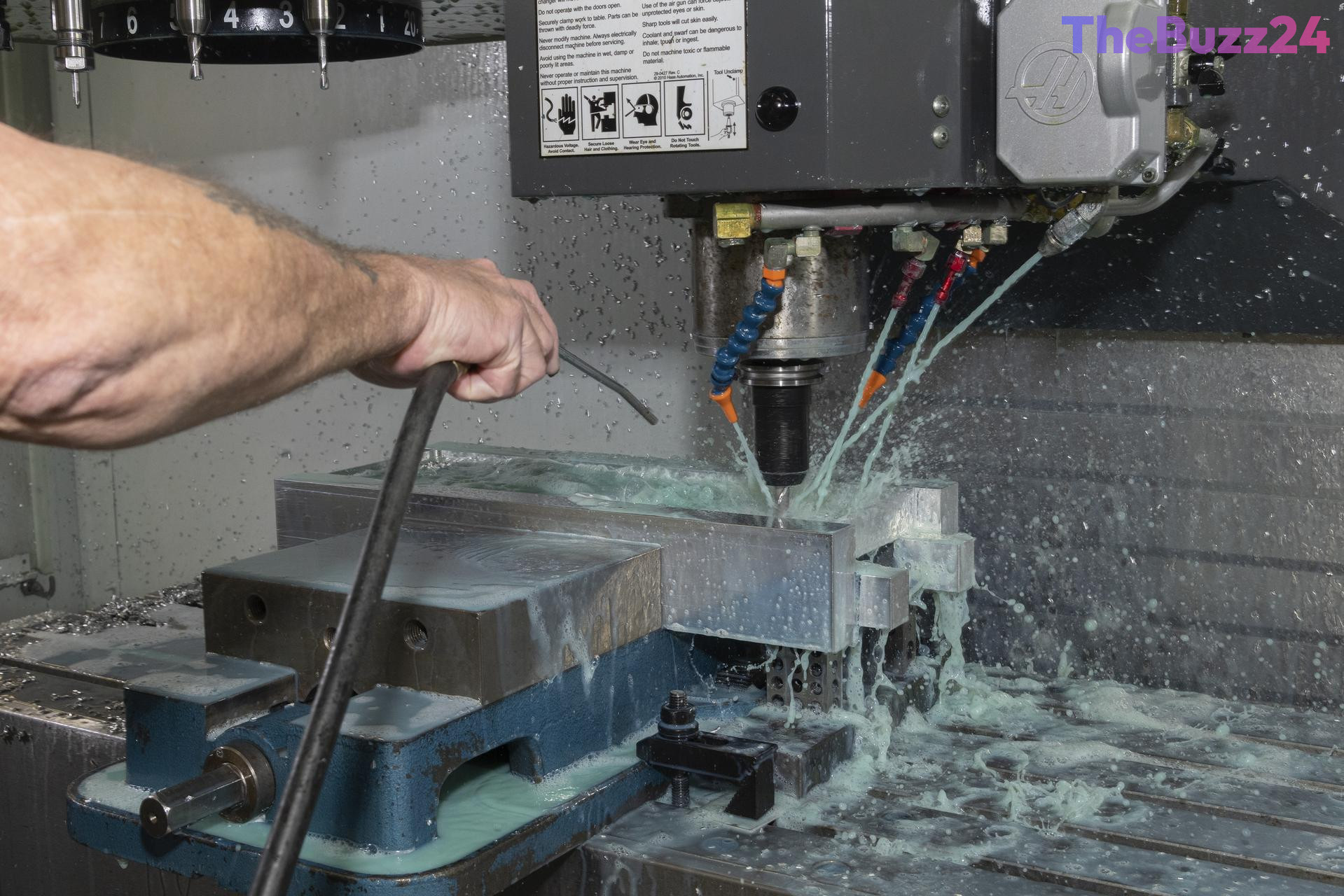
At NASA’s Armstrong Flight Research Center in California, the Experimental Fabrication Branch serves as the critical bridge between abstract engineering theories and tangible aerospace hardware. This specialized facility functions as a comprehensive manufacturing, modification, and repair hub, tasked with turning complex digital designs into mission-ready components for the agency’s diverse fleet of research aircraft. By housing precision machining, additive manufacturing, and composite fabrication under one roof, the branch ensures that every part meets the rigorous safety and performance standards required for flight.
The facility’s workflow is defined by a deep integration of engineering and fabrication. By utilizing advanced software such as SolidWorks and MasterCam, technicians collaborate with engineers from the earliest design phases, a strategy that significantly reduces development timelines and minimizes the risk of design-to-hardware mismatches. This hands-on approach allows the team to produce everything from rapid prototypes to flight-critical structures, such as the custom sensor pods used in autonomous flight research or lightweight aircraft floorboards designed for improved efficiency.
Beyond its primary role in supporting experimental aviation, the branch plays a vital part in fostering the next generation of aerospace professionals. Through community outreach and participation in robotics competitions, technicians provide students with real-world demonstrations of machining and welding, highlighting the essential role of technical craftsmanship in modern science. By maintaining this internal capability, the center ensures that it can rapidly adapt to the evolving needs of aerospace research, ultimately driving progress in aviation safety and sustainability.
Key Takeaways
- The Experimental Fabrication Branch at NASA Armstrong acts as an in-house, full-service manufacturing hub that accelerates the transition from digital design to flight-ready hardware.
- Early integration of fabrication teams into the engineering design process helps reduce development time and ensures higher precision for complex aerospace components.
- The facility supports both high-level research missions and educational outreach, helping to inspire students through hands-on demonstrations of advanced manufacturing techniques.
Editor’s Analysis & Impact
The Experimental Fabrication Branch represents a strategic operational model that prioritizes vertical integration over outsourcing. In an era where aerospace innovation is increasingly reliant on rapid prototyping and iterative testing, the ability to manufacture custom, flight-critical parts in-house provides a significant competitive advantage. By eliminating the friction often associated with third-party contractors, NASA ensures tighter quality control and faster response times for experimental projects. Looking forward, the continued adoption of additive manufacturing and advanced composite materials within such facilities will likely set the standard for future aviation development. This model of ‘design-build-fly’ continuity is essential for maintaining the agility required to tackle modern challenges in autonomous flight, sustainability, and high-performance aerospace engineering.
Frequently Asked Questions
Q: What kind of manufacturing capabilities does the Experimental Fabrication Branch possess?
A: The branch is equipped for precision machining, sheet-metal forming, aircraft tubing, welding, additive manufacturing, composite fabrication, and structural repairs.
Q: How does the branch's involvement in the design process benefit NASA's research?
A: By involving fabrication technicians from the early design stages, the agency can identify potential manufacturing issues early, shorten development timelines, and ensure that digital models are perfectly translated into functional, flight-safe hardware.
AI Disclosure: This article is based on verified data and official reports. Our Team and AI have cross-referenced every financial detail with primary sources to ensure total accuracy.
More from this Category