Iowa Democratic Primary: A Critical Test for Party Strategy and Senate Control
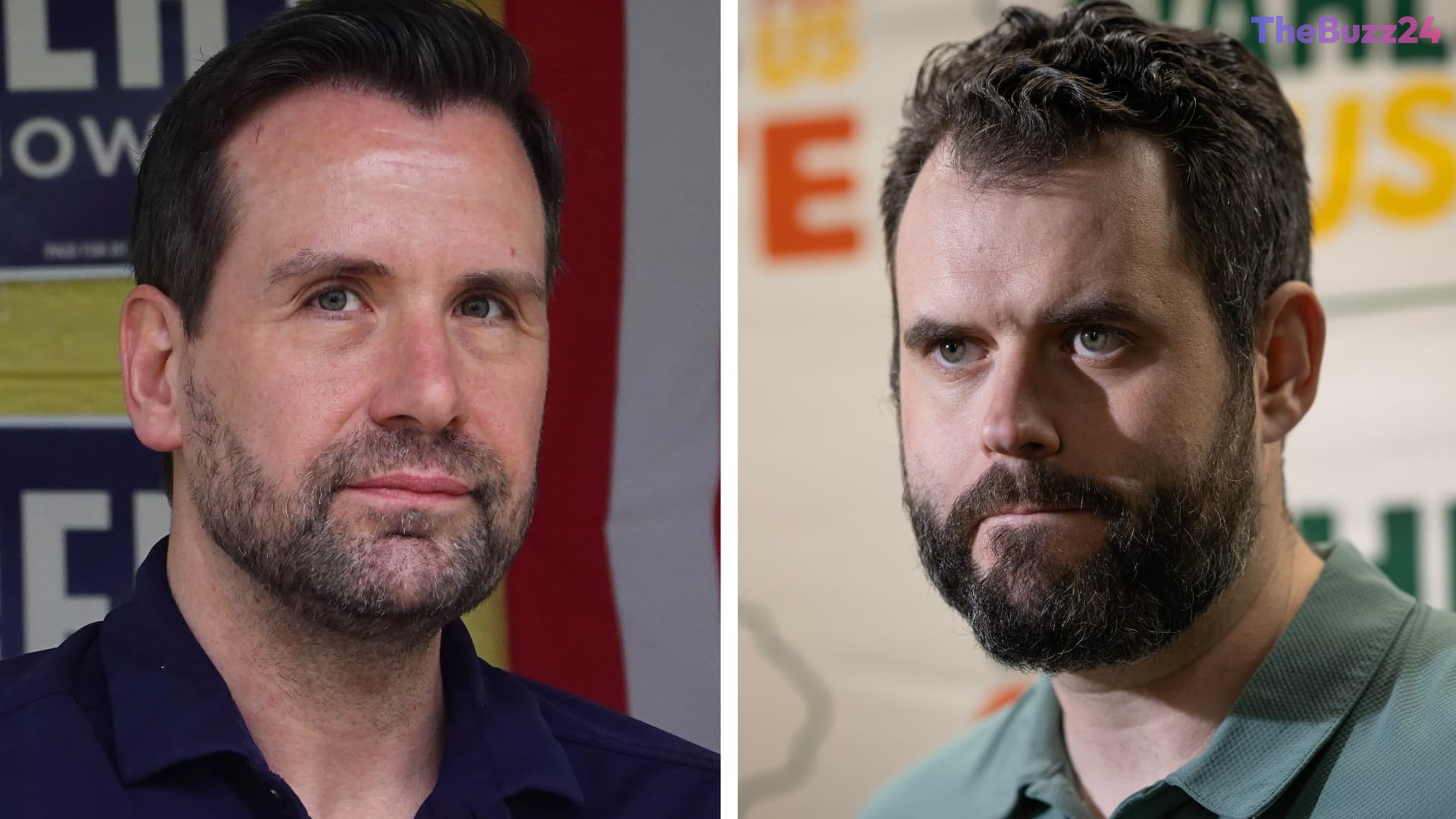
Iowa voters head to the polls this Tuesday for a high-stakes Democratic Senate primary that could signal the party’s broader strategy for the upcoming midterm elections. The contest features state Representative Josh Turek and state Senator Zach Wahls, both competing for the chance to challenge Republican Representative Ashley Hinson for a seat in the U.S. Senate. The outcome is viewed as a pivotal indicator of whether the Democratic Party will lean toward a more moderate, establishment-backed approach or a progressive platform to regain control of the chamber.
Josh Turek, often characterized as the establishment candidate, has secured endorsements from prominent figures, including former Senator Tom Harkin and former Transportation Secretary Pete Buttigieg. Turek emphasizes his track record of winning in Republican-leaning districts, positioning himself as the most electable candidate capable of bridging the gap with independent voters. In contrast, Zach Wahls has aligned himself with the progressive wing of the party, earning the support of Senator Elizabeth Warren. Wahls has notably campaigned on a platform that includes a pledge to oppose Senate Minority Leader Chuck Schumer’s leadership, framing his candidacy as an independent voice for Iowans.
The race takes place against a challenging political backdrop for Democrats in Iowa, a state where Republican voter registration significantly outnumbers Democrats. Despite the uphill battle, party strategists are closely monitoring the state as part of a larger effort to flip seats in regions that previously supported Donald Trump. Factors such as economic instability, declining tax revenues, and the impact of international conflicts on the agricultural sector have created a volatile environment that both parties are eager to capitalize on as they look toward the general election.
Beyond the Senate race, the primary includes contests for three of the state’s four congressional districts and a crowded Republican gubernatorial primary. As voters cast their ballots, the results will likely provide clarity on the ideological direction of the Democratic Party in the Midwest and its viability in competitive, conservative-leaning states.
Key Takeaways
- The Iowa Democratic Senate primary pits moderate Josh Turek against progressive Zach Wahls in a test of party electability.
- The winner will face Republican Representative Ashley Hinson in a state where Republicans hold a significant registration advantage.
- The primary highlights an internal party divide, with candidates debating whether to embrace establishment leadership or pursue a more populist, progressive path.
Editor’s Analysis & Impact
The Iowa Senate primary serves as a microcosm of the broader ideological struggle currently defining the Democratic Party. By pitting an establishment-backed moderate against a progressive challenger who explicitly rejects current party leadership, the race forces voters to choose between two distinct theories of victory: the ‘electability’ model, which prioritizes winning over swing voters in red-leaning states, and the ‘enthusiasm’ model, which seeks to mobilize the progressive base. The outcome will have significant implications for the party’s national strategy, particularly as they attempt to defend and expand their footprint in the Midwest. If the moderate candidate prevails, it may signal a return to traditional coalition-building; if the progressive candidate wins, it could embolden further challenges to the party’s status quo, potentially complicating efforts to maintain a unified front in the general election.
Frequently Asked Questions
Q: What is the main difference between the two Democratic candidates?
A: Josh Turek is viewed as the moderate, establishment-backed candidate who emphasizes his experience in winning Republican-leaning districts, while Zach Wahls is the progressive candidate who has pledged to oppose current Senate leadership.
Q: Why is the Iowa Senate race considered important for the national party?
A: Democrats need to flip several seats in states that previously voted for Donald Trump to regain control of the U.S. Senate, and Iowa is seen as a key battleground for testing their strategy in such regions.
AI Disclosure: This article is based on verified data and official reports. Our Team and AI have cross-referenced every financial detail with primary sources to ensure total accuracy.
More from this Category