Maritime Traffic Through Strait of Hormuz Plummets Amid New Iranian Control Measures
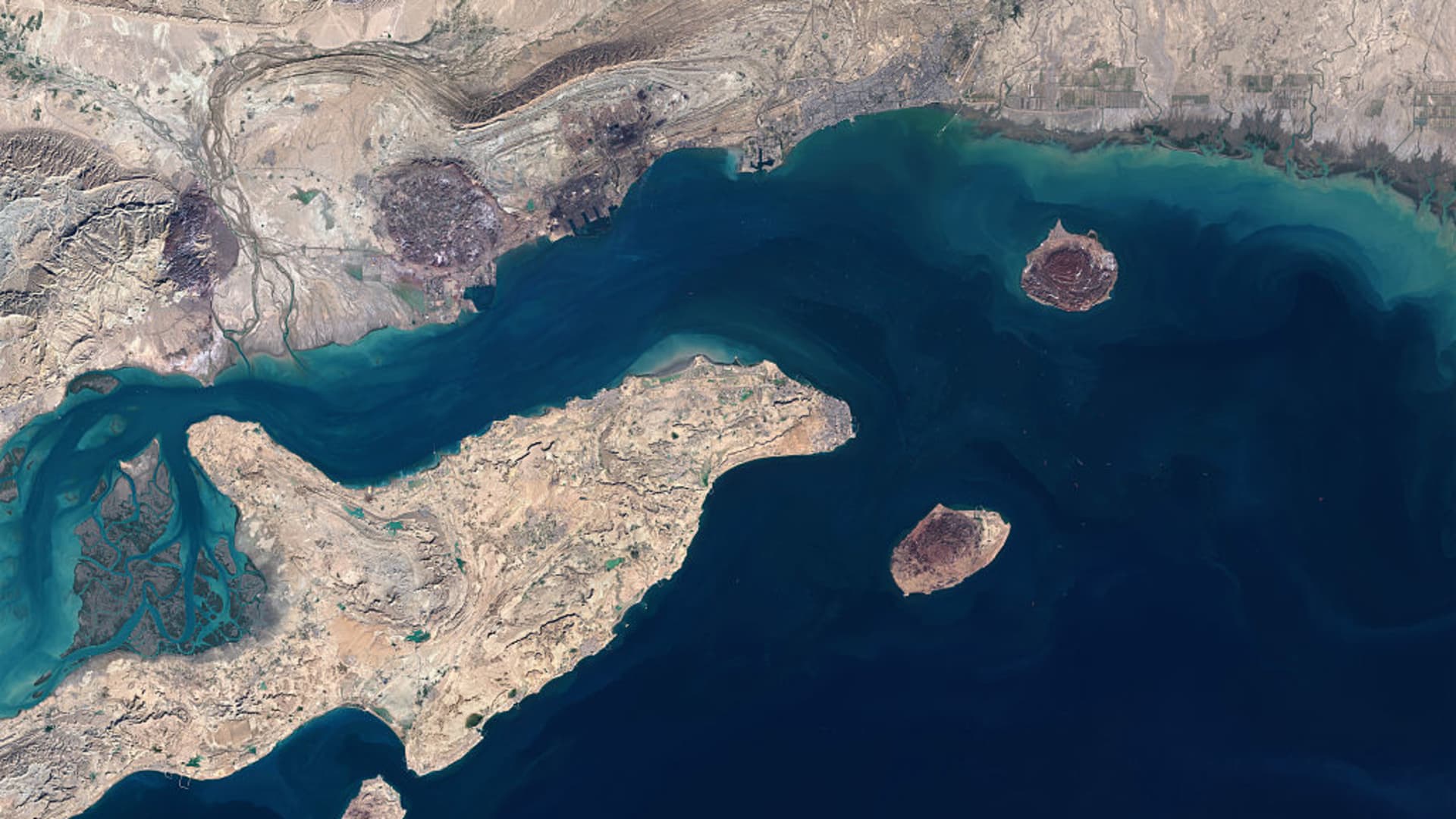
The Strait of Hormuz, a vital artery for global energy transit, has experienced a staggering 90% decline in standard maritime traffic following a sharp escalation in regional tensions that began on February 28. In response to the evolving security environment, the vast majority of commercial vessels have abandoned traditional shipping lanes, opting instead for a narrow, alternative channel situated north of Larak Island. This shift represents a fundamental change in how international shipping navigates one of the world’s most critical maritime chokepoints.
This disruption is reportedly linked to the implementation of a de facto ‘toll booth’ system by the Islamic Revolutionary Guard Corps (IRGC). Under this new operational framework, commercial vessels are allegedly facing unofficial levies or strict conditions for passage, effectively forcing them to utilize the Larak Island route to guarantee safe transit. The move signals a highly assertive approach by the IRGC to exert influence over the corridor, complicating logistics for global energy suppliers.
The imposition of these control measures has raised significant alarms regarding the stability of global energy markets, as a substantial portion of the world’s crude oil supply relies on the unimpeded flow through the Strait of Hormuz. While the Larak Island channel provides a temporary workaround, the situation underscores a growing vulnerability in international maritime security. The long-term consequences for international law and the reliability of energy supply chains remain a primary concern for global stakeholders as they navigate this increasingly volatile geopolitical landscape.
Key Takeaways
- Maritime traffic through the Strait of Hormuz has dropped by 90% since late February due to heightened regional tensions.
- The IRGC has reportedly established a de facto toll system, forcing vessels to use a specific channel north of Larak Island.
- The disruption poses a significant threat to global energy security and complicates international shipping logistics.
Editor’s Analysis & Impact
The situation in the Strait of Hormuz represents a critical inflection point for global energy markets. By effectively controlling the transit corridor, the IRGC is leveraging maritime geography as a geopolitical tool, which introduces a ‘risk premium’ that will likely manifest in higher insurance costs and volatile oil prices. The shift to the Larak Island channel is a reactive measure that does not address the underlying instability; rather, it highlights the fragility of global supply chains when faced with state-level interference in international waters. Moving forward, the international community must determine whether this ‘toll’ system constitutes a violation of freedom of navigation, a move that could trigger further diplomatic friction or necessitate a more robust naval presence in the region to ensure the continued flow of energy resources.
Frequently Asked Questions
Q: Why is the Strait of Hormuz considered a critical maritime chokepoint?
A: The Strait of Hormuz is a narrow waterway that serves as the only sea passage from the Persian Gulf to the open ocean, making it essential for the transit of a significant percentage of the world's daily crude oil and liquefied natural gas supply.
Q: What is the primary reason for the shift in shipping routes?
A: Vessels are rerouting to the Larak Island channel primarily to avoid the new, unofficial control measures and potential levies reportedly imposed by the IRGC, which have made traditional transit routes increasingly difficult or risky.
AI Disclosure: This article is based on verified data and official reports. Our Team and AI have cross-referenced every financial detail with primary sources to ensure total accuracy.
More from this Category