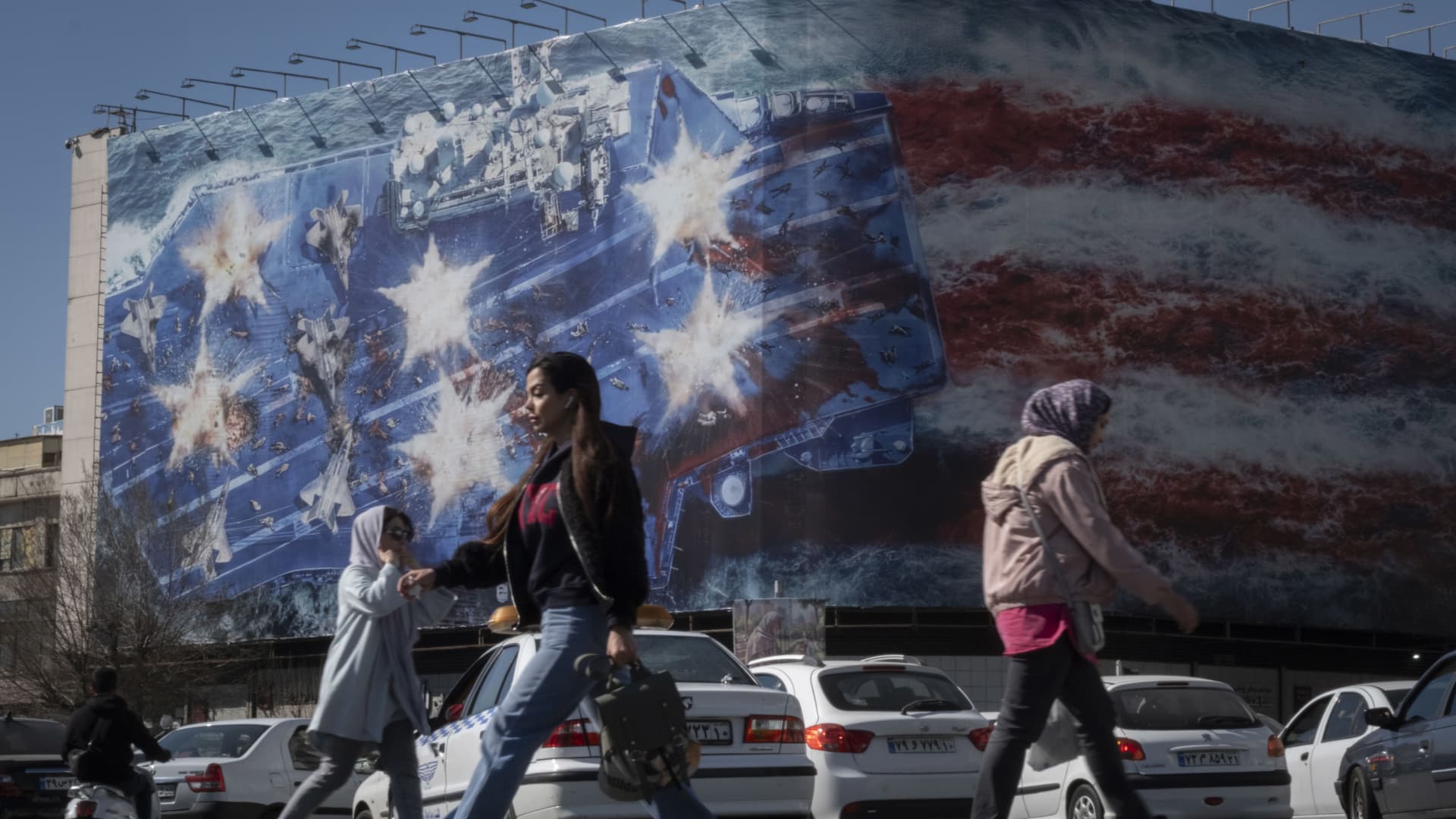
The Digital Battlefield: How Iran is Weaponizing Pop Culture and Memes Against Donald Trump
A sophisticated digital information war is currently unfolding, as Iranian state actors and officials deploy unconventional online strategies to influence global perceptions of former U.S. President Donald Trump. By blending AI-generated imagery, pop culture aesthetics, and targeted economic commentary, these campaigns aim to penetrate Western social media feeds with narratives that challenge U.S. foreign policy and domestic stability.
Central to this effort are visually distinct, AI-rendered videos that utilize a ‘Lego-style’ animation aesthetic. These clips often depict inflammatory scenarios, including fictionalized military confrontations and controversial associations between Trump and various political figures. By adopting a format typically associated with children’s toys, these videos are designed to lower the psychological defenses of viewers, making the propaganda more shareable and palatable to international audiences who might otherwise ignore traditional state-sponsored messaging.
Beyond visual media, Iranian officials are actively engaging in economic discourse to undermine the former president’s credibility. High-ranking figures have utilized platforms like X to suggest that Trump’s social media activity is a tool for market manipulation, specifically targeting stock prices and oil volatility. By framing U.S. foreign policy as a burden on the American taxpayer—highlighting rising gas prices and domestic economic strain—these narratives attempt to drive a wedge between the U.S. administration and its citizens.
This digital offensive represents a significant evolution in modern psychological warfare. While previous administrations, including Trump’s own, have utilized viral clips and aggressive rhetoric to communicate military strength, the current Iranian strategy marks a shift toward a more decentralized, meme-driven approach. By exploiting the speed and reach of social media, these actors are attempting to capitalize on existing political and economic vulnerabilities within the United States to project defiance and shape the global geopolitical narrative.
Key Takeaways
- Iranian state actors are using AI-generated 'Lego-style' videos to bypass audience skepticism and spread anti-Trump propaganda.
- The campaign includes economic messaging designed to link U.S. foreign policy decisions to domestic financial instability and rising gas prices.
- This shift toward meme-based, viral propaganda represents a new frontier in international information warfare, moving away from traditional diplomatic rhetoric.
Editor’s Analysis & Impact
The integration of pop culture aesthetics into state-sponsored propaganda signals a permanent shift in how geopolitical conflicts are fought in the digital age. By utilizing AI to create content that feels familiar and non-threatening, Iran is effectively ‘gamifying’ political discourse, which makes it increasingly difficult for social media platforms to moderate without appearing to suppress free speech. The broader implication is a degradation of the shared reality necessary for diplomatic resolution. As these narratives become more sophisticated, the line between organic political commentary and state-directed psychological operations will continue to blur, forcing both investors and the general public to navigate an environment where market-moving information is frequently weaponized for strategic gain. Future conflicts will likely be won or lost in the comment sections of social media as much as on the physical battlefield.
Frequently Asked Questions
Q: Why is Iran using Lego-style animation for its propaganda?
A: The use of a universally recognizable, toy-like aesthetic is a strategic choice intended to lower the viewer's psychological defenses, making the content more shareable and less likely to be immediately dismissed as hostile propaganda.
Q: How does this digital campaign impact the U.S. economy?
A: Iranian officials are attempting to link Trump's social media posts to market volatility, specifically in the oil and stock sectors, while simultaneously framing U.S. foreign policy as the direct cause of domestic inflation and rising gas prices.
AI Disclosure: This article is based on verified data and official reports. Our Team and AI have cross-referenced every financial detail with primary sources to ensure total accuracy.
More from this Category