Israel and Lebanon Agree to 10-Day Ceasefire Following Diplomatic Breakthrough
A major diplomatic milestone has been achieved as Israel and Lebanon have formally agreed to a 10-day ceasefire, marking a significant attempt to de-escalate tensions along their shared border. The truce, which is set to commence at 5 p.m. ET, follows intensive high-level negotiations and is being viewed as a critical window for regional stabilization. This pause in hostilities is intended to provide the necessary space for further diplomatic engagement and the pursuit of a more permanent resolution to the ongoing conflict.
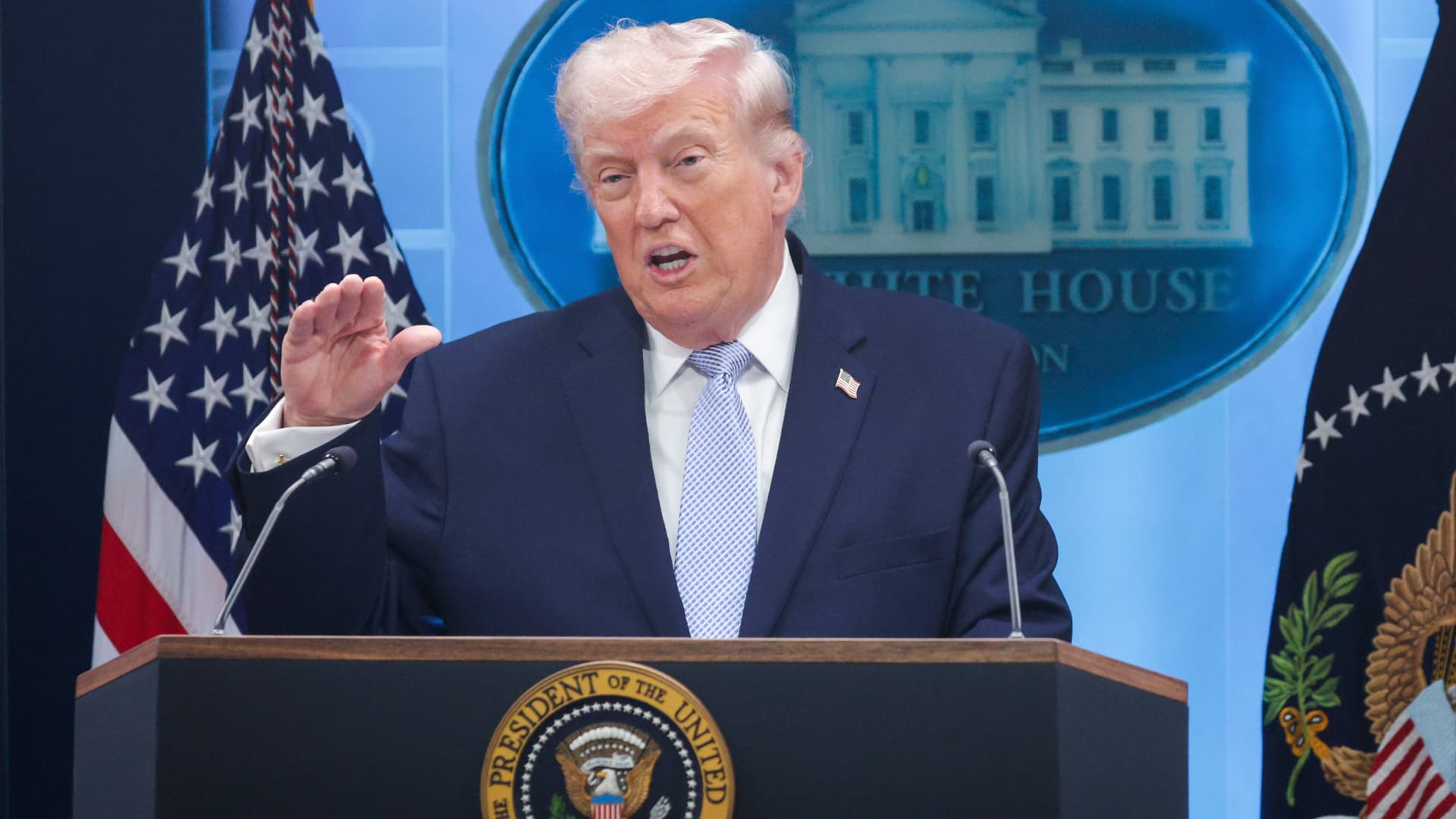
President Donald Trump confirmed the agreement after conducting productive discussions with Israeli Prime Minister Benjamin Netanyahu and Lebanese President Joseph Aoun. As a direct follow-up to this breakthrough, the U.S. administration has extended invitations to both leaders to visit the White House. These upcoming meetings are expected to be the first substantive bilateral talks between the two nations since 1983, focusing on long-term peace, the recognition of national sovereignty, and the mitigation of security threats posed by non-state armed groups.
In the wake of the announcement, both nations have expressed a commitment to regional stability while maintaining their respective security priorities. The U.S. government has pledged to play a central role in the transition, with Vice President JD Vance, Secretary of State Marco Rubio, and Joint Chiefs Chairman Dan Caine appointed to oversee the implementation of the ceasefire and the subsequent diplomatic process. While previous attempts at regional mediation have encountered significant obstacles, this agreement is being hailed as a potential turning point in the effort to secure a sustainable peace in the region.
Key Takeaways
- Israel and Lebanon have entered a 10-day ceasefire to facilitate diplomatic de-escalation.
- The U.S. will host the first bilateral talks between the two nations since 1983 at the White House.
- High-level U.S. officials, including the Vice President and Secretary of State, will oversee the transition toward a permanent peace agreement.
Editor’s Analysis & Impact
The establishment of a 10-day ceasefire between Israel and Lebanon represents a rare and significant shift in Middle Eastern geopolitics. By moving toward direct bilateral talks, the involved parties are signaling a departure from decades of indirect or stalled diplomacy. The involvement of the U.S. administration at the highest levels suggests that Washington is prioritizing a comprehensive regional framework over fragmented negotiations. If successful, this process could neutralize long-standing security threats and reshape the regional balance of power. However, the success of this initiative remains contingent on the ability of both governments to manage internal political pressures and the influence of non-state actors. The upcoming White House summit will be a litmus test for whether this temporary pause can truly evolve into a sustainable, long-term peace treaty that addresses the core grievances of both nations.
Frequently Asked Questions
Q: When does the 10-day ceasefire between Israel and Lebanon begin?
A: The ceasefire is scheduled to take effect at 5 p.m. ET.
Q: What is the primary goal of the upcoming White House meetings?
A: The goal is to foster long-term peace, ensure mutual recognition of sovereignty, and address security challenges posed by non-state armed groups.
AI Disclosure: This article is based on verified data and official reports. Our Team and AI have cross-referenced every financial detail with primary sources to ensure total accuracy.
More from this Category