Israel Strikes Beirut Suburb in Escalation Amid Ceasefire Violations
Israel has conducted an airstrike on the southern suburbs of Beirut, a region known as Dahieh and a stronghold for Hezbollah, marking the first such attack on the area since a ceasefire was agreed upon. The strike, which reportedly hit a gathering of Hezbollah commanders, has intensified concerns about the fragile peace process and the ongoing conflict.
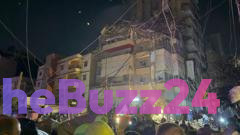
Images circulating online depicted significant flames and substantial damage to at least one structure in the targeted district. Israeli Prime Minister Benjamin Netanyahu confirmed his personal approval of the operation, identifying the target as a commander within Hezbollah’s elite Radwan Force. This commander was allegedly responsible for orchestrating attacks against Israeli communities and military personnel.
This incident represents a significant escalation, as it is the first strike to impact Dahieh since the announcement of a ceasefire deal between Israel and Lebanon, brokered with the involvement of US President Donald Trump on April 16. Despite the agreement, both sides have accused each other of numerous violations, with continued exchanges of fire.
While Israel’s military states its operations are aimed at dismantling Hezbollah’s infrastructure and neutralizing operatives, particularly in southern Lebanon to create a security buffer, the conflict has resulted in considerable casualties. Lebanon’s health ministry reports over 120 deaths across the country in the past week alone, including civilians. Hezbollah, in turn, has launched rockets and drones into northern Israel and against Israeli troops stationed in southern Lebanon. The group, which was not directly involved in the ceasefire negotiations, had previously indicated a willingness to abide by the truce if it was respected by Israel.
Key Takeaways
- Israel launched an airstrike on a Hezbollah stronghold in Beirut's southern suburbs, the first since a ceasefire was announced.
- The strike targeted a commander of Hezbollah's elite Radwan Force, with Israeli Prime Minister Netanyahu personally approving the operation.
- The incident raises concerns about the fragility of the ceasefire, as both Israel and Hezbollah have accused each other of violations, leading to continued conflict and casualties.
Editor’s Analysis & Impact
This strike represents a dangerous escalation in the ongoing conflict, directly challenging the recently established ceasefire. By targeting a high-value individual within Hezbollah’s elite forces in a densely populated area of Beirut, Israel signals a hardening stance and a willingness to risk further destabilization. The implications are significant: it could embolden hardliners on both sides, undermine diplomatic efforts, and potentially lead to a wider regional conflagration. The international community, particularly the US, faces renewed pressure to de-escalate the situation and enforce the terms of the ceasefire, while the humanitarian cost continues to mount.
Frequently Asked Questions
Q: What is Dahieh?
A: Dahieh is a southern suburb of Beirut, Lebanon, known as a significant stronghold and base for the militant group Hezbollah.
Q: What is the Radwan Force?
A: The Radwan Force is an elite special operations unit within Hezbollah, known for its offensive capabilities and involvement in sensitive operations.
Q: What is the current status of the ceasefire?
A: A ceasefire was announced on April 16, but both Israel and Hezbollah have accused each other of violations, and hostilities have continued, including this recent Israeli airstrike on Beirut.
AI Disclosure: This article is based on verified data and official reports. Our Team and AI have cross-referenced every financial detail with primary sources to ensure total accuracy.
More from this Category