Kevin Warsh Poised to Lead Federal Reserve Amid Economic Policy Shift
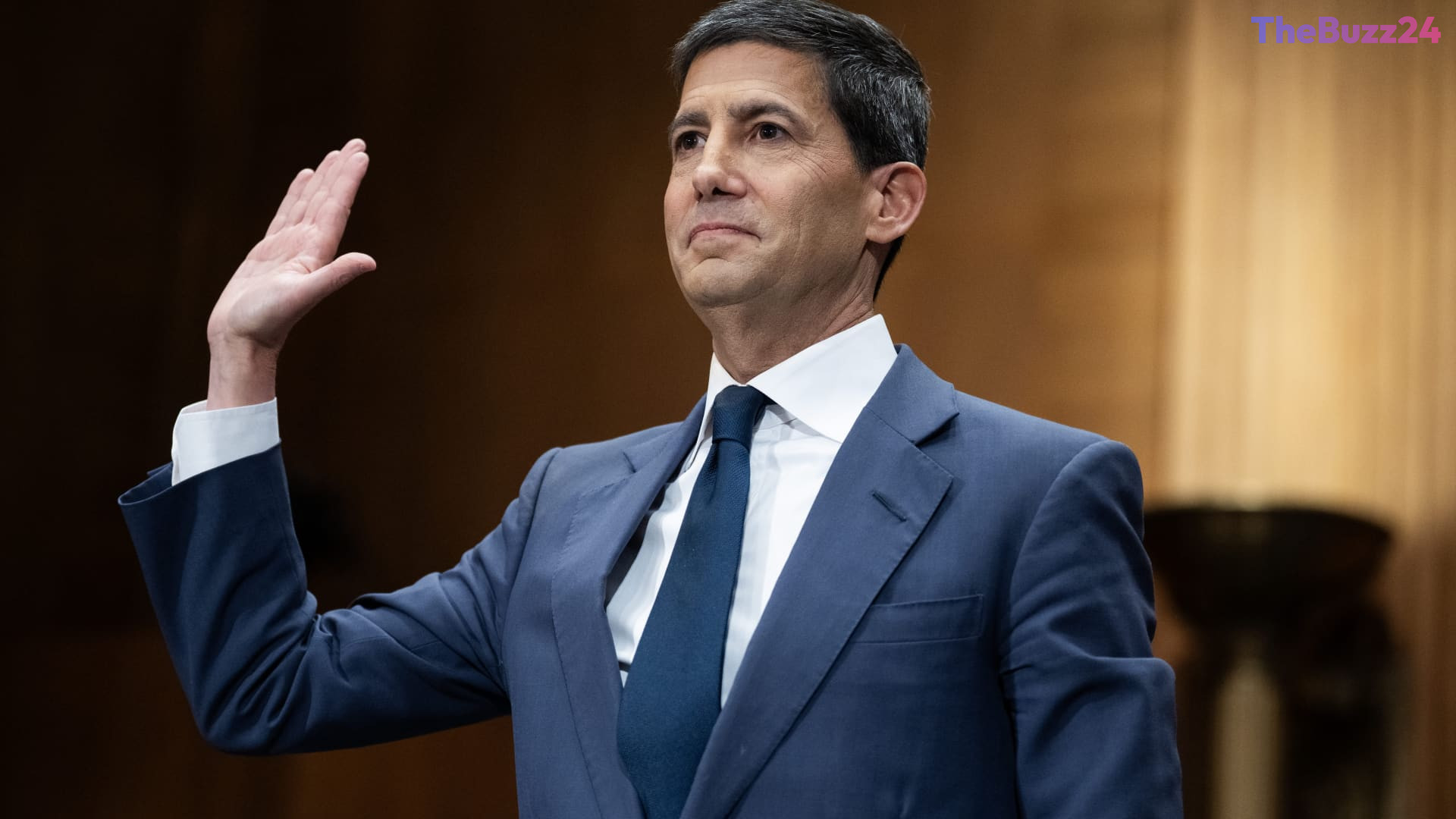
Kevin Warsh is set to be sworn in this Friday as the new chair of the Federal Reserve, signaling a major leadership transition for the U.S. central bank. His appointment concludes a lengthy selection process that began in mid-2025 and follows a Senate confirmation vote that highlighted deep partisan divisions. Warsh will officially take the reins from Jerome Powell, who has been serving in a pro-tempore capacity since his term expired.
At 56, Warsh becomes the 11th chair of the modern era and holds the distinction of being the wealthiest person to ever lead the institution. Given the scale of his personal investment portfolio, he is required to undergo a significant divestment process to meet the stringent ethical and regulatory standards now imposed on top-tier Federal Reserve officials.
Warsh assumes the role during a critical juncture for the American economy. The current administration has signaled a strong preference for a transition toward lower interest rates to stimulate growth. However, the path forward remains challenging; despite three rate cuts throughout 2025, the economy is still grappling with persistent inflation and a surprisingly resilient labor market. Balancing these factors while attempting to reach the elusive 2% inflation target—a goal that has remained out of reach for over five years—will be the primary test of Warsh’s tenure.
Key Takeaways
- Kevin Warsh will be sworn in as the new Federal Reserve chair this Friday, succeeding Jerome Powell.
- Warsh is the wealthiest individual to hold the position and must divest significant assets to comply with federal ethics regulations.
- The new leadership faces the difficult task of balancing administration pressure for lower interest rates against persistent inflation and a strong labor market.
Editor’s Analysis & Impact
The appointment of Kevin Warsh marks a potential pivot point for U.S. monetary policy. As the administration pushes for a more accommodative stance, the market will be closely watching how Warsh navigates the tension between political expectations and the Federal Reserve’s mandate for price stability. His background in finance suggests a pragmatic approach, yet the structural challenges of the current economic environment—specifically the stubbornness of inflation—limit his room for maneuver. If Warsh moves too quickly to lower rates, he risks reigniting inflationary pressures; if he remains too cautious, he may face friction with the executive branch. Investors should anticipate increased volatility as the market adjusts to his specific policy leanings and his ability to maintain the Fed’s institutional independence during this high-stakes transition.
Frequently Asked Questions
Q: Who is Kevin Warsh replacing at the Federal Reserve?
A: Kevin Warsh is replacing Jerome Powell, who has been serving in a pro-tempore capacity since his term expired.
Q: Why is Kevin Warsh required to divest his assets?
A: As the wealthiest individual to hold the position, Warsh must divest from various assets to comply with rigorous ethical standards and conflict-of-interest regulations mandated for Federal Reserve leadership.
AI Disclosure: This article is based on verified data and official reports. Our Team and AI have cross-referenced every financial detail with primary sources to ensure total accuracy.
More from this Category