Israel and Lebanon Envoys Convene in Washington for High-Stakes Ceasefire Talks
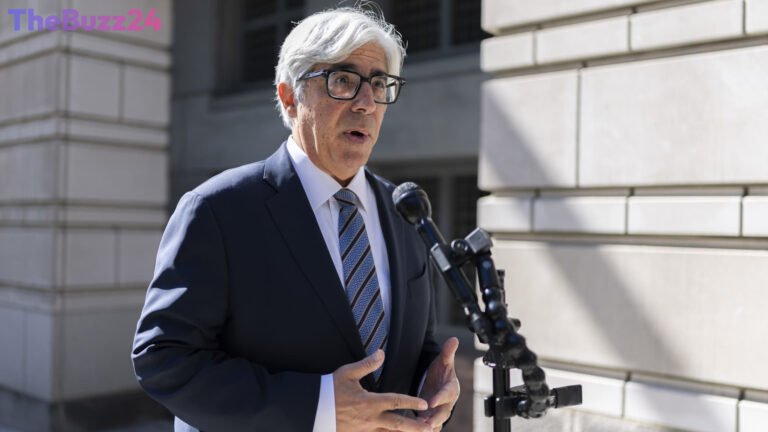
In a significant diplomatic development, the ambassadors of Israel and Lebanon to the United States are scheduled to meet at the U.S. State Department this Tuesday. This summit marks a rare shift toward direct engagement between the two nations, moving away from the traditional reliance on third-party intermediaries. The primary goal of the discussions is to establish a formal ceasefire agreement and create a sustainable framework for future diplomatic relations.
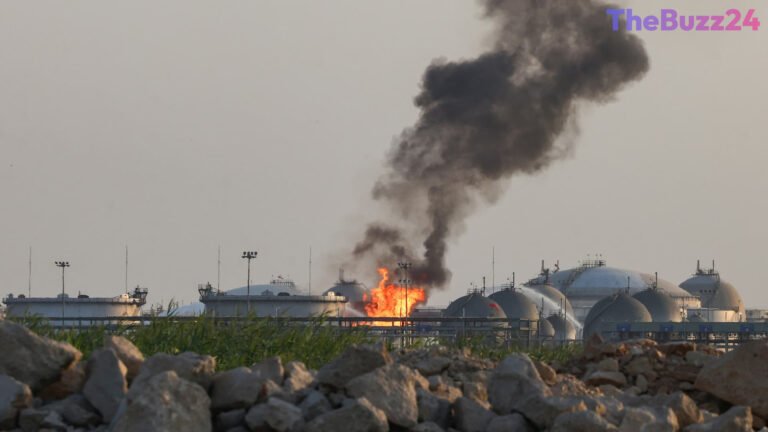
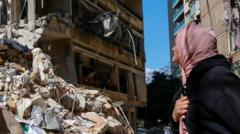
The meeting comes at a time of heightened military tension, characterized by persistent airstrikes and retaliatory rocket fire that have severely impacted both nations. The ongoing conflict has resulted in significant damage to infrastructure and critical assets, leaving the border region in a state of extreme volatility. Negotiators are tasked with finding a path to de-escalation despite the deep-seated hostilities that have defined the recent cycle of violence.
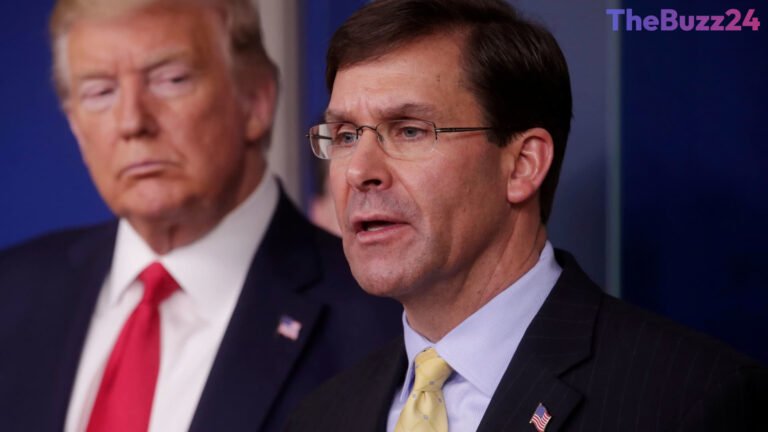
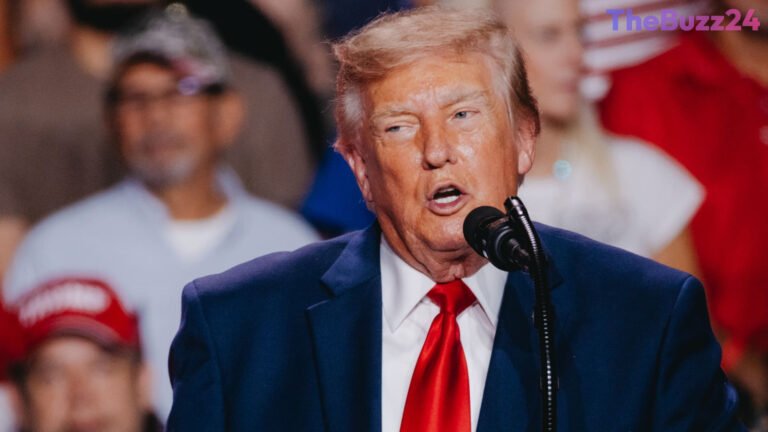
A major obstacle to these negotiations is the conflicting interpretation of the recent U.S.-Iran ceasefire brokered by President Donald Trump. While some regional actors contend that the truce should extend to the Lebanese front, officials in Washington and Israel maintain that the agreement is geographically and politically limited, excluding the current conflict in Lebanon. This disagreement remains a central point of friction that complicates the path to a lasting resolution.
Beyond the political maneuvering, the conflict has precipitated a dire humanitarian crisis. With more than one million people displaced within Lebanon, the region is facing acute shortages of food and essential supplies. Aid organizations have warned that active combat zones are severely restricting the delivery of humanitarian relief, further exacerbating the suffering of vulnerable populations as diplomats attempt to secure a breakthrough in Washington.
Key Takeaways
- Israeli and Lebanese ambassadors are holding direct talks in Washington to negotiate a formal ceasefire.
- Disputes over whether the U.S.-Iran ceasefire applies to the Lebanese conflict remain a primary barrier to progress.
- The ongoing military engagement has triggered a severe humanitarian crisis, with over one million people displaced in Lebanon.
Editor’s Analysis & Impact
The Washington summit marks a pivotal moment in Middle Eastern diplomacy, signaling a potential shift toward direct bilateral communication. However, the efficacy of these talks is heavily contingent on resolving the ambiguity surrounding the scope of the U.S.-Iran ceasefire. If negotiators fail to align on the fundamental parameters of the truce, the risk of further regional escalation remains dangerously high. The humanitarian situation adds an urgent layer of pressure, as the displacement of over a million people creates long-term instability that transcends the immediate military conflict. Ultimately, the success of this meeting will be measured by whether it can produce a durable cessation of hostilities or if it will merely serve as a brief interruption in a deeply entrenched regional power struggle.
Frequently Asked Questions
Q: Why is the meeting between the Israeli and Lebanese ambassadors considered significant?
A: It represents a rare shift toward direct communication between the two nations, which have historically relied on third-party intermediaries to manage their diplomatic and military tensions.
Q: What is the primary point of contention regarding the current ceasefire negotiations?
A: The main dispute involves whether the recent U.S.-Iran ceasefire, brokered by President Donald Trump, applies to the conflict in Lebanon. U.S. and Israeli officials maintain that the agreement does not cover the Lebanese front, while other regional stakeholders argue it should.
AI Disclosure: This article is based on verified data and official reports. Our Team and AI have cross-referenced every financial detail with primary sources to ensure total accuracy.
More from this Category