Lunar Shadows: Earth Microbes Could Endure at Moon’s South Pole, NASA Study Reveals
Scientists at NASA have discovered that certain microbes, commonly found on Earth and likely to travel with human astronauts, could potentially survive in the permanently shadowed regions near the Moon’s South Pole. This finding, published in Science Advances, raises significant questions about distinguishing between ancient lunar chemistry and potential biological contamination from future human missions.
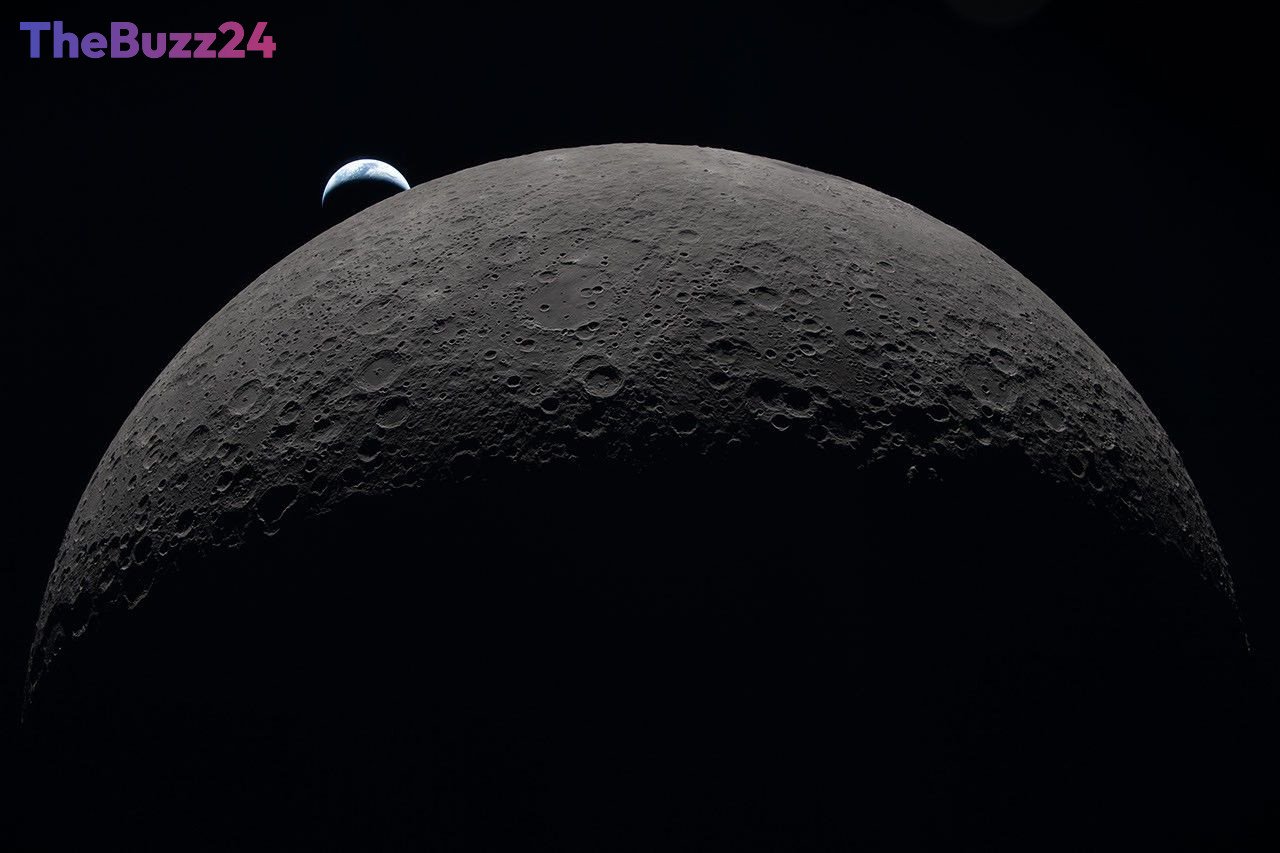
The research highlights the resilience of microbes like the fungus Aspergillus niger and bacteria such as Bacillus subtilis and Staphylococcus aureus, which are frequently found on human skin and in spacecraft environments. These organisms, even those not typically classified as ‘extremophiles,’ demonstrated a surprising ability to endure simulated lunar conditions, including extreme cold and radiation, within shaded areas. This survival capability is attributed to the unique lighting conditions at the lunar poles, where elevated terrain casts long shadows, creating pockets of persistent cold and shielding from harsh solar radiation.
This discovery has critical implications for future lunar exploration, particularly for the Artemis program and potential missions to Mars. Understanding the baseline microbial presence is crucial before humans establish a more permanent presence. Scientists emphasize the need to characterize lunar environments thoroughly to avoid misinterpreting Earth-based microbial contamination as indigenous lunar life or ancient chemical signatures. The Moon’s South Pole, with its potential for water ice and its unique illumination patterns, is a prime target for exploration, making the study of microbial persistence there a vital step in ensuring the integrity of scientific investigations.
While the study indicates that these microbes can survive in a dormant state, it does not suggest that the Moon possesses the necessary conditions, such as liquid water and a substantial atmosphere, to support their growth and reproduction. Nevertheless, the potential for microbial survival underscores the importance of stringent contamination control protocols and the development of advanced detection methods to differentiate between extraterrestrial and terrestrial biological material.
Key Takeaways
- Earth microbes, including common bacteria and fungi, may survive in permanently shadowed regions of the Moon's South Pole.
- The survival of these microbes could complicate the search for ancient lunar chemistry and potential signs of extraterrestrial life.
- Understanding microbial persistence is crucial for future human missions to the Moon and Mars to ensure scientific data integrity.
Editor’s Analysis & Impact
This NASA study presents a compelling challenge for the future of space exploration, particularly concerning crewed missions. The potential for Earth microbes to survive on the Moon, even in dormant states, directly impacts the scientific validity of lunar research. It necessitates a significant recalibration of contamination control protocols and analytical techniques. For industries involved in space technology, life support systems, and scientific instrumentation, this underscores the need for enhanced sterilization methods and robust detection systems capable of differentiating between terrestrial and potential extraterrestrial biological signatures. The findings also highlight the Moon as a unique natural laboratory for studying microbial resilience, potentially opening new avenues for astrobiological research and the development of countermeasures for long-duration spaceflight.
Frequently Asked Questions
Q: Can these microbes grow and reproduce on the Moon?
A: The study suggests that while these microbes can survive in a dormant state, the Moon currently lacks the essential ingredients like liquid water and a substantial atmosphere needed for growth and reproduction.
Q: Why is microbial contamination a concern for lunar exploration?
A: Microbial contamination is a concern because it could be mistaken for ancient lunar chemistry or even signs of indigenous lunar life, potentially compromising the scientific integrity of future discoveries.
Q: Which specific microbes were studied?
A: The study focused on resilient organisms commonly found in spaceflight environments and on human skin, including Aspergillus niger, Bacillus subtilis, Staphylococcus aureus, Deinococcus radiodurans, and several species of Fusarium.
AI Disclosure: This article is based on verified data and official reports. Our Team and AI have cross-referenced every financial detail with primary sources to ensure total accuracy.
More from this Category