Madagascar Declares Energy Emergency Amid Global Supply Chain Crisis
The government of Madagascar has officially declared a two-week nationwide state of energy emergency as the island nation faces a critical shortage of fuel. The decision, finalized during a recent cabinet meeting, comes as authorities express growing concern that the lack of energy resources could trigger widespread public unrest. The administration has been granted expanded powers to manage electricity consumption and ensure that essential public services remain operational during this period of instability.
This energy crisis is largely driven by the nation’s heavy reliance on imported oil from the Middle East, specifically shipments originating from Oman. Geopolitical tensions near the Strait of Hormuz have severely disrupted global shipping routes, leading to a significant bottleneck in fuel supplies. While international efforts to stabilize the region are ongoing, experts warn that the damage to supply chains may persist for months, keeping oil prices elevated and putting immense pressure on Madagascar’s infrastructure.
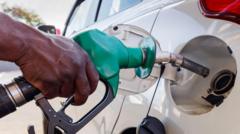
The impact of the shortage is already visible on the ground, where panic buying has led to long queues at petrol stations and the implementation of fuel rationing. The current situation mirrors previous periods of instability in the country, where power and water scarcities served as catalysts for civil protests. Beyond Madagascar, other African nations, including Zambia, Botswana, Senegal, and The Gambia, are also taking drastic fiscal and administrative measures to mitigate the ripple effects of these global energy disruptions.
Key Takeaways
- Madagascar has implemented a two-week state of energy emergency to manage severe fuel shortages and prevent potential civil unrest.
- The crisis is a direct result of geopolitical tensions in the Middle East, which have disrupted vital oil shipping routes through the Strait of Hormuz.
- Several other African nations are adopting emergency measures, such as tax suspensions and travel restrictions, to cope with the global energy supply chain instability.
Editor’s Analysis & Impact
The energy crisis in Madagascar highlights the extreme vulnerability of import-dependent developing economies to geopolitical shocks in the Middle East. Because the nation relies heavily on specific shipping lanes for its power grid, any disruption in the Strait of Hormuz creates an immediate, cascading effect on domestic stability. The broader implication is a shift toward energy protectionism; as seen with Zambia and Botswana, nations are being forced to sacrifice tax revenue or restrict public spending to maintain basic functionality. Moving forward, this crisis will likely accelerate discussions regarding energy diversification and the need for regional strategic reserves in Africa. If supply chain bottlenecks persist, we may see a sustained period of inflationary pressure across the continent, potentially leading to further political volatility in regions where energy costs are a primary driver of public sentiment.
Frequently Asked Questions
Q: Why did Madagascar declare a state of energy emergency?
A: The emergency was declared to manage severe fuel shortages caused by global supply chain disruptions, allowing the government to ration fuel and prioritize essential public services.
Q: How long are the fuel shortages expected to last?
A: While the emergency declaration is currently for two weeks, analysts warn that the damage to regional supply chains could take months or even years to fully recover, keeping prices high.
AI Disclosure: This article is based on verified data and official reports. Our Team and AI have cross-referenced every financial detail with primary sources to ensure total accuracy.
More from this Category