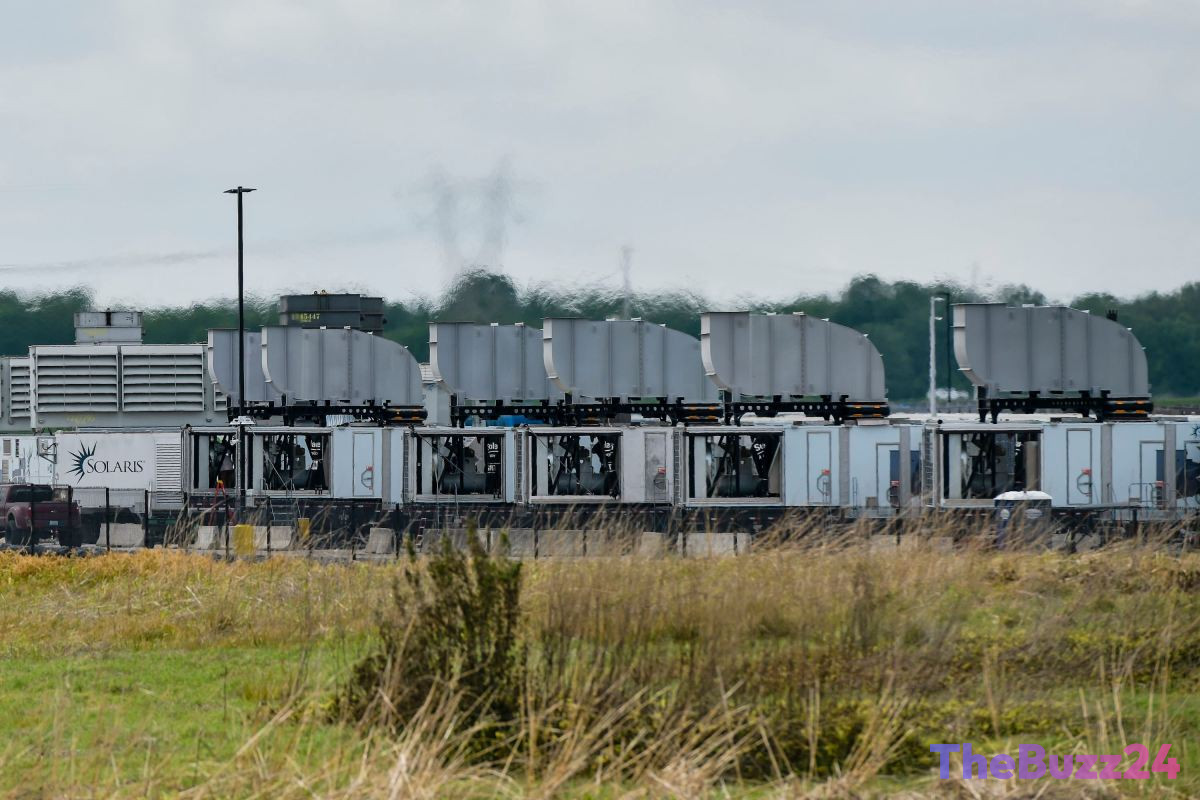
Maine Governor Blocks Statewide Data Center Construction Freeze
Maine Governor Janet Mills has officially vetoed a legislative proposal that aimed to implement the first statewide moratorium on new data center construction in the United States. The proposed bill, L.D. 307, would have effectively halted the development of new data facilities until November 2027. During this period, a 13-member council would have been tasked with conducting a comprehensive study on how such infrastructure impacts the state’s environmental health and electrical grid stability.
In her veto message, Governor Mills recognized the legitimate public concerns surrounding the high energy consumption of data centers and the potential for these facilities to increase electricity costs for local ratepayers. However, the Governor argued that the bill was overly broad. Specifically, she pointed to the lack of an exemption for a planned data center project in the Town of Jay, which has already secured significant local support. Mills maintained that a blanket moratorium would unfairly penalize community-backed economic development projects.
Supporters of the legislation, led by Representative Melanie Sachs, voiced strong disappointment regarding the veto. Proponents argue that the rapid expansion of digital infrastructure poses a genuine threat to the reliability of Maine’s power grid and long-term energy sustainability. As the national debate over the energy demands of the digital economy intensifies, this legislative standoff underscores the ongoing struggle to balance local economic growth with the broader challenges of environmental stewardship and energy management.
Key Takeaways
- Governor Janet Mills vetoed L.D. 307, which would have paused all new data center construction in Maine until 2027.
- The veto was largely driven by the bill's failure to exempt a specific, locally supported data center project in the Town of Jay.
- The legislation highlights a growing national tension between the need for digital infrastructure and the preservation of energy grid stability.
Editor’s Analysis & Impact
The veto of L.D. 307 signals a cautious approach by the Maine administration toward industrial regulation, prioritizing local economic autonomy over broad, preemptive environmental restrictions. This decision reflects a wider trend where states are grappling with the massive energy requirements of the AI and cloud computing boom. While the veto provides a short-term win for developers, it leaves the underlying issue of grid capacity unresolved. Moving forward, Maine—and other states facing similar pressures—will likely need to develop more nuanced regulatory frameworks that allow for digital growth while mandating energy efficiency or grid-hardening investments. The tension between local economic development and regional utility stability will remain a critical point of friction in state legislatures for the foreseeable future.
Frequently Asked Questions
Q: What was the primary goal of the proposed L.D. 307 bill?
A: The bill aimed to place a statewide moratorium on new data center construction until November 2027 to allow time for a study on their environmental and infrastructure impacts.
Q: Why did Governor Mills veto the legislation?
A: The Governor cited the bill's lack of an exemption for a specific, community-supported data center project in the Town of Jay as the primary reason for the veto.
AI Disclosure: This article is based on verified data and official reports. Our Team and AI have cross-referenced every financial detail with primary sources to ensure total accuracy.
More from this Category