Federal Court Sentences Hacker Behind High-Profile Government System Breaches
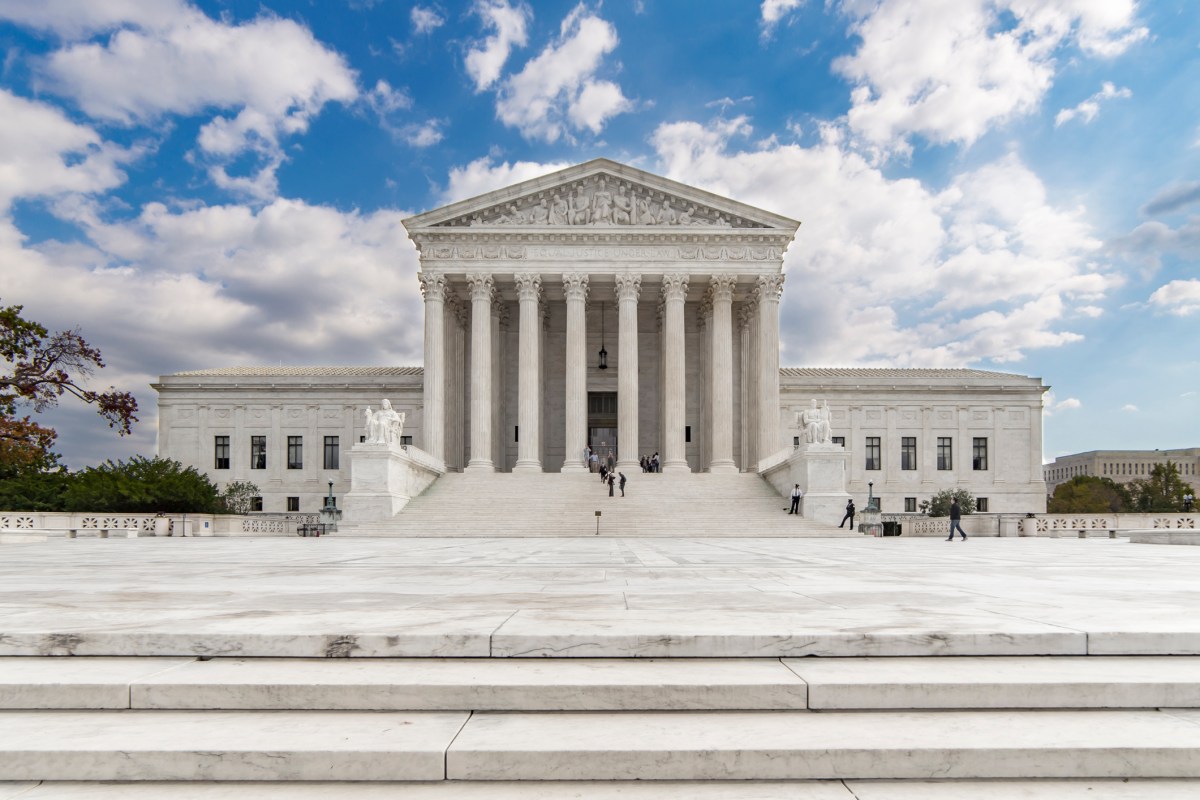
A federal court has officially sentenced Nicholas Moore to one year of probation following his admission of guilt regarding the unauthorized infiltration of several critical government digital networks. The legal proceedings concluded after Moore pleaded guilty to charges stemming from a series of cyberattacks that targeted sensitive infrastructure, including the electronic document filing system of the U.S. Supreme Court, the Department of Veterans Affairs, and AmeriCorps.
Investigators determined that Moore executed these breaches by utilizing stolen credentials to bypass security protocols. Once he successfully gained access to these protected environments, he proceeded to leak private information belonging to various individuals. Moore further drew attention to his illicit activities by documenting his exploits on an Instagram account specifically created to broadcast his unauthorized access to these federal systems.
Despite the severity of the breaches, which impacted agencies responsible for providing essential services to military veterans and volunteer organizations, the prosecution ultimately recommended a probationary sentence rather than incarceration. Moore faced a potential maximum penalty of one year in prison and $100,000 in restitution. During the sentencing hearing, he expressed regret for his actions, labeling the incidents as a lapse in judgment and pledging to adhere to the law in the future.
Key Takeaways
- Nicholas Moore received one year of probation for hacking into U.S. Supreme Court, VA, and AmeriCorps systems.
- The perpetrator used stolen credentials to gain unauthorized access and subsequently leaked sensitive personal data on social media.
- Despite the potential for prison time and heavy fines, federal prosecutors recommended a lenient sentence after the defendant expressed remorse.
Editor’s Analysis & Impact
The sentencing of Nicholas Moore highlights the persistent vulnerabilities within federal digital infrastructure, particularly regarding the reliance on credential-based security. While the probationary sentence may appear lenient given the sensitivity of the targeted agencies, it reflects a common prosecutorial approach when defendants cooperate and demonstrate remorse. However, the broader implications remain concerning; the ease with which an individual accessed systems as critical as the U.S. Supreme Court’s filing network underscores a systemic need for more robust multi-factor authentication and identity management protocols. As government agencies continue to digitize sensitive records, the threat of credential harvesting will likely remain a primary vector for cyberattacks. Moving forward, federal entities must prioritize zero-trust architectures to mitigate the impact of compromised credentials and prevent the public exposure of sensitive citizen data.
Frequently Asked Questions
Q: What government agencies were targeted in the hacks?
A: The breaches targeted the U.S. Supreme Court's electronic filing system, the Department of Veterans Affairs, and AmeriCorps.
Q: How did the perpetrator gain access to these secure systems?
A: Moore gained unauthorized access by leveraging stolen credentials belonging to a victim to bypass existing security measures.
AI Disclosure: This article is based on verified data and official reports. Our Team and AI have cross-referenced every financial detail with primary sources to ensure total accuracy.
More from this Category