Market Sentiment Shifts to ‘Greed’ as AI Giants Prepare for Massive Capital Influx
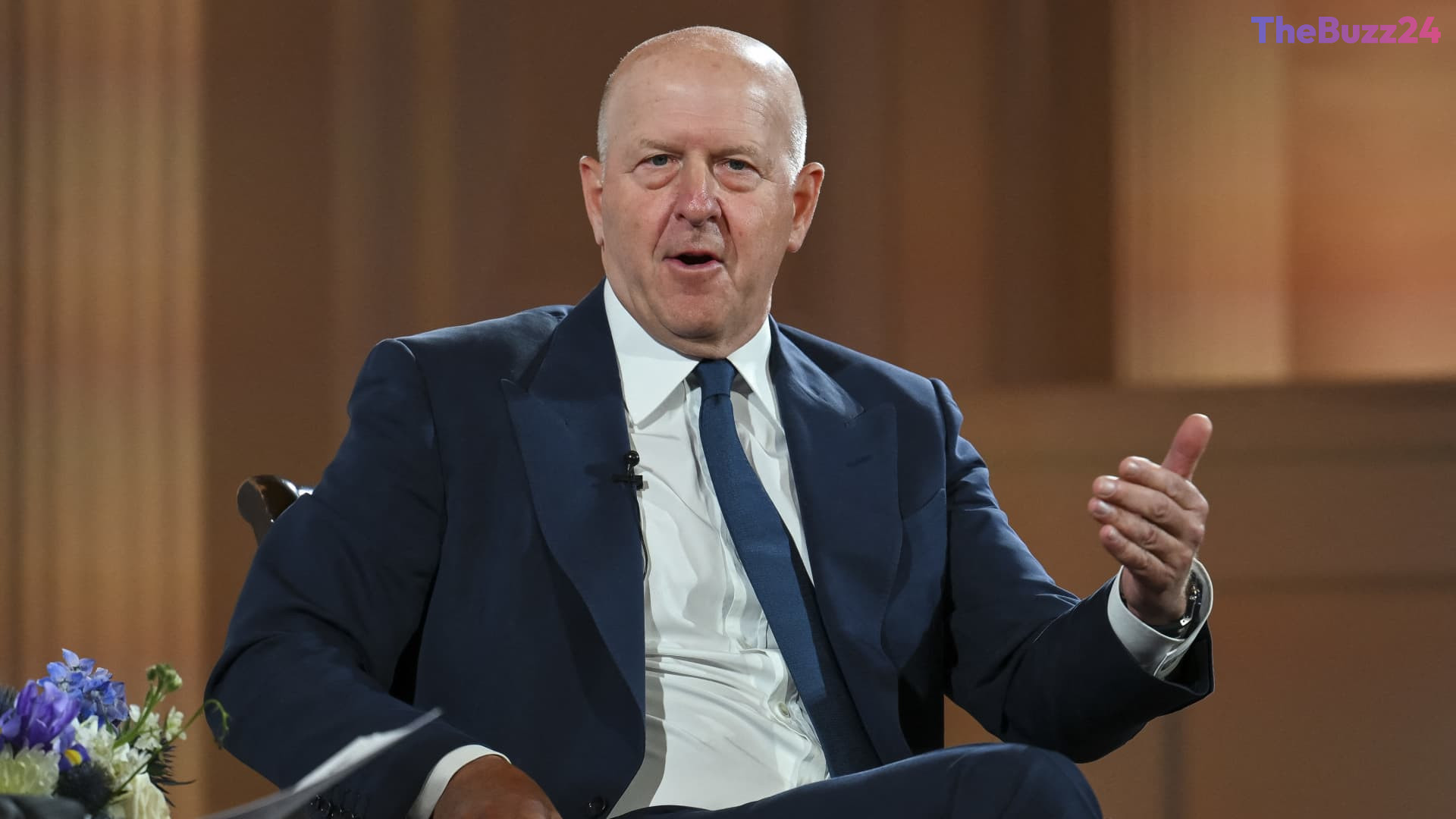
Goldman Sachs CEO David Solomon has observed a significant shift in investor sentiment, noting that the current financial landscape is characterized more by ‘greed’ than ‘fear.’ As major players in the artificial intelligence sector, including OpenAI, Anthropic, and SpaceX, prepare for potential public market debuts, Solomon suggests that the global financial system possesses sufficient liquidity to absorb these unprecedented fundraising demands.
This surge in capital requirements is driven by the massive infrastructure needs of the AI industry, which necessitates billions for data centers, advanced chipsets, and operational scaling. Despite concerns regarding whether the market can sustain such a high volume of equity issuance, Solomon remains optimistic. He points to the recent market reaction to Alphabet’s $80 billion equity raise as a primary indicator that investors remain highly receptive to large-scale AI-focused financial offerings.
Solomon emphasized that companies with high capital consumption should capitalize on current market conditions while liquidity remains abundant. He argued that the current cycle of exuberance could persist for an extended period, potentially creating a self-reinforcing loop where profits from AI ventures are reinvested into new projects and tax revenues. While acknowledging that market sentiment can shift rapidly, he believes the current cycle may still be in its early stages.
Key Takeaways
- Market sentiment has shifted toward 'greed,' with investors showing high appetite for AI-related equity offerings.
- Major firms like OpenAI, Anthropic, and SpaceX are expected to test the market's capacity with massive fundraising rounds.
- Alphabet's successful $80 billion capital raise serves as a key indicator that the market is currently capable of absorbing large-scale AI investments.
Editor’s Analysis & Impact
The current market environment reflects a high-conviction bet on the long-term viability of artificial intelligence. By characterizing the sentiment as ‘greed,’ leadership at major financial institutions is signaling that the fear of a bubble is currently being outweighed by the fear of missing out on the next technological revolution. The implications are significant: if these massive IPOs and equity raises succeed, it will solidify AI as the primary driver of global economic growth for the next decade. However, the reliance on ‘plenty of liquidity’ suggests that the market is highly sensitive to interest rate fluctuations and macroeconomic stability. If the cost of capital rises or if the promised productivity gains from AI fail to materialize in corporate earnings, this period of exuberance could face a sharp, painful correction.
Frequently Asked Questions
Q: Why are AI companies seeking such large amounts of capital?
A: AI companies require massive amounts of funding to build and maintain the expensive infrastructure necessary for their operations, including specialized data centers and high-end semiconductor chips.
Q: What does 'greed' mean in the context of current market sentiment?
A: In this context, 'greed' refers to a state of market optimism where investors are eager to deploy capital into high-growth sectors like AI, prioritizing potential future gains over the risks of market saturation or overvaluation.
AI Disclosure: This article is based on verified data and official reports. Our Team and AI have cross-referenced every financial detail with primary sources to ensure total accuracy.
More from this Category