Massive Data Breach Exposes Millions of Government IDs on Dark Web
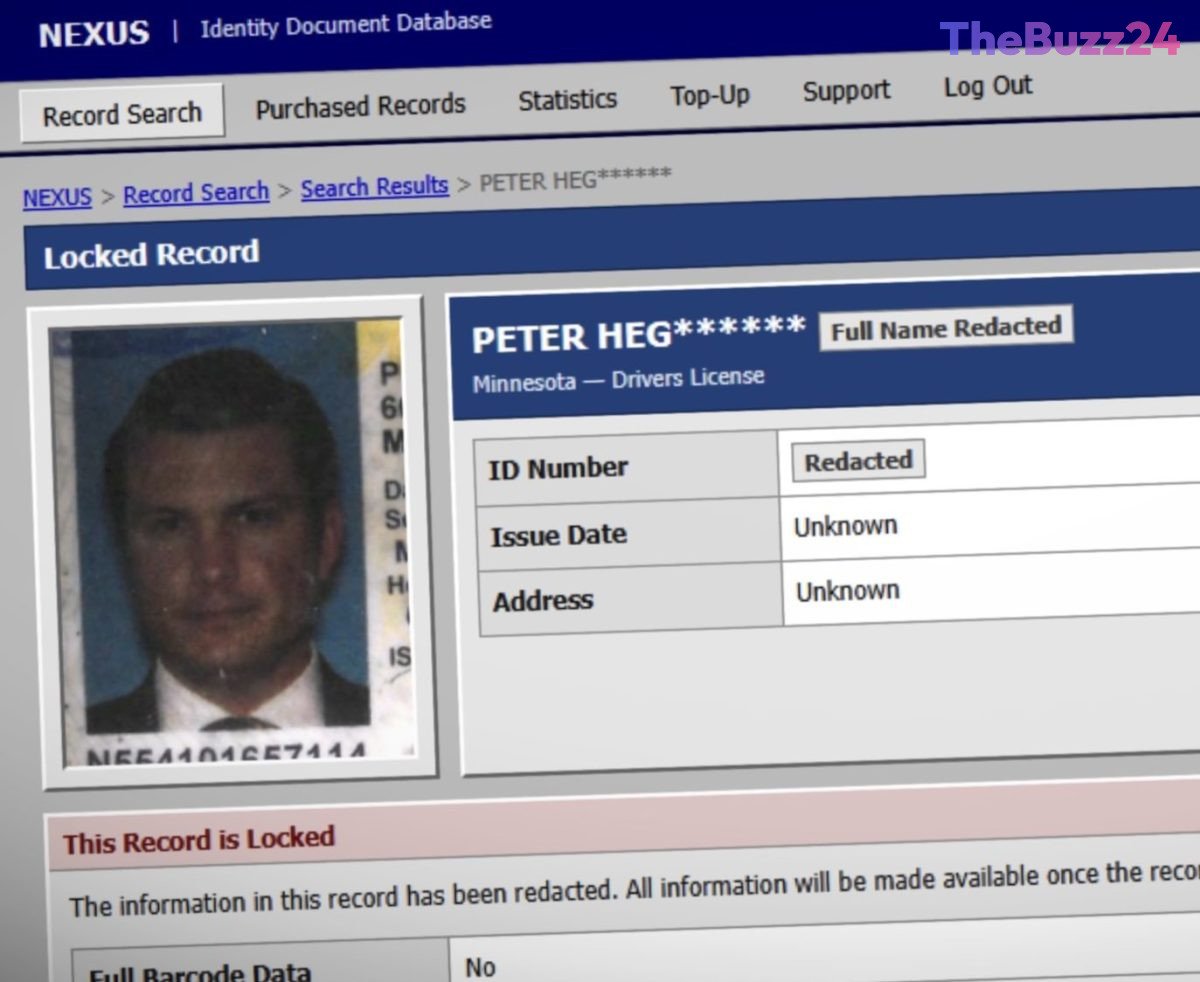
A significant security failure has potentially compromised the personal information of millions of individuals across the United States and Canada. A newly discovered dark web platform, known as Nexus, recently surfaced claiming to host a searchable database containing over 150 million driver’s licenses and passports. The site allegedly updated its repository with approximately half a million new documents daily, suggesting that the perpetrators maintained unauthorized, near real-time access to a primary identity verification system.
The scale of the breach is unprecedented, with records reportedly including high-profile individuals and everyday citizens alike. Security researchers confirmed the authenticity of the data by locating their own government-issued identification cards within the searchable database. The breach appears to stem from a compromise at IDScan, a Louisiana-based firm that provides identity verification services for a wide array of global tech and consumer brands. While the Nexus site went offline shortly after the breach was publicized, the damage to the privacy of millions remains a critical concern.
Law enforcement agencies, including the FBI, are reportedly investigating the incident. The breach highlights the growing dangers associated with the widespread collection and long-term storage of sensitive identity documents. As governments push for stricter age-verification mandates that require users to upload government IDs to access digital services, privacy advocates are warning that such centralized databases create lucrative targets for cybercriminals, ultimately putting the public at significant risk of identity theft.
Key Takeaways
- A dark web site named Nexus claimed to host over 150 million stolen driver's licenses and passports.
- The breach is linked to IDScan, a major verification service used by numerous global companies.
- The incident underscores the severe privacy risks inherent in the mass storage of government-issued identification data.
Editor’s Analysis & Impact
This incident represents a watershed moment for digital privacy and the identity verification industry. By centralizing millions of government-issued documents, companies like IDScan have inadvertently created ‘honeypots’ for sophisticated cybercriminal syndicates. The ability of hackers to exfiltrate data in near real-time suggests a deep-seated vulnerability in the architecture of current verification platforms. Moving forward, this breach will likely trigger intense regulatory scrutiny regarding how third-party vendors handle sensitive PII (Personally Identifiable Information). We expect to see a shift toward decentralized identity solutions or ‘zero-knowledge’ proof technologies, as the current model of storing raw, high-resolution ID scans is proving to be an unsustainable liability for both businesses and the public.
Frequently Asked Questions
Q: What kind of information was exposed in this breach?
A: The breach involved government-issued identification documents, specifically driver's licenses and passports, including personal photos.
Q: How did the hackers obtain this data?
A: The data was reportedly exfiltrated from the systems of IDScan, a company that provides identity verification services to various businesses.
Q: Is the Nexus website still active?
A: No, the Nexus website went offline shortly after the security breach was publicly reported.
AI Disclosure: This article is based on verified data and official reports. Our Team and AI have cross-referenced every financial detail with primary sources to ensure total accuracy.
More from this Category