Mexico Reinstates Original School Calendar Following Public Outcry Over World Cup Plans
The Mexican government has officially retracted a proposal to shorten the academic school year, confirming that students will remain in class until the original end date of July 15. The initial plan, which suggested ending the school year on June 5, was intended to alleviate traffic congestion and manage potential heatwave concerns during the upcoming FIFA World Cup, which Mexico is co-hosting with the United States and Canada.
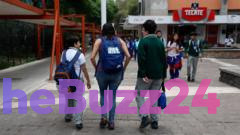
The proposed change faced immediate and intense opposition from parents and educational advocacy groups. Critics argued that cutting the school year short would not only hinder student academic progress but also create a significant childcare burden for working families. The National Union of Parents led the charge against the proposal, asserting that prioritizing a sporting event over the educational calendar was unacceptable. In response to this feedback, the Ministry of Education opted to maintain the standard academic schedule.
President Claudia Sheinbaum addressed the situation, clarifying that the early closure was only a preliminary suggestion rather than a finalized policy. As the country prepares for the tournament, which runs from June 11 to July 19, the administration is shifting its focus toward broader logistical requirements. This includes ongoing renovations at the iconic Azteca stadium and necessary infrastructure upgrades at Mexico City’s international airport.
Beyond academic and logistical concerns, the government is prioritizing security measures to ensure the safety of both residents and international visitors. President Sheinbaum has committed to deploying 100,000 security personnel to manage the influx of fans and maintain order. These efforts come as the administration works to stabilize the country amid ongoing security challenges, ensuring that the nation remains prepared to host the global event.
Key Takeaways
- The Mexican government has canceled plans to end the school year early for the FIFA World Cup, keeping the original July 15 end date.
- Public backlash from parents and advocacy groups was the primary driver behind the government's decision to reverse the proposal.
- President Claudia Sheinbaum has pledged to deploy 100,000 security personnel to ensure safety during the tournament.
Editor’s Analysis & Impact
The Mexican government’s decision to reverse its school calendar policy highlights the delicate balance between hosting major international events and maintaining domestic stability. By prioritizing public sentiment over logistical convenience, the administration has successfully avoided a potential political crisis that could have overshadowed the World Cup preparations. However, the incident underscores the immense pressure on the government to manage infrastructure, security, and public services simultaneously. As the tournament approaches, the focus will likely shift toward the effectiveness of the 100,000-strong security deployment and the ability of the country’s infrastructure to handle the massive influx of international visitors. The long-term implication for the Sheinbaum administration is clear: public policy decisions surrounding the World Cup will be heavily scrutinized, and the government must demonstrate that it can host a global spectacle without compromising the essential needs of its citizens.
Frequently Asked Questions
Q: Why did the Mexican government initially want to end the school year early?
A: The government proposed ending the school year early to reduce traffic congestion and address potential heatwave concerns during the FIFA World Cup.
Q: What is the new end date for the school year in Mexico?
A: Following the reversal of the proposal, the school year will conclude on its original date of July 15.
AI Disclosure: This article is based on verified data and official reports. Our Team and AI have cross-referenced every financial detail with primary sources to ensure total accuracy.
More from this Category