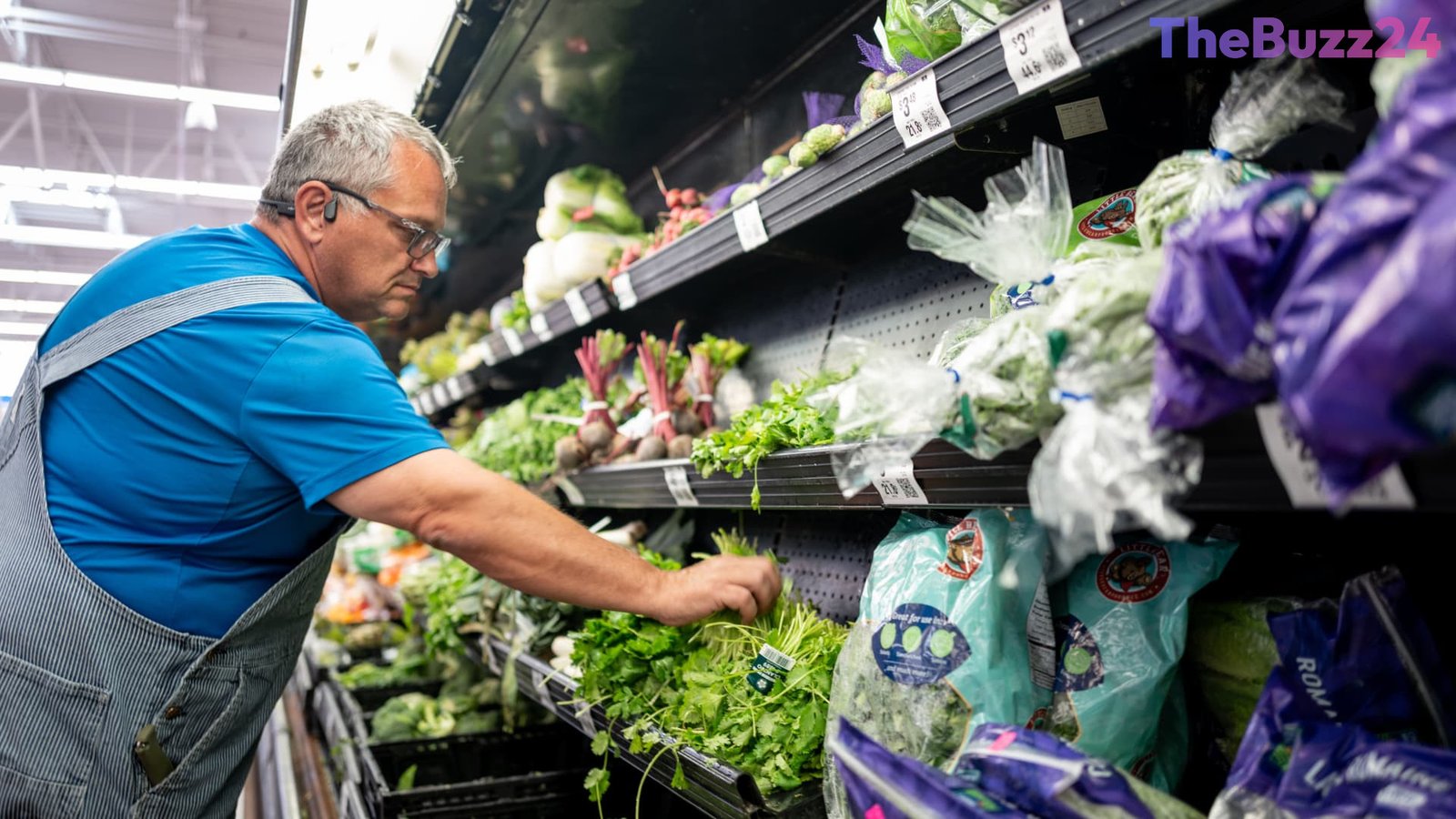
Michigan Lifts Lettuce Consumption Warning as Cyclosporiasis Outbreak Recedes
Health officials in Michigan have officially rescinded their advisory against consuming lettuce and salad greens, signaling a decline in the recent, widespread cyclosporiasis outbreak. The state, which bore the brunt of the infection, reported a total of 12,485 cases since June 2026. While the outbreak resulted in 279 hospitalizations and two fatalities among individuals with pre-existing health conditions, current data indicates a significant downward trend in new infections and related emergency room visits.
The intestinal illness, triggered by the cyclospora parasite, caused widespread concern as it reached record levels, marking one of the most significant foodborne disease events in recent history. Experts suggest that the peak of the exposure occurred between late June and early July. Because of the short shelf life of fresh produce, it is highly probable that the contaminated items have already been consumed or discarded, rendering the risk to the general public minimal.
While the broad recommendation to avoid bagged salad mixes has been lifted, authorities continue to advise consumers to remain vigilant regarding specific recalled products. The multistate investigation, which has impacted 15 states, previously identified iceberg lettuce sourced from Taylor Farms in central Mexico and served at Taco Bell locations as a primary vector. As the situation stabilizes, officials are encouraging residents to return to normal food handling practices while maintaining awareness of ongoing recall notices.
Key Takeaways
- Michigan health authorities have lifted the advisory against eating lettuce following a decline in new cyclosporiasis cases.
- The outbreak, which affected 15 states, resulted in over 12,000 cases and two deaths in Michigan alone.
- Experts believe the contaminated produce is no longer in the supply chain due to its short shelf life, though specific product recalls remain in effect.
Editor’s Analysis & Impact
The cyclosporiasis outbreak serves as a stark reminder of the vulnerabilities within the fresh produce supply chain, particularly regarding cross-border sourcing. The rapid spread of the parasite highlights the difficulty in tracking foodborne illnesses in real-time, often leading to broad, economically damaging precautionary measures. While the lifting of the advisory is a positive step for consumer confidence and the agricultural sector, the incident will likely trigger renewed scrutiny of food safety protocols at major restaurant chains and their suppliers. Moving forward, the industry must prioritize enhanced traceability and rapid-response testing to mitigate the impact of future outbreaks. The economic fallout for retailers and producers during such events is substantial, underscoring the need for more resilient supply chain management to prevent widespread public panic and unnecessary food waste.
Frequently Asked Questions
Q: Is it safe to eat lettuce in Michigan again?
A: Yes, state health officials have lifted the broad advisory against consuming lettuce, noting that the risk of encountering contaminated produce is now very low.
Q: What should I do if I still have lettuce at home?
A: While the general advisory is lifted, you should still check your produce against official recall lists to ensure you are not in possession of any specifically identified contaminated batches.
AI Disclosure: This article is based on verified data and official reports. Our Team and AI have cross-referenced every financial detail with primary sources to ensure total accuracy.
More from this Category