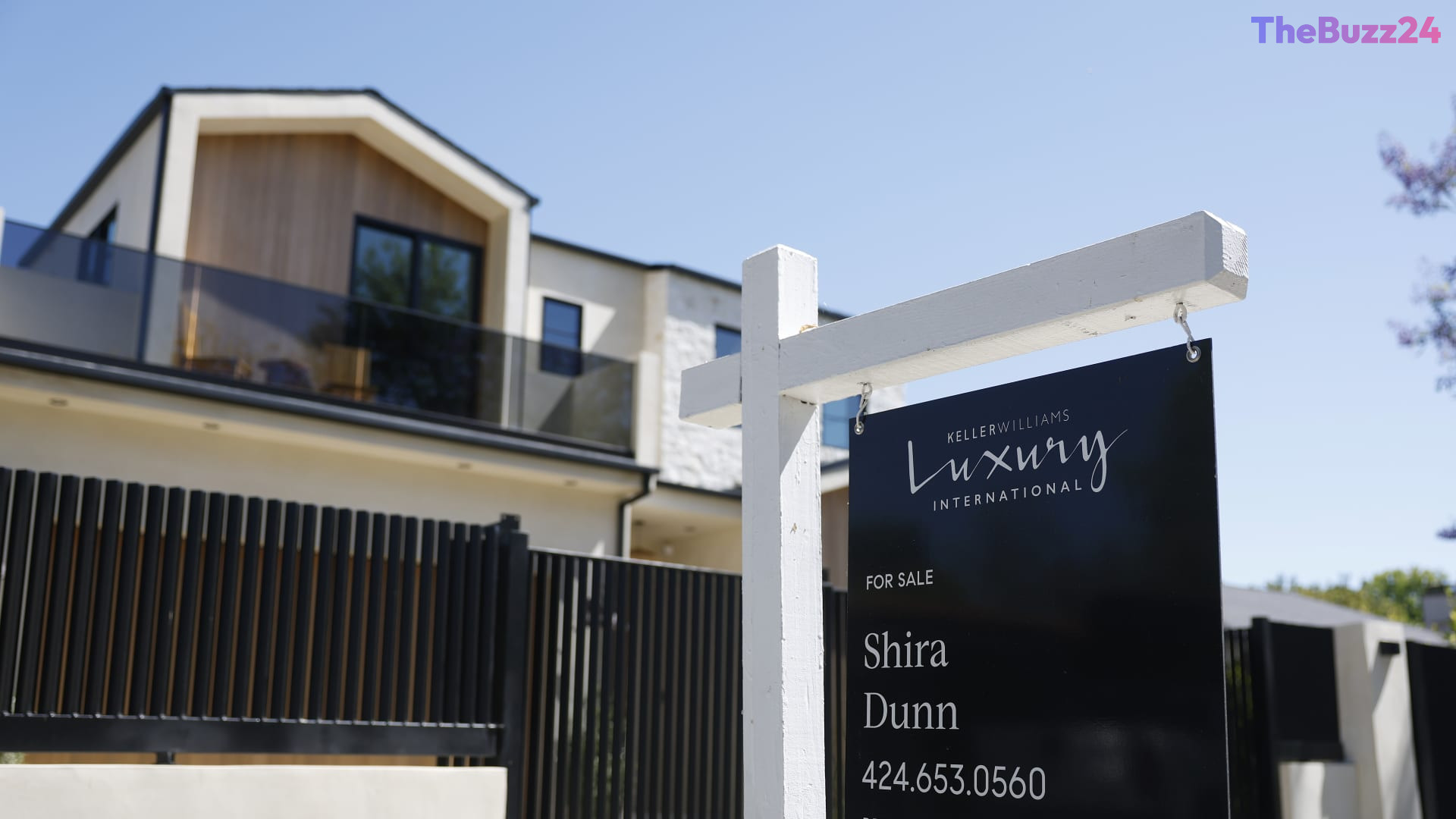
Homebuyer Affordability Strained as Mortgage Rates Surge to Multi-Month Highs
The housing market is facing renewed pressure as borrowing costs for prospective homeowners have climbed to their highest point since March. The average 30-year fixed mortgage rate has ascended to 6.57%, marking a notable 15-basis-point increase. This shift is primarily attributed to recent economic data, specifically a stronger-than-expected Producer Price Index (PPI), which has driven bond yields higher and subsequently pushed mortgage pricing upward.
This rise in rates arrives at a delicate moment for the real estate sector. After a period of stagnation in March, the spring housing market had begun to exhibit signs of recovery, with home showings rising 8% compared to the previous year. This initial momentum was largely supported by a slight stabilization in home prices, which had encouraged a segment of buyers to re-enter the market.
However, the broader housing landscape remains constrained by persistent structural challenges. Inventory levels are currently hovering 11% to 12% below historical averages, creating a supply-demand imbalance that keeps prices elevated. When coupled with the recent surge in interest rates, the effective purchasing power of the average consumer has declined by roughly 4% since February. Consequently, while the market is currently more accessible than it was during the peak rates of last year, the combination of limited supply and rising borrowing costs continues to present a significant barrier to entry for many Americans.
Key Takeaways
- The average 30-year fixed mortgage rate has climbed to 6.57%, the highest level since March.
- Rising bond yields, driven by inflationary concerns and the latest Producer Price Index, are the primary catalysts for the rate hike.
- A persistent 11-12% shortfall in housing inventory continues to limit buyer options and erode purchasing power.
Editor’s Analysis & Impact
The recent volatility in mortgage rates underscores the sensitivity of the housing market to macroeconomic indicators. As the Federal Reserve navigates the path toward inflation targets, the real estate sector remains caught in a ‘higher-for-longer’ interest rate environment. The immediate impact is a cooling of the nascent spring recovery, as the cost of capital outpaces the slight relief seen in home price moderation. Looking ahead, the market is likely to remain bifurcated: high-income buyers may continue to transact, but the broader middle-class demographic will face increasing difficulty in securing financing. Unless inventory levels see a significant, sustained increase or bond yields stabilize, the housing market will likely experience a period of suppressed transaction volume, keeping the dream of homeownership elusive for many prospective buyers throughout the remainder of the year.
Frequently Asked Questions
Q: Why are mortgage rates rising despite some cooling in home prices?
A: Mortgage rates are primarily influenced by bond yields, which have risen due to strong economic data and persistent inflation concerns, overriding the minor cooling effects seen in home prices.
Q: How does the current inventory shortage affect the average homebuyer?
A: The 11-12% shortfall in housing inventory limits the number of available homes, which keeps prices high and reduces the overall purchasing power of buyers, making it harder to find affordable options.
AI Disclosure: This article is based on verified data and official reports. Our Team and AI have cross-referenced every financial detail with primary sources to ensure total accuracy.
More from this Category