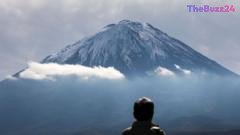
Mount Fuji Implements Rescue Fees and Stricter Rules for Off-Season Climbers
Authorities in Japan’s Yamanashi prefecture are set to introduce significant financial penalties for climbers who require helicopter rescue services during the off-season at Mount Fuji. Starting next year, individuals who attempt to scale the iconic peak outside of the official summer climbing window will be held financially responsible for emergency extraction costs. This policy is part of a broader initiative to discourage reckless behavior and ensure that hikers are adequately prepared for the mountain’s treacherous conditions.
While the exact cost structure is still being finalized, officials are looking to the nearby Saitama prefecture as a model, where rescue services currently charge 8,000 yen (approximately $51) for every five minutes of helicopter operation. In addition to the potential fees, Yamanashi officials will mandate that any individuals attempting to climb between early September and July must submit comprehensive climbing plans for approval. This measure aims to increase accountability and provide authorities with better data to manage safety risks.
Governor Kotaro Nagasaki has publicly urged the public to avoid off-season attempts, emphasizing that the mountain’s winter environment is far more dangerous than many realize. With most mountain huts and essential facilities closed during these months, the risk of becoming stranded is significantly higher. Neighboring Shizuoka prefecture, which oversees the southern portion of the mountain, is also tightening its regulations by imposing penalties on those who fail to register their climbing intentions, signaling a unified regional effort to prioritize climber safety over tourism access.
Key Takeaways
- Yamanashi prefecture will charge for helicopter rescues during the off-season starting next year.
- Climbers must now submit detailed climbing plans to authorities if they attempt to scale the mountain outside the July-to-September window.
- Regional officials are implementing stricter registration requirements and penalties to curb the rise in unplanned and dangerous climbing attempts.
Editor’s Analysis & Impact
The decision to implement rescue fees on Mount Fuji marks a significant shift in how Japanese authorities manage high-traffic natural landmarks. By shifting the financial burden of emergency services onto the individual, the prefecture is effectively using economic deterrence to manage public safety. This move reflects a growing trend in global tourism management, where popular destinations are increasingly prioritizing the sustainability of local resources and the safety of emergency personnel over unrestricted access. The broader implication is a move toward ‘responsible tourism,’ where the privilege of accessing extreme environments is contingent upon rigorous planning and financial accountability. As climate conditions become more unpredictable, we expect other high-altitude destinations to adopt similar ‘pay-to-play’ safety models to mitigate the strain on local emergency infrastructure.
Frequently Asked Questions
Q: When is the official climbing season for Mount Fuji?
A: The official climbing season runs from early July to early September.
Q: Why are authorities implementing these new measures?
A: The measures are intended to deter poorly prepared climbers, reduce the number of emergency rescues, and manage the risks associated with severe off-season weather conditions.
AI Disclosure: This article is based on verified data and official reports. Our Team and AI have cross-referenced every financial detail with primary sources to ensure total accuracy.
More from this Category