High-Stakes Legal Showdown: Elon Musk and OpenAI Head to Trial
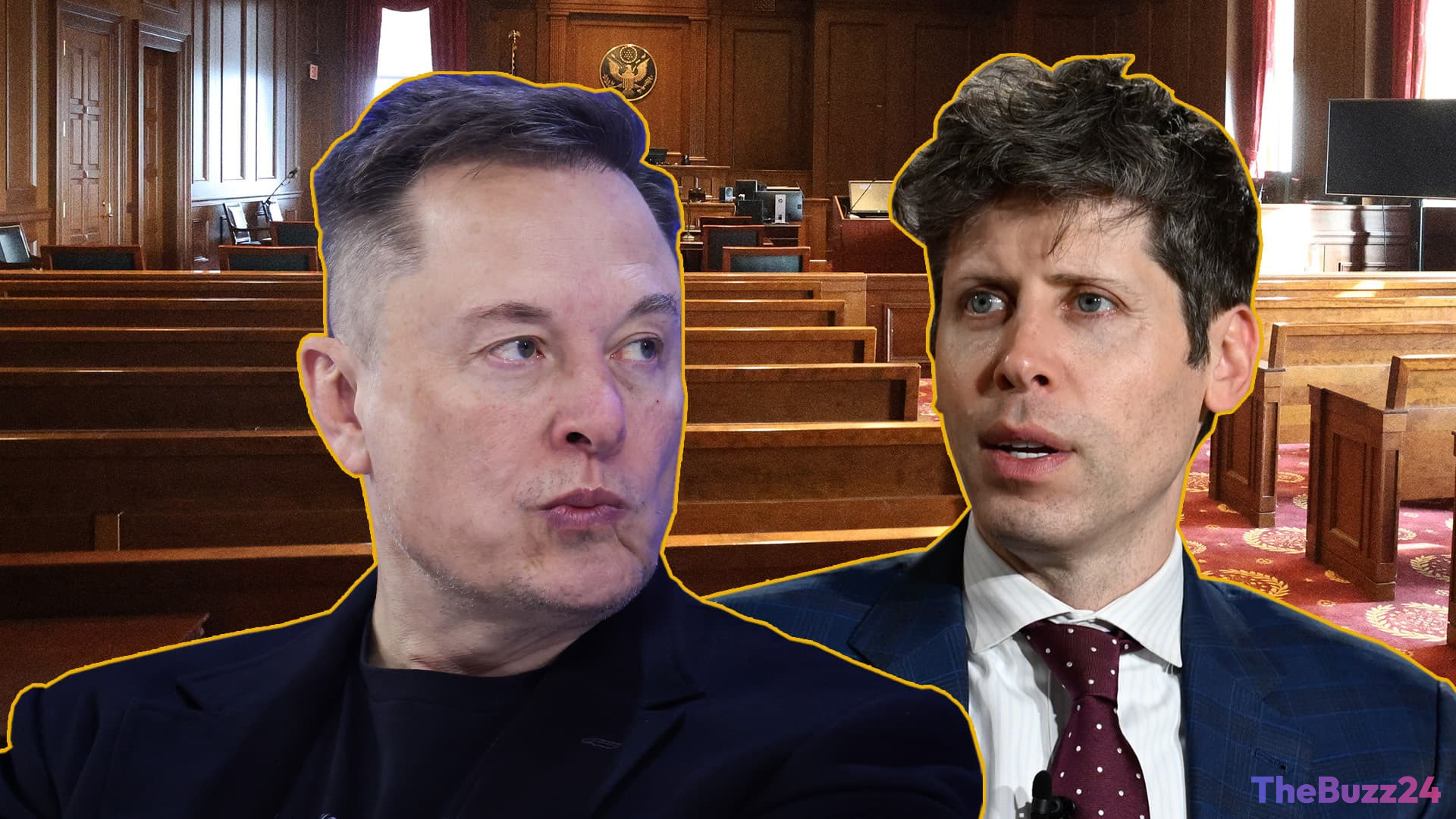
A landmark legal battle between Elon Musk and OpenAI leadership is set to commence this Monday in a Northern California federal court. The trial, which features a high-profile jury selection process, centers on a $134 billion lawsuit filed by Musk against OpenAI, CEO Sam Altman, and President Greg Brockman. At the heart of the dispute is Musk’s allegation that the company abandoned its foundational commitment to operate as a nonprofit organization dedicated to the safe development of artificial intelligence for the benefit of humanity.
Musk, who co-founded OpenAI in 2015 alongside Altman and others, claims he was misled regarding the company’s long-term trajectory. Since his departure from the board in 2018, OpenAI has transitioned into a structure that includes a for-profit subsidiary, a move Musk argues violates the original charitable trust. The lawsuit, which also names Microsoft as a defendant for its role in supporting the company’s restructuring, seeks significant financial damages and a potential reversal of the firm’s for-profit conversion.
Presiding Judge Yvonne Gonzalez Rogers has structured the trial into two distinct phases: a liability phase, where a jury will provide an advisory verdict, and a subsequent remedies phase. The proceedings are expected to feature testimony from industry titans, including Musk, Altman, and Microsoft CEO Satya Nadella. As OpenAI prepares for a potential public offering later this year, the outcome of this litigation could have profound implications for the governance and future operational models of major artificial intelligence labs.
Key Takeaways
- Elon Musk is suing OpenAI, Sam Altman, and Greg Brockman for $134 billion, alleging a breach of the company's original nonprofit mission.
- The trial will be split into a liability phase and a remedies phase, with Judge Yvonne Gonzalez Rogers making the final decisions based on an advisory jury verdict.
- The lawsuit also names Microsoft as a defendant, accusing the tech giant of aiding in the alleged misconduct regarding OpenAI's corporate restructuring.
Editor’s Analysis & Impact
The Musk-OpenAI trial represents a critical inflection point for the artificial intelligence industry. Beyond the personal animosity between the two parties, the case forces a legal examination of the ‘nonprofit-to-for-profit’ transition model that has become common among AI labs seeking massive capital injections. If the court finds merit in Musk’s claims of breach of charitable trust, it could set a restrictive precedent for how research-focused organizations scale their operations and accept venture funding. Conversely, a victory for OpenAI would likely solidify the current industry standard, where AI labs maintain nonprofit oversight while utilizing for-profit subsidiaries to fuel rapid development. Regardless of the verdict, the trial highlights the growing tension between the open-source, safety-first origins of AI development and the intense commercial pressures of the current market.
Frequently Asked Questions
Q: What is the primary goal of Elon Musk's lawsuit against OpenAI?
A: Musk is seeking to hold OpenAI accountable for allegedly abandoning its nonprofit mission, requesting damages and the potential reversal of the company's for-profit restructuring.
Q: Who is presiding over the trial?
A: U.S. District Judge Yvonne Gonzalez Rogers is presiding over the case in the Northern District of California.
AI Disclosure: This article is based on verified data and official reports. Our Team and AI have cross-referenced every financial detail with primary sources to ensure total accuracy.
More from this Category