NASA and Girl Scouts Collaborate to Ignite Interest in Space Science Careers
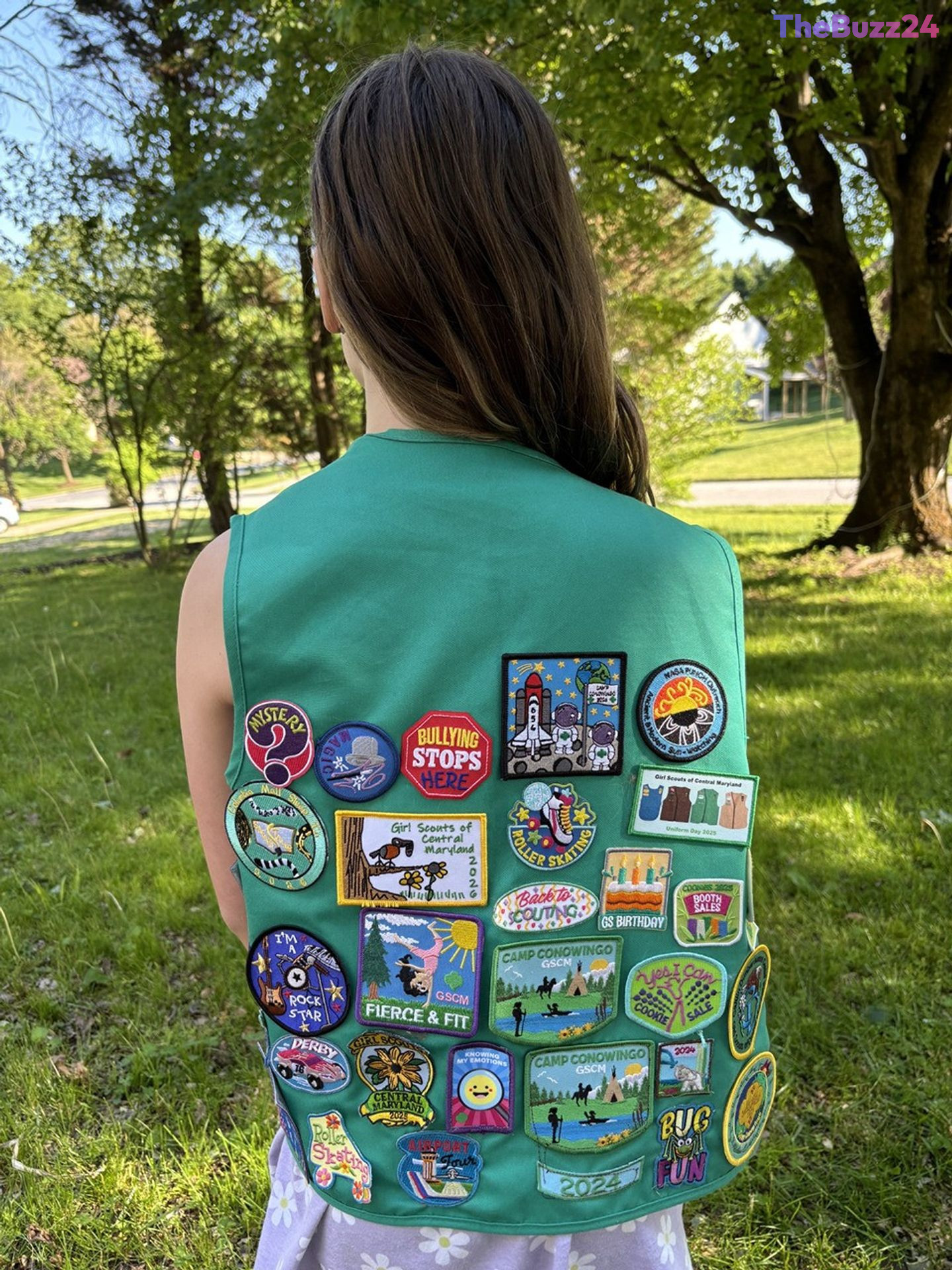
In early May 2026, Camp Conowingo in Maryland became a hub for future space explorers as 165 Girl Scouts participated in an immersive weekend dedicated to heliophysics and the mysteries of the cosmos. The event, supported by NASA’s Heliophysics Education Activation Team (HEAT) and the PUNCH mission outreach program, offered participants a rare opportunity to earn official Space Science badges and the prestigious Ancient and Modern Sun-Watching patch through hands-on engagement.
The educational program featured seven specialized activity stations designed to break down complex astronomical concepts. Scouts delved into the mechanics of the solar system, lunar phases, and the real-world impacts of space weather. Crucially, the curriculum extended beyond technical science, emphasizing the diverse career paths available in the aerospace sector. Organizers highlighted that the industry relies on a broad spectrum of talent, including writers, artists, and financial experts, alongside traditional scientists and engineers.
A standout feature of the weekend was the implementation of a peer-mentorship model, where high school seniors took the lead in guiding younger scouts through experiments. This approach not only facilitated a collaborative learning environment but also helped older students develop essential leadership and communication skills. Due to the overwhelming demand for the program, organizers were forced to schedule additional outreach sessions to accommodate troops that could not fit into the primary event.
This initiative represents a significant step in the ongoing partnership between space exploration experts and youth organizations. By integrating traditional outdoor experiences like stargazing with rigorous scientific inquiry, the program aims to inspire a new generation of learners to pursue STEM careers, ensuring that the next wave of space exploration is supported by a diverse and well-prepared workforce.
Key Takeaways
- 165 Girl Scouts participated in a specialized heliophysics and space exploration weekend at Camp Conowingo.
- The curriculum emphasized that aerospace careers require diverse skill sets, including creative and financial roles, not just engineering.
- A peer-mentorship model allowed high school seniors to lead younger scouts, fostering leadership skills and collaborative learning.
Editor’s Analysis & Impact
The collaboration between NASA and the Girl Scouts serves as a strategic investment in the future of the aerospace workforce. By demystifying complex topics like heliophysics and broadening the definition of a ‘space career’ to include non-STEM roles, the program effectively lowers the barrier to entry for young students. This holistic approach is critical for the industry, which faces a growing need for a diverse talent pipeline to support increasingly complex missions. The success of the peer-mentorship model further suggests that integrating leadership development into technical education creates more resilient and communicative future professionals. As space exploration becomes more commercialized and multifaceted, initiatives that bridge the gap between academic theory and practical, community-based engagement will be essential for maintaining public interest and long-term industry growth.
Frequently Asked Questions
Q: What is the Ancient and Modern Sun-Watching patch?
A: It is a specific badge offered by the Girl Scouts that recognizes a participant's completion of educational activities focused on solar science and the history of how humanity has observed the sun.
Q: Why did the program emphasize non-scientific roles in the aerospace industry?
A: The program aimed to show that space missions are complex endeavors that require a wide variety of professional skills, including communication, art, and finance, to ensure that every student can see a place for themselves in the industry.
AI Disclosure: This article is based on verified data and official reports. Our Team and AI have cross-referenced every financial detail with primary sources to ensure total accuracy.
More from this Category