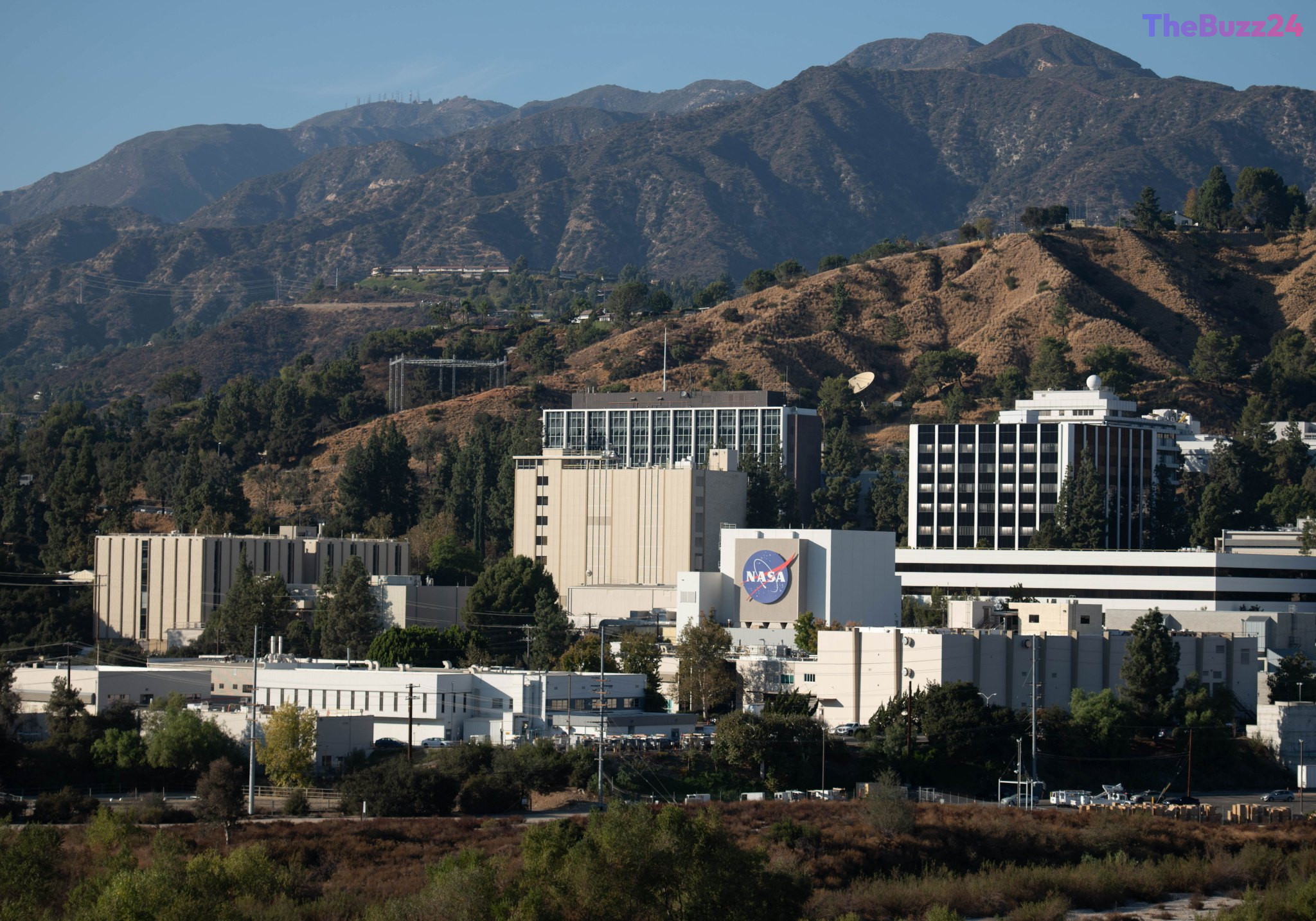
NASA Shifts Strategy: Jet Propulsion Laboratory Management to Face Competitive Bidding
NASA has officially initiated a transition in how it oversees the Jet Propulsion Laboratory (JPL), announcing that the management and operations contract for the renowned research facility will be opened to competitive bidding. This decision marks a historic departure from the agency’s long-standing practice of awarding the contract to the California Institute of Technology (Caltech) on a sole-source basis, a relationship that has defined the laboratory since its integration into the space agency in 1958.
The agency’s move is largely attributed to the rapid evolution and expansion of the domestic space economy. By moving toward a competitive procurement model, NASA intends to survey the current landscape for potential management strategies that could drive greater innovation, optimize operational costs, and elevate mission performance. This shift mirrors standard federal practices already employed by other government entities, such as the Department of Energy, in managing large-scale research and development centers.
Despite the change in administrative oversight, NASA has reaffirmed that JPL remains a cornerstone of its scientific and exploratory goals. The agency has committed to a seamless transition process to ensure that ongoing and future space missions remain unaffected. Furthermore, officials confirmed that the laboratory will continue to operate from its established Southern California location. The current agreement with Caltech is slated to remain in effect until September 30, 2028, providing a multi-year window to conduct a thorough and transparent procurement cycle.
Key Takeaways
- NASA is ending the sole-source management contract for the Jet Propulsion Laboratory, which has been held by Caltech for decades.
- The decision is driven by the growth of the U.S. space economy and a desire to improve operational efficiency and innovation.
- The current contract with Caltech remains active until September 2028, ensuring a long-term transition period for the facility.
Editor’s Analysis & Impact
The decision to open the JPL contract to competition signals a broader shift in how federal agencies manage high-stakes scientific infrastructure. As the space sector transitions from a government-led model to a more commercialized ecosystem, NASA is clearly signaling that even its most prestigious institutions must demonstrate value and adaptability. While Caltech has been a successful steward, the move suggests that NASA is looking for management models that can better integrate with the agile, cost-conscious nature of the modern ‘NewSpace’ era. This competitive process will likely attract interest from major aerospace contractors and academic consortia alike. The long-term implication is a potential restructuring of how federally funded research centers operate, prioritizing scalability and efficiency to keep pace with the rapid technological advancements currently defining the global space race.
Frequently Asked Questions
Q: Will the Jet Propulsion Laboratory be moving to a new location?
A: No, NASA has confirmed that the laboratory will remain at its current physical location in Southern California.
Q: When will the new management contract take effect?
A: The current contract with Caltech runs through September 30, 2028, and the new competitive procurement process is designed to ensure a transition by the end of that term.
AI Disclosure: This article is based on verified data and official reports. Our Team and AI have cross-referenced every financial detail with primary sources to ensure total accuracy.
More from this Category