NASA Unveils First Major Wind Tunnel in Four Decades at Langley Research Center
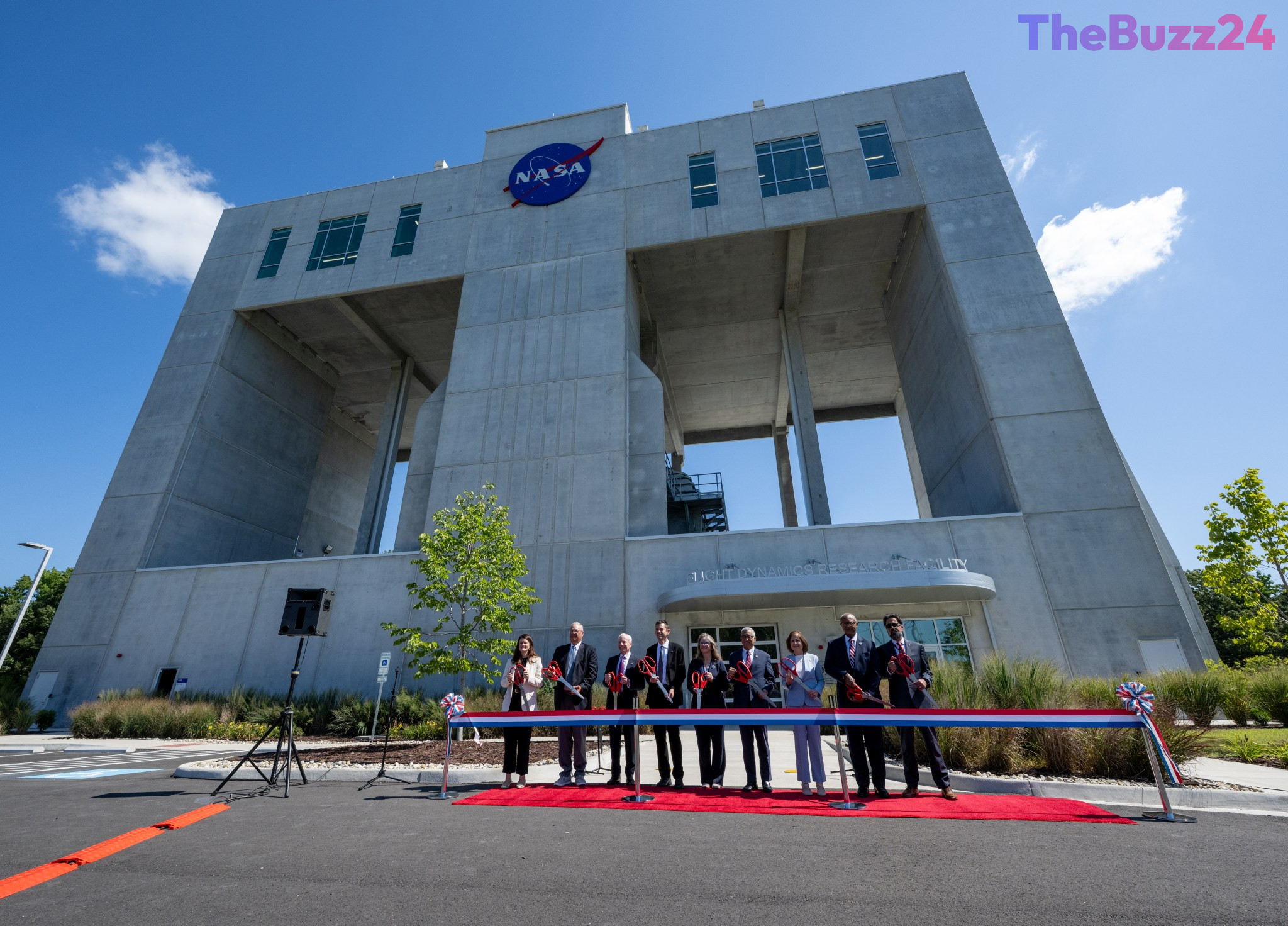
NASA officially inaugurated its newest wind tunnel, the Flight Dynamics Research Facility, during a ribbon-cutting ceremony held on July 31, 2026, at the Langley Research Center in Hampton, Virginia. This milestone marks the first time in over 40 years that the agency has commissioned a major new wind tunnel, signaling a significant modernization of its aeronautical testing infrastructure.
The facility was opened by a delegation of NASA leadership and Virginia state officials, highlighting the collaborative effort required to bring the project to fruition. Designed to be a cornerstone of future aerospace innovation, the wind tunnel will provide critical data for testing next-generation aircraft and spacecraft designs. Its capabilities are expected to play a pivotal role in the agency’s broader mission objectives.
Beyond general aeronautics, the Flight Dynamics Research Facility is specifically tailored to support the Artemis program. By facilitating advanced research and technology development, the tunnel will assist in the engineering challenges associated with establishing a sustained human presence on the lunar surface and the eventual construction of a Moon Base. This infrastructure investment ensures that the agency remains at the forefront of exploration and scientific discovery for the coming decades.
Key Takeaways
- NASA has opened its first major new wind tunnel in over 40 years at the Langley Research Center.
- The Flight Dynamics Research Facility is designed to support aeronautics research and the Artemis lunar exploration program.
- The facility will be instrumental in developing technologies required for a sustainable human presence on the Moon.
Editor’s Analysis & Impact
The opening of the Flight Dynamics Research Facility represents a strategic reinvestment in domestic aerospace infrastructure. For decades, the industry has relied on aging wind tunnel technology, which often created bottlenecks in the development cycle for high-speed and complex spacecraft. By modernizing these capabilities, NASA is effectively lowering the barrier to entry for testing advanced flight dynamics, which is essential for the transition from short-term lunar missions to long-term habitation. This facility will likely become a hub for public-private partnerships, as commercial space entities will require such high-fidelity testing environments to meet the rigorous safety standards of the Artemis program. The long-term implication is a faster iteration cycle for aerospace hardware, potentially accelerating the timeline for deep-space exploration and commercial lunar logistics.
Frequently Asked Questions
Q: Why is the new wind tunnel at Langley significant?
A: It is the first major wind tunnel facility built by NASA in over 40 years, representing a major upgrade to the agency's testing capabilities.
Q: How will this facility support the Artemis program?
A: The facility will be used to conduct research and technology development necessary for establishing a sustained human presence on the Moon and building a lunar base.
AI Disclosure: This article is based on verified data and official reports. Our Team and AI have cross-referenced every financial detail with primary sources to ensure total accuracy.
More from this Category