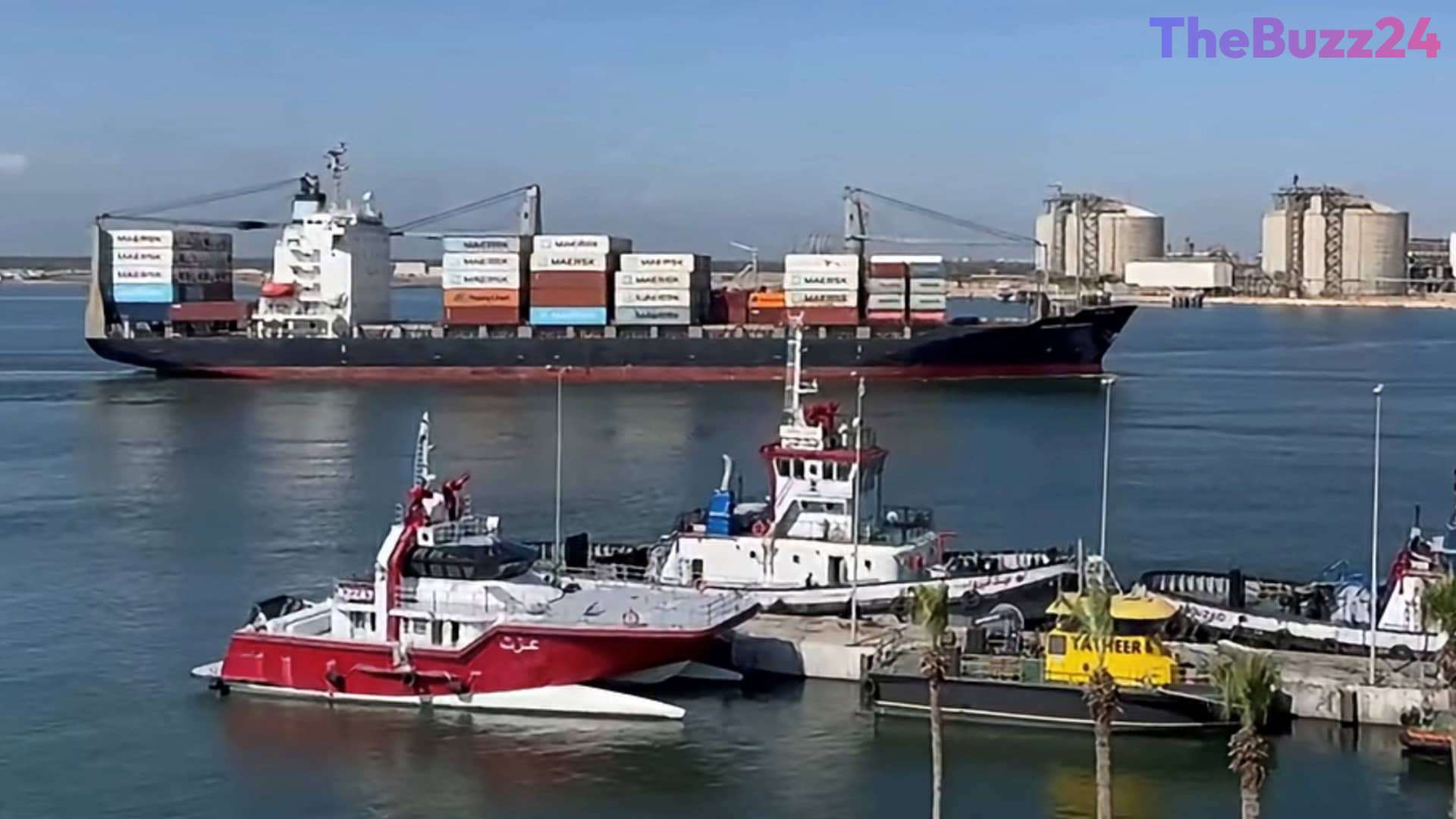
Drone Strike Damages Vessels at Egyptian LNG Hub Amid Expanding Regional Energy Attacks
A recent drone strike struck two vessels docked at Egypt’s Mediterranean port of Damietta, igniting fires and highlighting a dangerous escalation in regional attacks targeting critical energy infrastructure. Initial investigations confirmed that the unmanned aerial assault targeted the port facilities, which house a prominent liquefied natural gas hub.
The vessels impacted by the incident included the Energos Winter, a floating storage and regasification unit, alongside the GasLog Salem LNG tanker. Emergency response teams and on-site safety personnel swiftly deployed to contain and extinguish the resulting onboard fires, preventing further escalation. Egyptian petroleum authorities stated that standard emergency protocols were successfully executed to manage the crisis.
While no group has formally claimed responsibility for the strike, the incident unfolds against a backdrop of widening regional hostilities involving Iran, Houthi forces in Yemen, and allied militias in Iraq. These groups have increasingly targeted Middle Eastern energy corridors, putting maritime trade routes, pipelines, and coastal facilities at heightened risk of disruption.
The attack on Egyptian soil underscores the expanding geographical scope of security threats facing energy transit routes near the Suez Canal and the broader Red Sea region. As geopolitical tensions persist, global energy markets and supply chains remain vulnerable to asymmetric threats directed at vital production and transportation hubs.
Key Takeaways
- A drone strike hit two vessels, including an LNG tanker and a regasification unit, at Egypt's Damietta port.
- On-site emergency teams successfully extinguished the fires with no immediate claims of responsibility.
- The incident marks an expansion of regional energy infrastructure attacks across the Middle East.
Editor’s Analysis & Impact
The drone strike at Egypt’s Damietta port marks a critical turning point in regional security, shifting the focal point of energy vulnerabilities from the southern Red Sea and Persian Gulf into the Mediterranean approaches of the Suez Canal. As regional militias and state actors broaden their targets, the reliability of global liquefied natural gas (LNG) supply chains and alternative transit pipelines faces unprecedented pressure. While immediate market reaction has been relatively subdued, persistent targeting of storage vessels and tankers introduces structural risk premiums that could impact maritime insurance, shipping routes, and global energy prices over the long term. Governments and energy firms will likely need to reassess port security measures and contingency frameworks to safeguard critical assets against asymmetric drone threats.
Frequently Asked Questions
Q: Which ships were damaged in the drone attack at Damietta port?
A: The vessels impacted were the Energos Winter floating storage and regasification unit and the GasLog Salem LNG tanker.
Q: Has any group claimed responsibility for the strike?
A: No group has formally claimed responsibility for the drone attack on the vessels in Egypt.
Q: How was the situation handled by local authorities?
A: Egypt's Ministry of Petroleum and Mineral Resources stated that local authorities and firefighting teams immediately executed approved emergency and rapid response plans to extinguish the fires safely.
AI Disclosure: This article is based on verified data and official reports. Our Team and AI have cross-referenced every financial detail with primary sources to ensure total accuracy.
More from this Category