NASA’s Mars-Bound Nuclear Ship ‘Freedom’ Powers Up for 2028 Launch
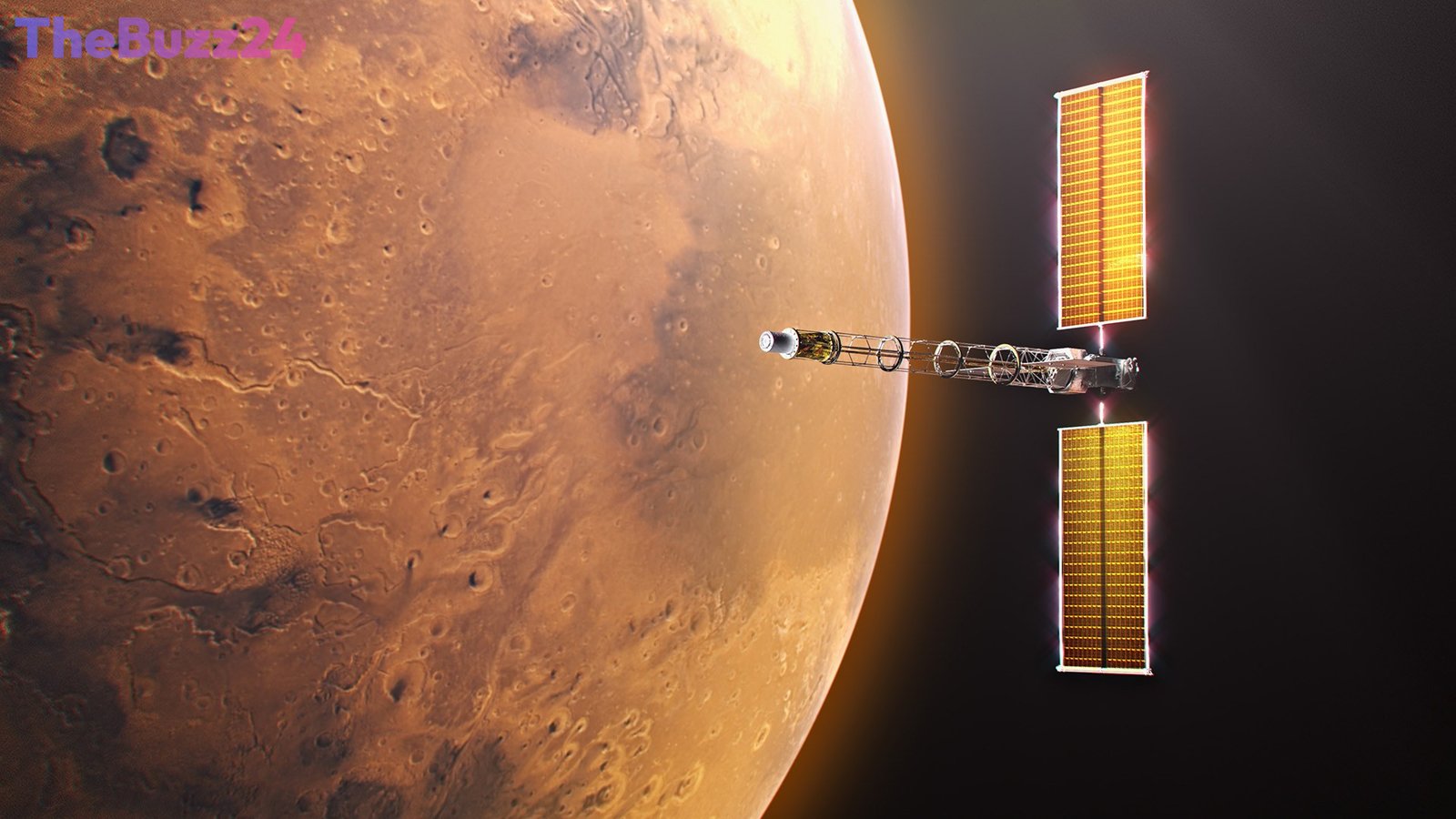
NASA is making significant strides with its groundbreaking Space Reactor-1 (SR-1) Freedom mission, a pioneering initiative set to deploy the first fission-powered spacecraft beyond Earth’s orbit. The mission, slated for a late 2028 launch, aims to demonstrate nuclear electric propulsion in deep space, with crucial progress now being made on its nuclear power module.
This ambitious project represents a major leap in space exploration technology. The SR-1 Freedom spacecraft will journey to Mars, carrying the SkyFall payload, which includes three advanced Mars helicopters inspired by the Ingenuity design. These helicopters are tasked with collecting vital scientific data, exploring new zones, and searching for potential water sources on the Red Planet. The development of the nuclear power module, the heart of the spacecraft’s propulsion system, is a key focus. This module will generate electricity through nuclear fission, powering both the spacecraft’s systems and its advanced electric propulsion.
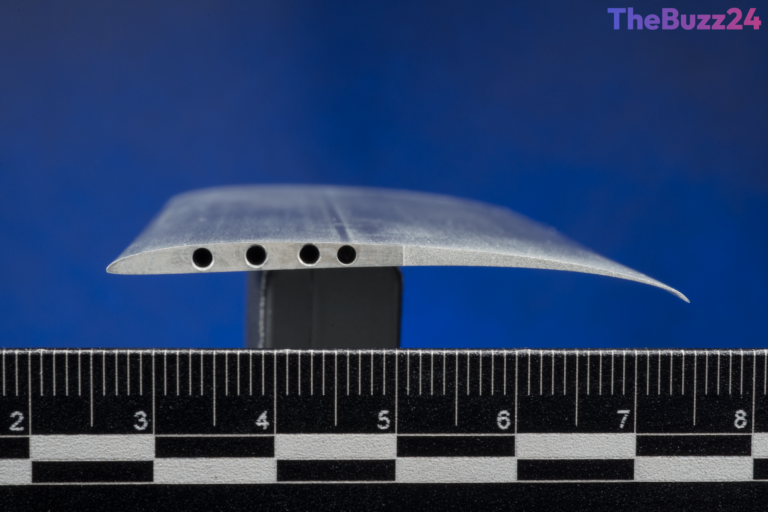
Key contract actions have been finalized with partners to accelerate the mission’s development, reduce technical risks, and maintain momentum. Sierra Lobo Inc. is developing the closed Brayton cycle power conversion system, which will transform thermal energy from the fission reactor into electrical power. Concurrently, the Department of Energy’s Idaho National Laboratory is designing and developing the fission reactor itself. NASA and the DOE are emphasizing stringent safety protocols throughout the design and development process, including interagency reviews and continuous oversight, ensuring the reactor remains inactive until the spacecraft is safely in orbit.
The SR-1 Freedom mission is not only about reaching Mars but also about paving the way for future deep space endeavors. The technologies developed for this mission are intended to support next-generation fission-powered systems, crucial for sustaining NASA’s lunar operations, particularly during periods of darkness or in locations where solar power is insufficient. This initiative underscores NASA’s commitment to advancing space exploration capabilities through innovative power solutions.
Key Takeaways
- NASA's SR-1 Freedom will be the first spacecraft to use nuclear fission power beyond Earth's orbit, targeting a Mars mission in late 2028.
- The mission's nuclear power module is being developed by Sierra Lobo Inc. (power conversion) and Idaho National Laboratory (reactor), with a strong emphasis on safety.
- SR-1 Freedom will deploy the SkyFall payload, featuring three advanced Mars helicopters, and its technology aims to support future deep space and lunar base operations.
Editor’s Analysis & Impact
The advancement of NASA’s SR-1 Freedom mission signifies a critical juncture for space exploration, particularly in the realm of deep space propulsion. The successful demonstration of a fission-powered spacecraft could revolutionize mission capabilities, enabling faster transit times and more ambitious scientific payloads for destinations like Mars and beyond. This reliance on nuclear power addresses the limitations of solar energy in deep space and during lunar nights, potentially unlocking sustained human presence on the Moon and facilitating more complex interplanetary missions. The collaboration between NASA and the Department of Energy, alongside private industry partners like Sierra Lobo, highlights a strategic approach to de-risking and accelerating cutting-edge technology development, setting a precedent for future large-scale space initiatives.
Frequently Asked Questions
Q: What is the primary goal of the SR-1 Freedom mission?
A: The primary goal of the SR-1 Freedom mission is to demonstrate nuclear electric propulsion in deep space by deploying the first fission-powered spacecraft beyond Earth's orbit, with a specific objective to deliver the SkyFall science payload to Mars.
Q: When is the SR-1 Freedom mission scheduled to launch?
A: The SR-1 Freedom mission is scheduled to launch in late 2028.
Q: What safety measures are in place for the nuclear reactor?
A: NASA and the Department of Energy are incorporating thorough safety standards, including interagency safety reviews, continuous oversight by a NASA chief safety officer, regulatory compliance, and a rigorous design process focused on hazards, failure tolerance, and nuclear safety. The reactor will remain inactive until the spacecraft is outside of Earth's orbit.
AI Disclosure: This article is based on verified data and official reports. Our Team and AI have cross-referenced every financial detail with primary sources to ensure total accuracy.
More from this Category