NASA’s NEO Surveyor Reaches Key Milestone with Solar Array Inspection
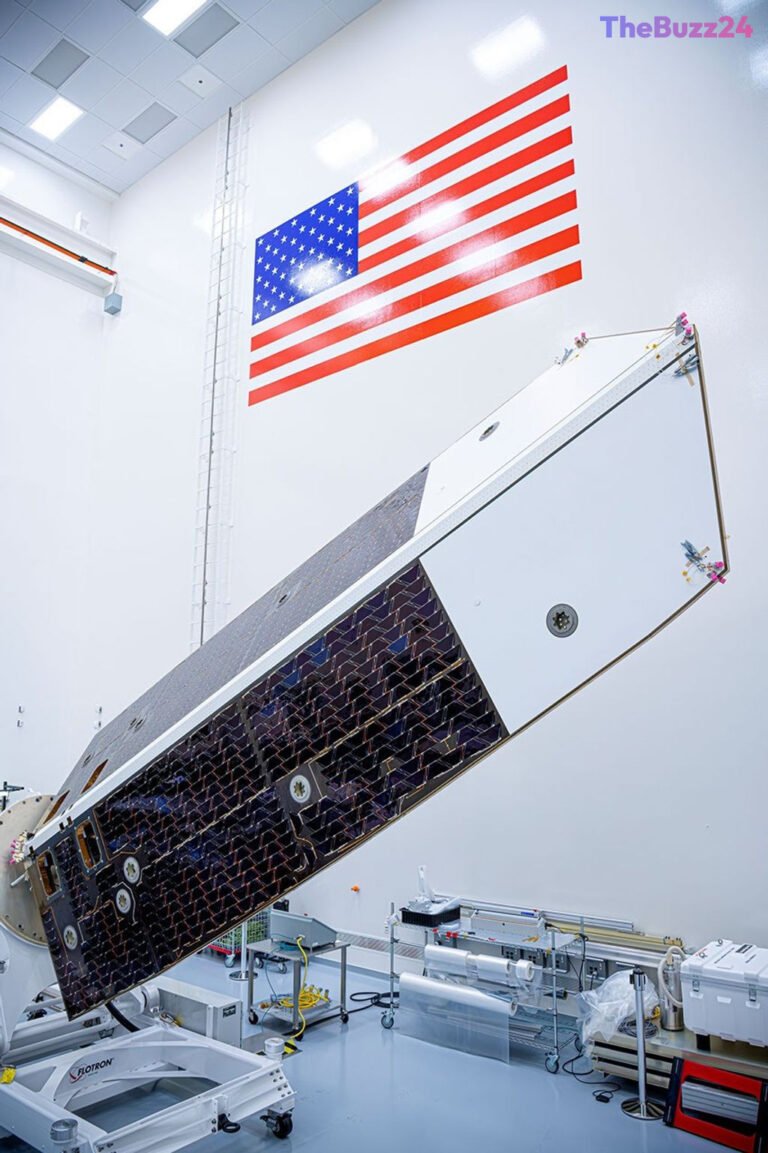
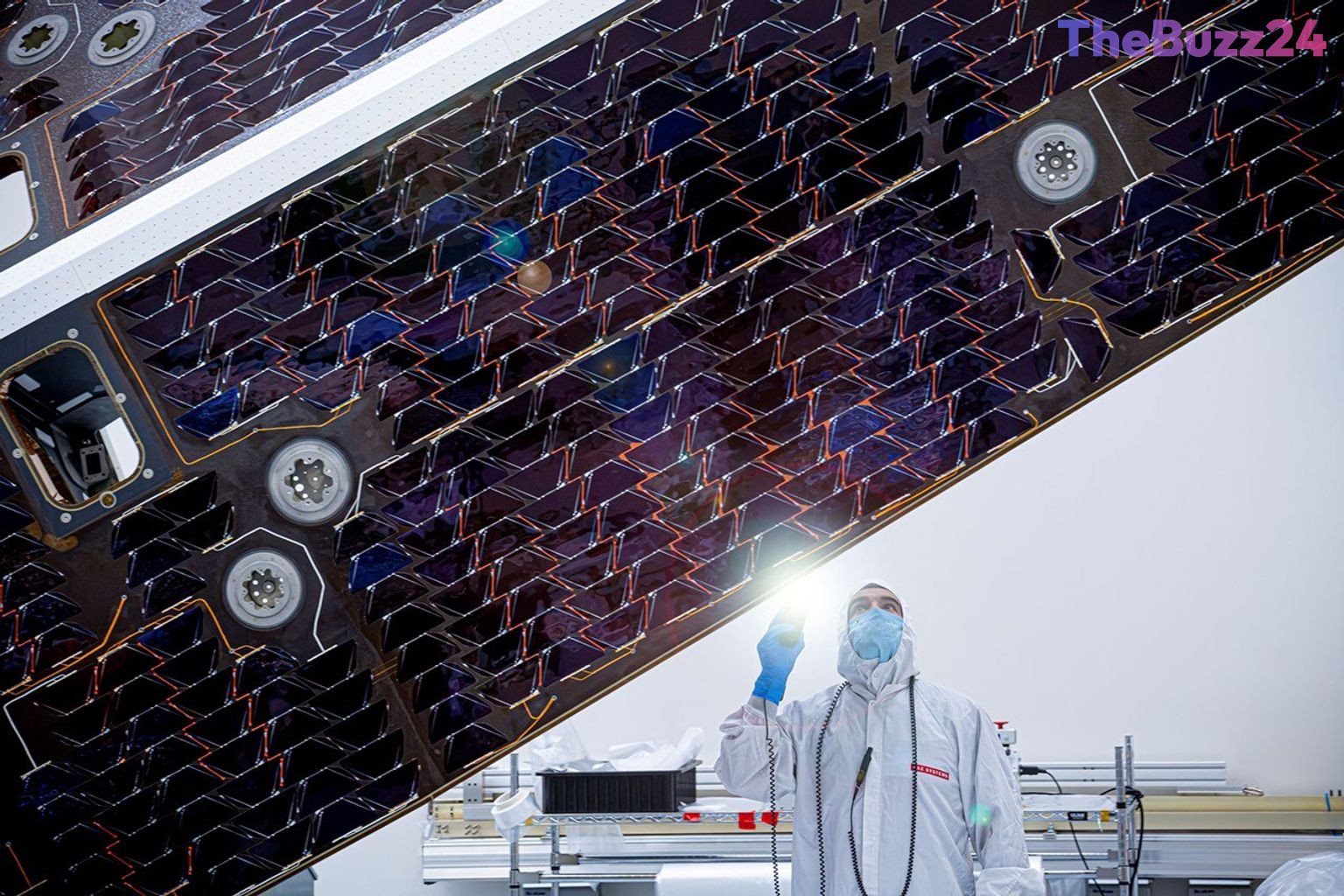
NASA’s upcoming Near-Earth Object (NEO) Surveyor mission has achieved a significant development milestone as technicians recently completed a detailed inspection of the spacecraft’s solar cells. The inspection took place at the BAE Systems Space & Mission Systems facility in Boulder, Colorado, marking a critical step in preparing the observatory for its future role in planetary defense.
The mission’s large sunshade, which serves as the mounting structure for the solar array, was manufactured by Applied Aerospace in Stockton, California. The integration of the solar cells was handled by SolAero Technologies in Albuquerque, New Mexico, earlier this year. Following the assembly, the hardware underwent rigorous environmental testing at a specialized thermal vacuum facility in El Segundo, California, to ensure it can withstand the harsh conditions of space. The completed sunshade and solar array assembly was delivered to BAE Systems ahead of schedule this past May.
Once deployed, the NEO Surveyor will play a vital role in identifying and tracking potentially hazardous asteroids and comets. The spacecraft is specifically designed to detect objects that are often obscured by the Sun’s glare, a region of the sky that remains difficult for ground-based optical telescopes to monitor. By operating from space, the mission will significantly enhance our ability to catalog near-Earth objects and improve our understanding of potential threats to the planet.
Key Takeaways
- NASA’s NEO Surveyor mission has successfully completed the inspection of its solar array and sunshade assembly.
- The mission is designed to detect difficult-to-find asteroids and comets that are often hidden by the Sun's glare.
- The hardware components were developed through a multi-state collaboration involving Applied Aerospace, SolAero Technologies, and BAE Systems.
Editor’s Analysis & Impact
The progress of the NEO Surveyor mission underscores a strategic shift toward space-based planetary defense systems. By positioning an infrared observatory in space, NASA is effectively bypassing the limitations of ground-based telescopes, which are frequently blinded by solar interference. This capability is essential for identifying ‘dark’ or sun-ward asteroids that could pose a risk to Earth. From an industry perspective, the successful early delivery of these components highlights the efficiency of the current aerospace supply chain involving specialized contractors like BAE Systems and SolAero. As global interest in space situational awareness grows, the NEO Surveyor will likely serve as a benchmark for future missions aimed at cataloging near-Earth objects, ultimately providing the data necessary for long-term planetary security and potential mitigation strategies.
Frequently Asked Questions
Q: What is the primary purpose of the NEO Surveyor mission?
A: The NEO Surveyor is designed to discover and track near-Earth objects, specifically asteroids and comets that are difficult to detect from the ground because they are located near the Sun.
Q: Why is the sunshade important for the NEO Surveyor?
A: The sunshade is critical because it protects the spacecraft's sensitive infrared instruments from the heat and light of the Sun, while also serving as the platform for the solar cells that power the mission.
AI Disclosure: This article is based on verified data and official reports. Our Team and AI have cross-referenced every financial detail with primary sources to ensure total accuracy.
More from this Category