New Fed Chair Kevin Warsh Navigates Deep Divisions Over Interest Rate Policy Amid Surging Inflation
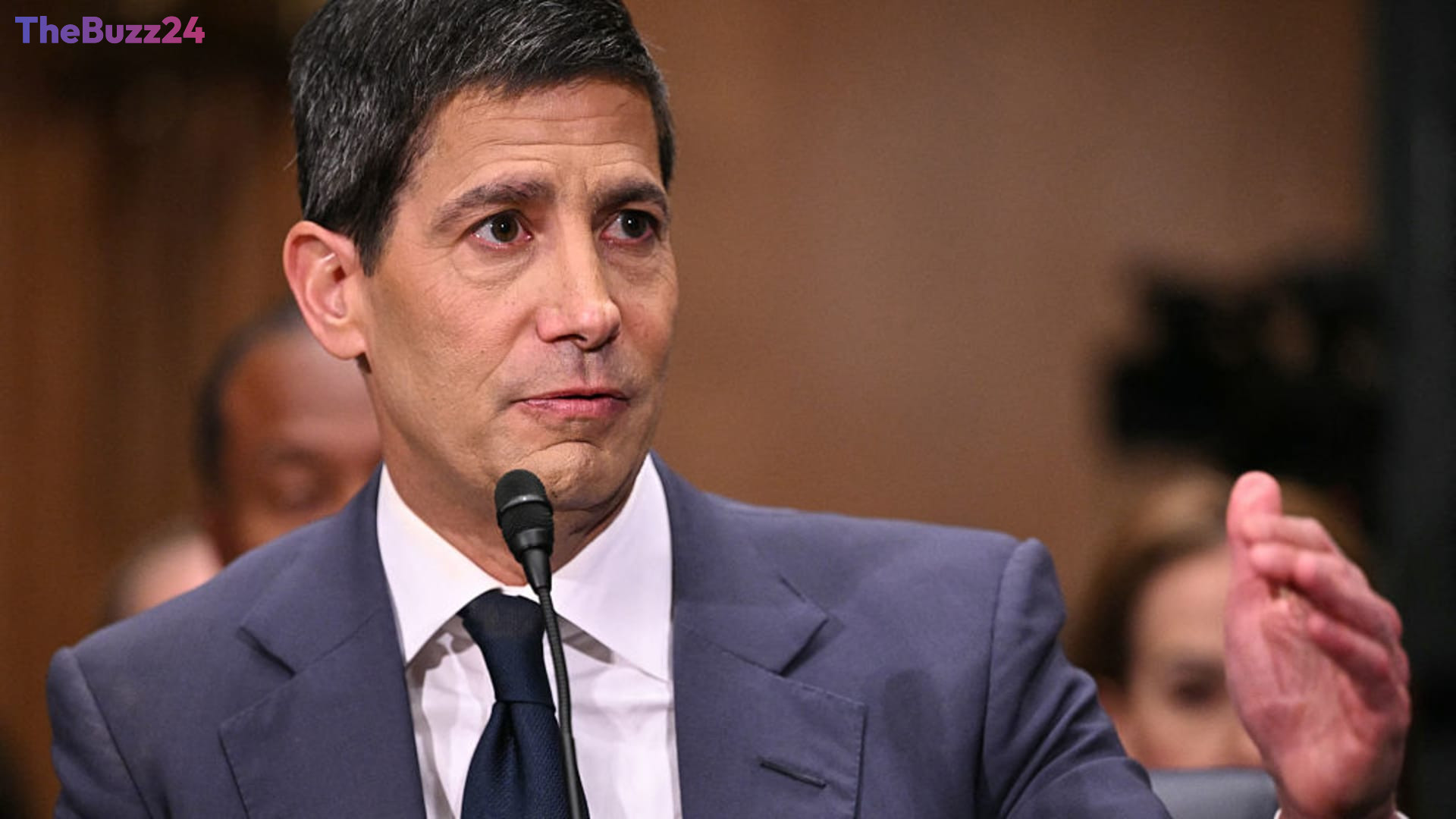
Kevin Warsh steps into his role as the new Chair of the Federal Reserve, inheriting a complex economic landscape marked by persistent inflation and a deeply divided monetary policy committee. Warsh, known for his outspoken nature and past disagreements with central bank policy during his previous tenure as a governor, is widely anticipated to advocate for a reduction in interest rates.
However, this stance is likely to meet significant resistance from the Federal Open Market Committee (FOMC). With inflation reaching multi-year highs and Treasury yields on an upward trajectory, many Fed officials appear to favor maintaining a restrictive monetary policy, or even considering further rate hikes, to curb price surges. This contrasts sharply with Warsh’s potential push for easing, despite his public alignment with the administration’s view that current inflation is temporary. The ongoing high inflation levels present a formidable challenge to this perspective, potentially weakening his arguments for rate reductions among his colleagues in the near term.
Warsh’s past remarks, including a reference to a “good family fight” during his confirmation hearing, suggest he is prepared for robust policy debates. Yet, the current economic climate, characterized by rampant inflation, positions him against a particularly challenging audience. Observers will closely monitor his ability to steer policy, especially his capacity to rally the committee towards a more unified communication approach, which could quickly establish his influence within the central bank.
Beyond internal policy disagreements, Warsh also faces external pressure. President Donald Trump has clearly articulated his expectation for lower interest rates, echoing past dynamics between the White House and the central bank. Failure to deliver on this front could lead to continued friction. Navigating these intricate internal and external pressures will demand exceptional diplomacy and a strong command of economic data as the new chair endeavors to build consensus within the committee and manage public expectations.
Key Takeaways
- New Federal Reserve Chair Kevin Warsh is expected to advocate for lower interest rates despite high inflation.
- He faces significant internal opposition from the FOMC, which largely favors a restrictive monetary policy to combat rising prices.
- Warsh must navigate both internal policy disagreements and external pressure from President Donald Trump, who expects rate cuts.
Editor’s Analysis & Impact
The appointment of Kevin Warsh as Federal Reserve Chair signals a potential shift in monetary policy, though not without significant internal and external friction. His expected advocacy for lower rates, juxtaposed against an FOMC largely committed to combating inflation, creates an environment of policy uncertainty. This could lead to increased market volatility, impacting bond yields, stock valuations, and corporate borrowing costs as investors react to the evolving debate within the Fed. The future outlook suggests a period of intense deliberation and potential policy shifts, with Warsh’s ability to build consensus being paramount. A divided Fed could result in less predictable monetary policy, affecting economic growth, inflation control, and the central bank’s perceived independence. His success will hinge on skillful diplomacy and a data-driven approach to unify the committee and manage public expectations.
Frequently Asked Questions
Q: Who is Kevin Warsh and what is his expected stance on interest rates?
A: Kevin Warsh is the new Chair of the Federal Reserve. He is expected to advocate for lower interest rates, a stance he has held previously during his tenure as a Fed governor.
Q: What is the main challenge Warsh faces regarding monetary policy?
A: Warsh faces the challenge of reconciling his preference for lower interest rates with the Federal Open Market Committee's (FOMC) current focus on combating high inflation, which leans towards maintaining restrictive policies or even considering rate hikes.
Q: How might external pressures influence the new Fed Chair?
A: President Donald Trump has publicly expressed his expectation for lower interest rates, creating external pressure on Warsh. Failure to meet these expectations could lead to friction between the White House and the central bank, adding another layer of complexity to his role.
AI Disclosure: This article is based on verified data and official reports. Our Team and AI have cross-referenced every financial detail with primary sources to ensure total accuracy.
More from this Category