Nvidia Under Fire: Academic Slams Tech Giant as ‘Detriment’ to U.S. Industrial Strength Amidst Legal Storm
Renowned Yale academic Jeffrey Sonnenfeld has sharply criticized Nvidia, arguing that the technology giant is actively undermining American industrial power rather than bolstering it. Sonnenfeld’s critique comes at a time when Nvidia faces a barrage of legal challenges and scrutiny over its role in supplying advanced technology, particularly to China.
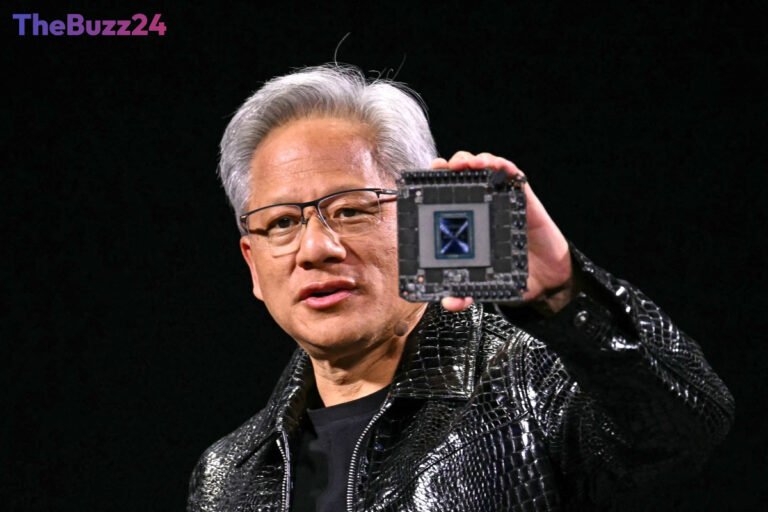
Sonnenfeld pointed to evidence suggesting that Nvidia’s cutting-edge chips have found their way into China, circumventing U.S. export controls. He also linked the struggles of AI firm Anthropic to revelations that China’s advanced open-source AI models may be derivative works, created using Nvidia’s sophisticated hardware. Despite these concerns, Nvidia has maintained that chip smuggling is not a significant issue.
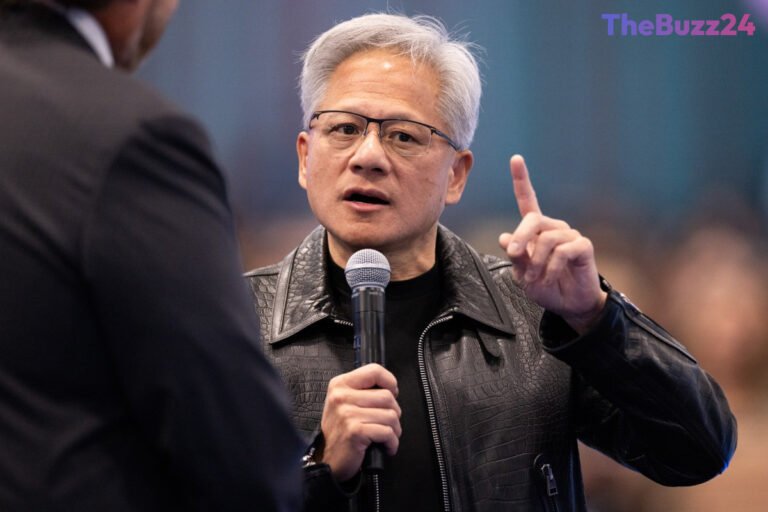
The controversy is further amplified by the recent reinstatement of Jensen Huang as Nvidia’s CEO. This move, reportedly influenced by high-level political pressure, has drawn ire from Sonnenfeld and others who question the board’s decision-making process. The academic warned that directors who approved Huang’s return, especially while investigations into his conduct are ongoing, could face substantial individual legal liability. The company is already grappling with multiple shareholder lawsuits, a Department of Justice antitrust probe, and potential investigations by the SEC and FBI, alongside congressional inquiries.
Sonnenfeld also highlighted concerns about the ethical implications of Huang’s return, particularly in light of admitted extramarital affairs with a subordinate. He argued that such conduct compromises objective decision-making within the company, potentially leading to favoritism or retribution and impacting team dynamics. The academic stressed that the core technological innovation at Nvidia stems from its engineering teams, not solely from its leadership, suggesting that the company’s operational strength remains intact regardless of executive changes.
Key Takeaways
- Yale academic Jeffrey Sonnenfeld argues Nvidia's advanced chips reaching China undermine U.S. industrial might.
- Nvidia faces numerous legal challenges, including shareholder lawsuits and government investigations, following Jensen Huang's reinstatement as CEO.
- Concerns are raised about the ethical implications of leadership conduct and its potential impact on corporate decision-making and employee morale.
Editor’s Analysis & Impact
Nvidia’s current predicament highlights a critical tension between technological advancement, national security, and corporate governance. The company’s dual role as an innovator and a potential conduit for adversaries’ technological development places it at the center of geopolitical and economic debates. The extensive legal and regulatory scrutiny suggests a challenging period ahead, potentially impacting investor confidence and market valuation. The situation underscores the increasing importance of robust compliance and ethical leadership in the tech sector, especially for companies operating at the forefront of critical technologies like AI and advanced semiconductors. Future outlook depends on Nvidia’s ability to navigate these complex legal and political landscapes while maintaining its technological edge.
Frequently Asked Questions
Q: What is the main criticism leveled against Nvidia by Jeffrey Sonnenfeld?
A: Jeffrey Sonnenfeld criticizes Nvidia, arguing that its advanced chips reaching China, despite U.S. export controls, makes the company a 'detriment to U.S. global industrial might' rather than a champion of American industry.
Q: What legal issues is Nvidia currently facing?
A: Nvidia is facing multiple shareholder lawsuits, an antitrust investigation by the Department of Justice, a reported SEC probe into its accounting, a possible FBI review, and congressional inquiries, including testimony from CEO Jensen Huang.
Q: Why is Jensen Huang's return as CEO controversial?
A: Jensen Huang's reinstatement is controversial due to ongoing investigations into his conduct, allegations of circumventing export controls, and admitted extramarital affairs with a subordinate, which critics argue compromise corporate governance and ethical standards.
AI Disclosure: This article is based on verified data and official reports. Our Team and AI have cross-referenced every financial detail with primary sources to ensure total accuracy.
More from this Category