Oil Markets Retreat as Diplomatic Breakthrough With Iran Looms
Global oil markets saw a notable decline on Wednesday, with U.S. crude prices falling below the $100 per barrel mark. This downward shift was largely driven by signals that diplomatic negotiations between Washington and Tehran are entering their final stages, offering a glimmer of hope for the stabilization of global energy supplies.
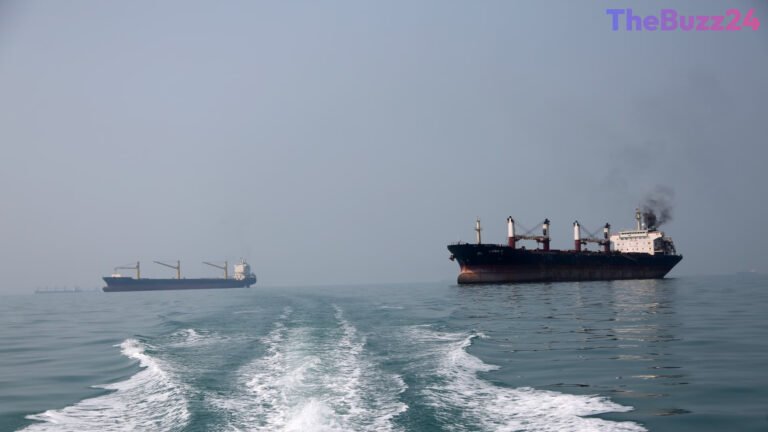
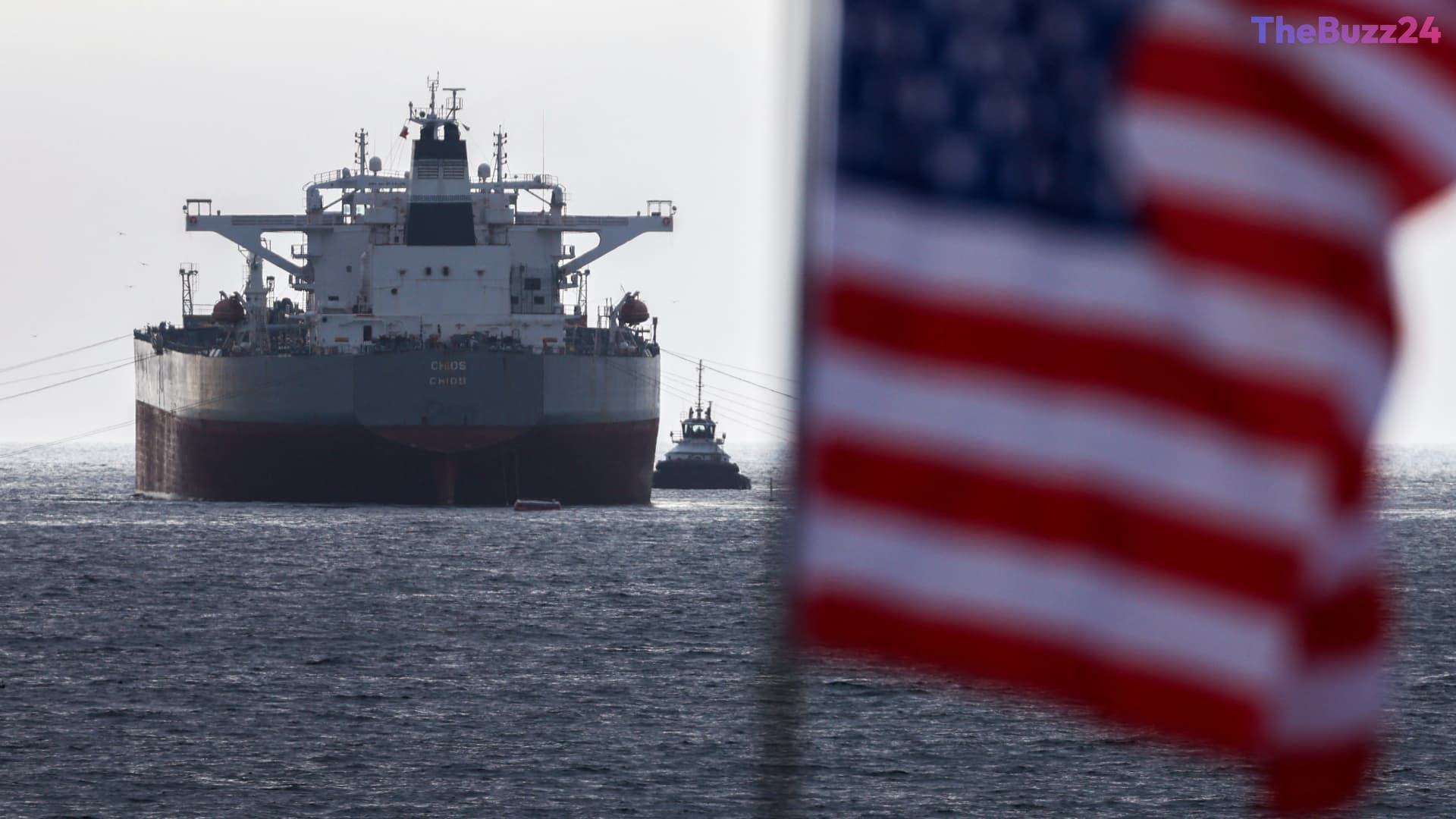
West Texas Intermediate futures experienced a sharp decline of more than 6%, closing at $97.74 per barrel. Similarly, the international benchmark, Brent crude, saw a retreat of nearly 6%, settling at $104.62 per barrel. The volatility reflects the high stakes surrounding the Strait of Hormuz, a critical maritime chokepoint that has been the center of a tense geopolitical standoff involving trade blockades and supply chain concerns.
While the current administration has expressed optimism regarding a peaceful resolution, market analysts remain wary. Previous efforts to de-escalate tensions have often been followed by renewed friction, leading to a cautious outlook among traders. The market is currently balancing the potential for a swift diplomatic success against the lingering risks of a prolonged disruption in one of the world’s most vital energy transit routes.
Key Takeaways
- U.S. crude oil prices dropped below $100 per barrel following positive signals regarding diplomatic talks with Iran.
- Geopolitical tensions surrounding the Strait of Hormuz remain the primary driver of current oil market volatility.
- Analysts are divided on the future of energy prices, with projections ranging from a stabilization at $80 per barrel to potential spikes if diplomatic efforts fail.
Editor’s Analysis & Impact
The recent dip in oil prices underscores the extreme sensitivity of global energy markets to geopolitical developments in the Middle East. The Strait of Hormuz remains a critical vulnerability in the global supply chain, and any signal of stability is immediately priced into the market. However, the volatility observed suggests that traders are not yet fully convinced of a lasting resolution. If diplomatic efforts stall, the market could face a rapid reversal, with supply constraints potentially driving prices back toward the $120-$200 range. Conversely, a successful agreement would likely provide a much-needed cooling effect on global inflation, as energy costs are a primary driver of broader economic stability. Investors should expect continued short-term fluctuations until a concrete, verifiable agreement is reached between the involved parties.
Frequently Asked Questions
Q: Why does the Strait of Hormuz impact global oil prices?
A: The Strait of Hormuz is a vital maritime chokepoint through which a significant portion of the world's oil supply passes. Any threat of closure or conflict in this region creates fears of supply shortages, which drives up global oil prices.
Q: What is the potential impact of a successful diplomatic breakthrough?
A: A successful agreement could restore transit through the Strait of Hormuz, potentially stabilizing Brent crude prices toward $80 per barrel by 2026 and easing global energy costs.
AI Disclosure: This article is based on verified data and official reports. Our Team and AI have cross-referenced every financial detail with primary sources to ensure total accuracy.
More from this Category