Oil Prices Slide Amid Renewed Diplomatic Signaling Over Strait of Hormuz
Global oil markets experienced a significant downturn this week, with U.S. crude prices falling nearly 8% as diplomatic discussions between Tehran and Washington took place on the sidelines of the United Nations General Assembly. West Texas Intermediate (WTI) saw a decline of 2.3%, closing at $92.41 per barrel, while the international benchmark, Brent crude, settled at $104.32 after a 2.1% drop.
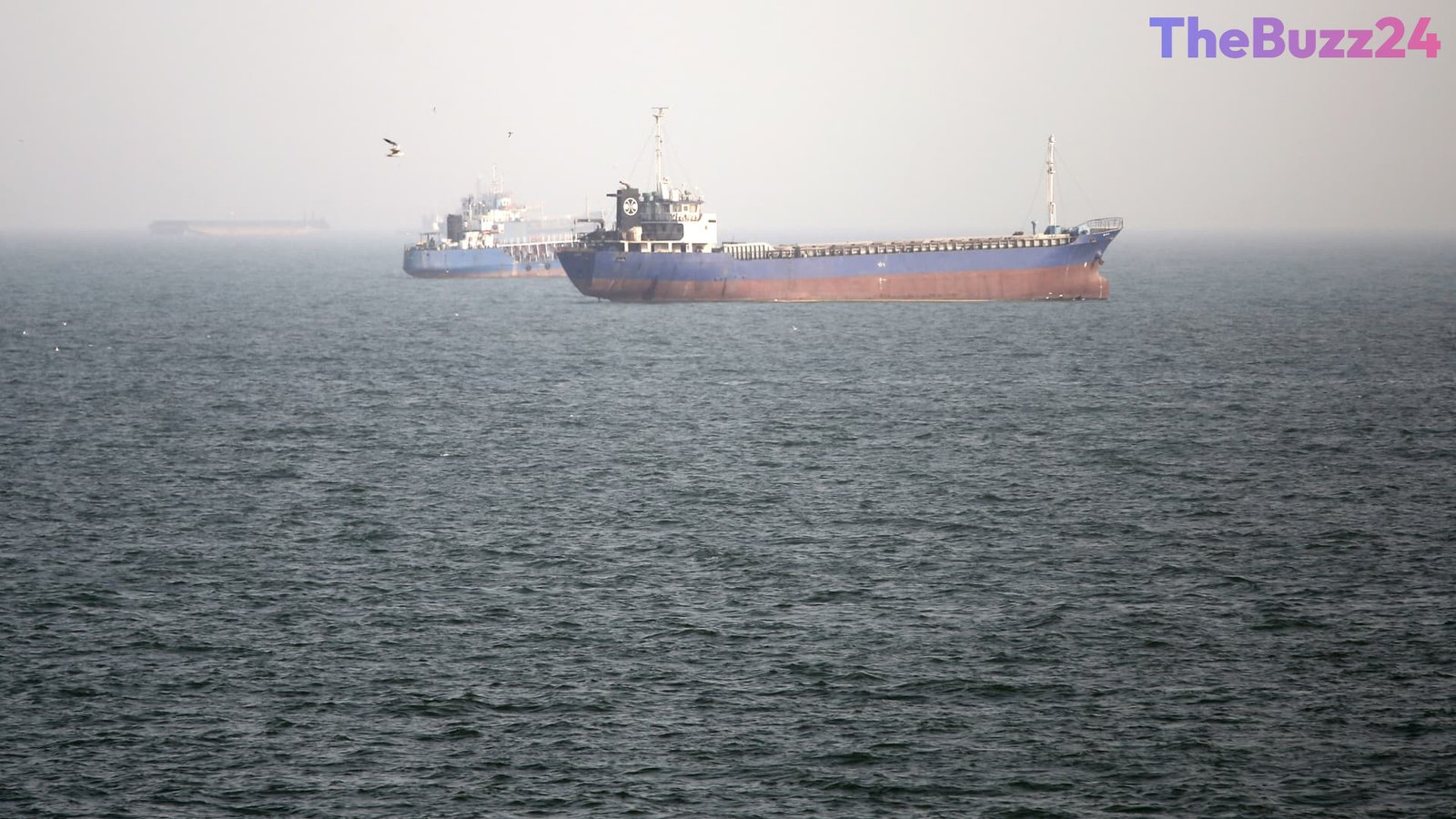
The market volatility follows comments from Iranian Foreign Minister Abbas Araghchi, who indicated that Tehran is prepared to reopen the Strait of Hormuz within seven days, provided the United States adheres to the conditions of an interim peace agreement established in June. This proposal comes as a potential attempt to stabilize transit routes that have been plagued by recent geopolitical friction.
Despite the overture, the path to a lasting resolution remains uncertain. A previous memorandum of understanding reached in June failed to hold, quickly collapsing due to renewed disputes over transit rights. Analysts remain skeptical regarding whether the current proposal offers enough security to prevent future hostilities in the region. Tehran has stated it is awaiting a formal response from the U.S. administration, noting that while a deal before the midterm elections would be ideal, they are not operating under a strict deadline.
Key Takeaways
- U.S. crude oil prices dropped nearly 8% over the week following diplomatic talks at the U.N.
- Iran has proposed reopening the Strait of Hormuz if the U.S. fulfills conditions from a previous June agreement.
- Market uncertainty persists as previous attempts at a memorandum of understanding collapsed shortly after being signed.
Editor’s Analysis & Impact
The recent dip in oil prices highlights the extreme sensitivity of energy markets to geopolitical developments in the Strait of Hormuz, a critical chokepoint for global oil supply. The market’s negative reaction suggests a lack of investor confidence in the durability of the proposed diplomatic solution, especially given the history of failed agreements between the two nations. If a concrete deal is not reached, the risk of supply chain disruptions remains high, which could lead to renewed price volatility. Looking forward, the timing of these negotiations—coinciding with U.S. midterm elections—adds a layer of political complexity. Investors should expect continued fluctuations as the market weighs the potential for a breakthrough against the high probability of further diplomatic stalemates or renewed regional conflict.
Frequently Asked Questions
Q: Why did oil prices fall this week?
A: Oil prices fell largely due to diplomatic discussions at the U.N. regarding the Strait of Hormuz, which signaled a potential easing of tensions that had previously kept prices elevated.
Q: What is the significance of the Strait of Hormuz?
A: The Strait of Hormuz is a vital maritime chokepoint for global oil shipments; any threat to transit rights through this area typically causes immediate concern and price spikes in global energy markets.
AI Disclosure: This article is based on verified data and official reports. Our Team and AI have cross-referenced every financial detail with primary sources to ensure total accuracy.
More from this Category