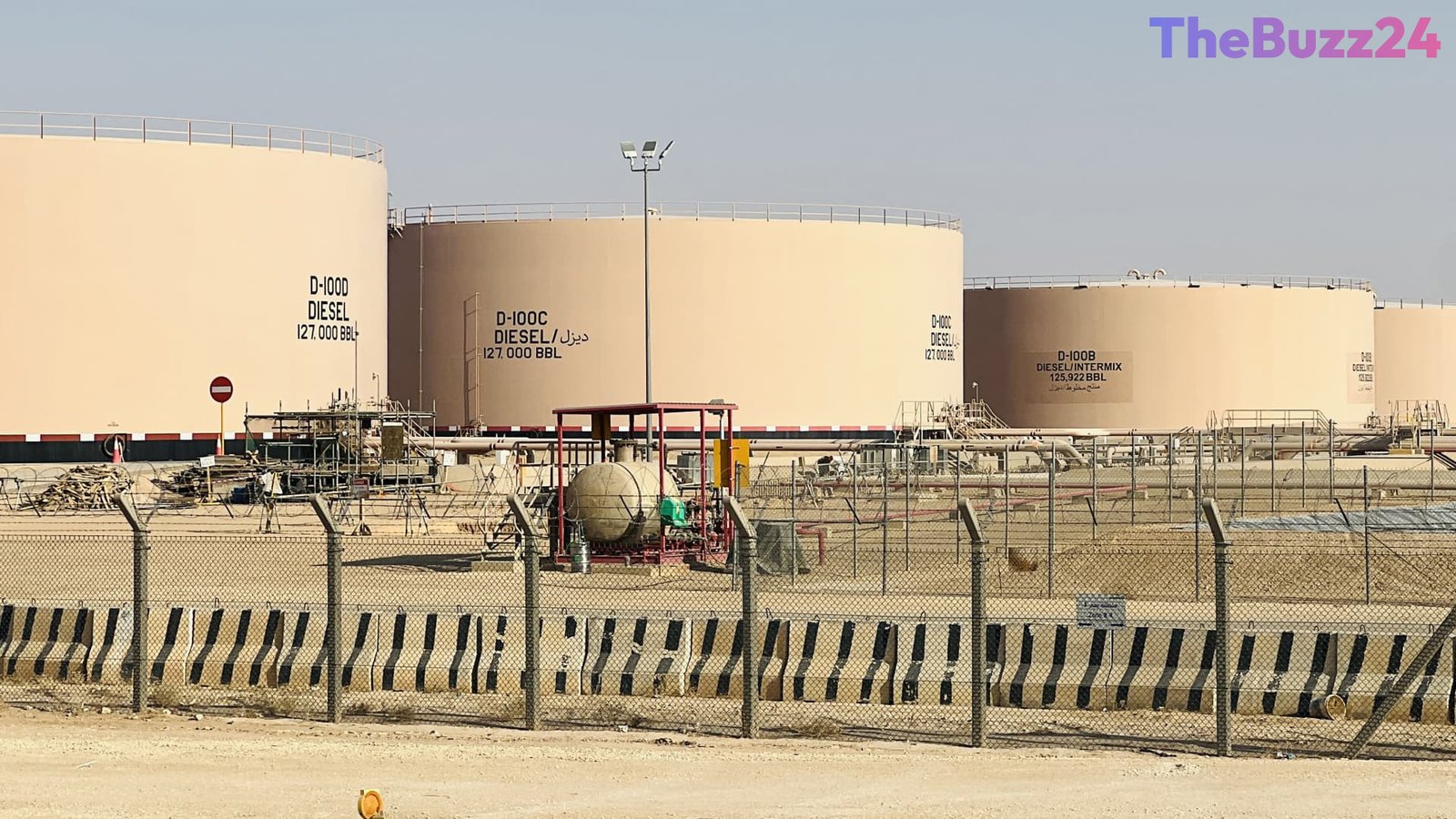
Saudi Arabia Crude Exports Surge to Pre-War Averages Despite Pipeline Attacks
Saudi Arabia has successfully boosted its crude oil exports to 6 million barrels per day this September, matching the kingdom’s monthly averages for 2025. This notable recovery comes despite significant logistical hurdles, including the temporary shutdown of the vital East-West oil pipeline following a drone strike originating from Iraq earlier in the month.
To compensate for the damaged infrastructure, the kingdom successfully rerouted its shipments back through the heavily monitored Strait of Hormuz. This maneuver was made possible as international naval forces, led by the U.S. military, established a secure shipping corridor along the coast of Oman. Although the maritime route remains volatile due to ongoing regional hostilities involving Iran-backed factions, increased traffic indicates a growing reliance on and confidence in the passage.
Market reactions to the initial pipeline closure saw Brent crude spike toward $110 per barrel; however, prices have since stabilized as supply fears diminished. Meanwhile, industry insiders indicate that the East-West pipeline has begun a gradual restart at lower operational capacities, signaling a broader stabilization of Middle Eastern energy logistics moving forward.
Key Takeaways
- Saudi Arabia's crude exports reached 6 million barrels per day in September, marking the highest volume since the onset of the Iran conflict.
- Exports rebounded despite the closure of the crucial East-West pipeline after a drone attack, thanks to rerouting through the Strait of Hormuz.
- Brent crude prices have stabilized following an initial spike, driven by growing confidence in alternative shipping lanes and early signs of pipeline recovery.
Editor’s Analysis & Impact
The rapid recovery of Saudi Arabia’s crude oil exports highlights the remarkable resilience of modern energy supply chains in the face of geopolitical conflict. The successful pivot back to the Strait of Hormuz, facilitated by allied naval escorts, demonstrates that critical trade arteries can remain functional even under persistent threat. For global markets, this swift adaptation prevents prolonged supply shocks and helps temper inflationary pressures on commodities. However, the fragile security situation in the Middle East continues to pose a latent risk for energy investors. As infrastructure repairs proceed and alternative routes are tested, the market will remain hyper-sensitive to any escalation that could disrupt tanker traffic, keeping volatility a persistent factor in oil pricing strategies over the coming quarters.
Frequently Asked Questions
Q: How much crude oil is Saudi Arabia exporting in September?
A: Saudi Arabia is exporting approximately 6 million barrels per day of crude oil in September, recovering to the kingdom's 2025 monthly average.
Q: Why was the East-West oil pipeline shut down?
A: The critical East-West oil pipeline was closed after sustaining damage from a drone attack launched from Iraq.
Q: How did Saudi Arabia maintain its export levels after the pipeline closure?
A: The kingdom redirected its crude oil exports back through the Strait of Hormuz, utilizing a secure shipping lane carved out by the U.S. military along Oman's coast.
AI Disclosure: This article is based on verified data and official reports. Our Team and AI have cross-referenced every financial detail with primary sources to ensure total accuracy.
More from this Category