Pi Network Faces Market Headwinds Despite New AI-Driven Developer Tools
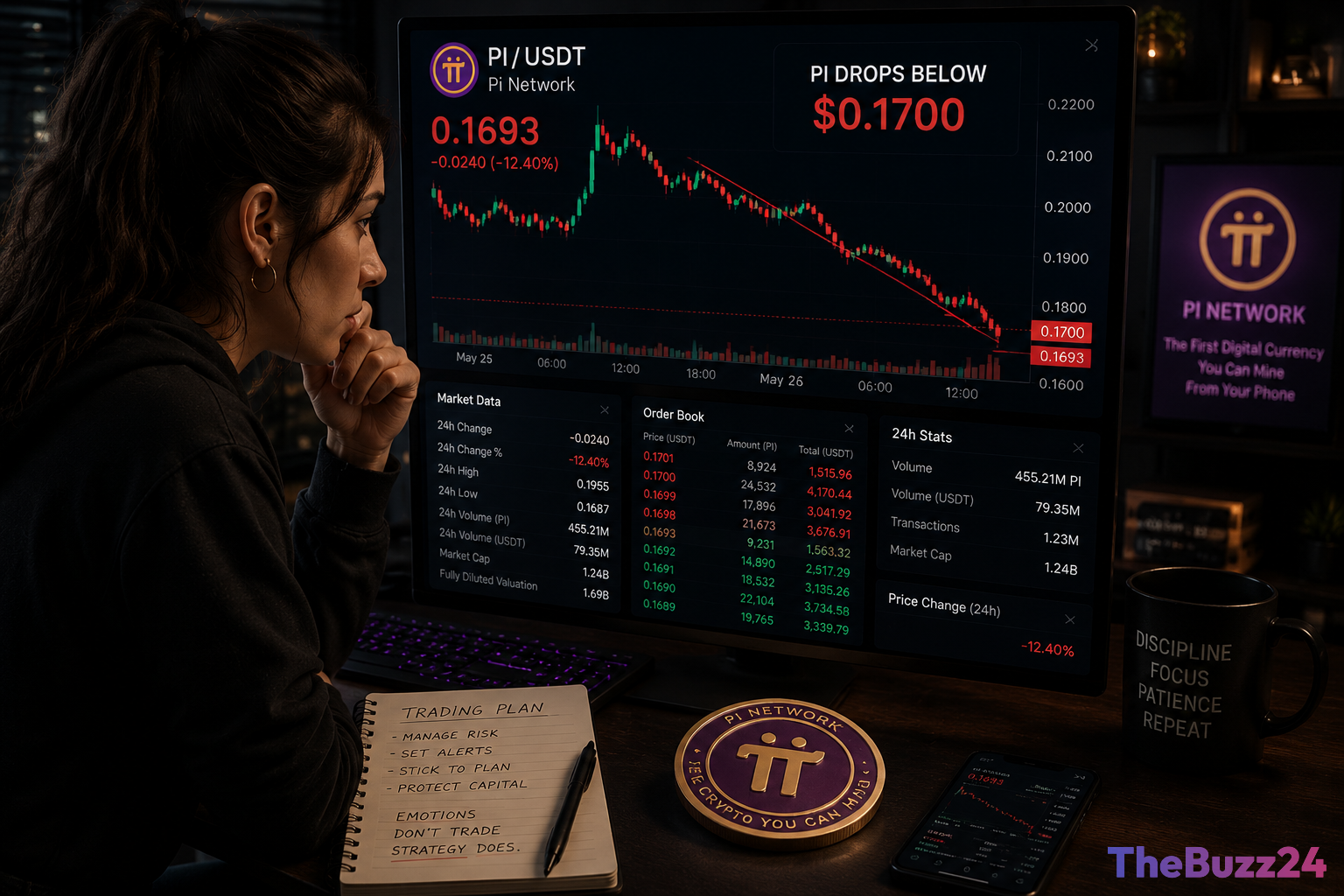
The Pi Network’s native token, PI, is currently navigating a challenging market environment, characterized by persistent bearish pressure and a steady decline in value. Despite the project’s efforts to expand its utility and ecosystem, the token has struggled to maintain its price floor, with technical indicators suggesting that further corrective movement may be on the horizon if the asset fails to hold key support levels.
This downward trend persists even as the network introduces significant upgrades aimed at developer engagement. The recent rollout of ‘vibe coding’ features is designed to simplify the transition of AI-assisted applications from platforms like Cursor, Replit, and Claude Code directly into the Pi ecosystem. By lowering the barrier to entry for developers, the network hopes to leverage its massive user base of over 60 million people to drive long-term adoption and utility, effectively streamlining the path from concept to functional Pi App.
From a technical standpoint, the short-term outlook remains guarded. The token is currently contending with significant resistance near the 50-period and 200-period Exponential Moving Averages, which hover between $0.1733 and $0.1771. Furthermore, a downtrend resistance line near $0.1741 continues to stifle recovery attempts. With the Relative Strength Index (RSI) sitting below the midline at 45, selling pressure remains evident. Market participants are now watching the $0.1645 support level closely, as a breach of this threshold could signal a deeper correction for the asset.
Key Takeaways
- The Pi Network token is experiencing downward price pressure, struggling to break through key technical resistance levels.
- New 'vibe coding' tools have been launched to allow developers to easily port AI-assisted apps into the Pi ecosystem.
- Despite a large user base of 60 million, the token's short-term performance is hindered by bearish momentum and weak RSI indicators.
Editor’s Analysis & Impact
The current state of the Pi Network highlights a common dichotomy in the crypto space: the gap between ecosystem development and market price action. While the introduction of AI-assisted development tools is a strategic move to increase the network’s utility and developer stickiness, the market is currently prioritizing macroeconomic and technical trends over fundamental project updates. The reliance on ‘vibe coding’ to attract developers is a clever play to capitalize on the current AI boom, but for the token to decouple from its bearish trend, the network must demonstrate that these new apps are generating genuine on-chain activity. Investors should remain cautious, as the token’s inability to reclaim its moving averages suggests that the broader market sentiment remains skeptical, potentially leading to further consolidation before any meaningful recovery can occur.
Frequently Asked Questions
Q: What is the primary goal of the new 'vibe coding' features on Pi Network?
A: The 'vibe coding' features are designed to allow developers to easily convert AI-assisted applications from various platforms into functional Pi Apps, thereby reducing development time and expanding the ecosystem.
Q: What technical levels are traders watching for the PI token?
A: Traders are monitoring resistance levels between $0.1733 and $0.1771, and a critical support level at $0.1645.
AI Disclosure: This article is based on verified data and official reports. Our Team and AI have cross-referenced every financial detail with primary sources to ensure total accuracy.
More from this Category