Flying High Again: Berkshire Hathaway Re-enters Airline Sector with Massive Delta Investment
Berkshire Hathaway has made a dramatic return to the aviation sector, securing a massive stake in Delta Air Lines valued at over $2.6 billion. This strategic pivot, orchestrated under the leadership of Warren Buffett, marks a complete reversal from 2020, when the Omaha-based conglomerate completely liquidated its airline holdings amid pandemic-driven travel disruptions. Delta has now climbed to become the fourteenth-largest holding in Berkshire’s highly watched investment portfolio, signaling a renewed faith in the recovery and long-term profitability of commercial aviation.
This renewed interest in airlines comes after years of skepticism from Buffett, who previously divested more than $4 billion from major carriers including United, American, and Southwest. Alongside the new Delta position, Berkshire expanded its footprint in other sectors, boosting its stake in Google’s parent company, Alphabet, which is now its seventh-largest holding. The conglomerate also initiated a fresh position in retail giant Macy’s, demonstrating a diversified approach to capturing consumer demand.
To streamline its portfolio, Berkshire completely exited several high-profile positions, selling off its entire stakes in Amazon, Mastercard, and Visa. Analysts suggest these divestments, which also included UnitedHealth Group and Domino’s Pizza, may reflect a rebalancing effort led by investment lieutenant Todd Combs. These sales have contributed to Berkshire’s massive cash reserves, which are now approaching an unprecedented $400 billion.
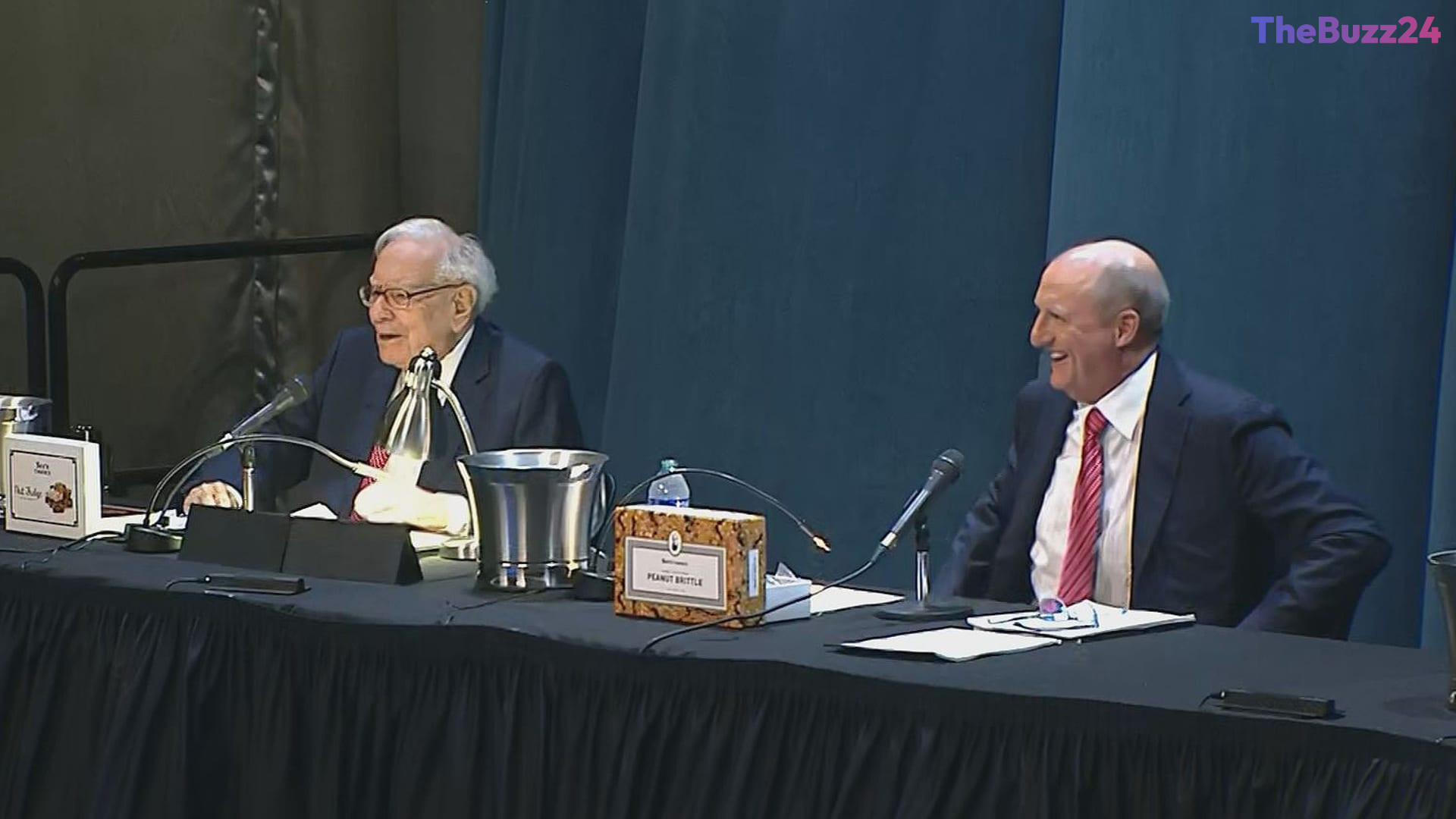
Despite holding this record-breaking mountain of cash, Berkshire remains highly selective. CEO Greg Abel continues to work closely with Buffett on capital allocation and share buybacks. Buffett has openly expressed frustration with the current market, describing it as “not ideal” for deploying capital effectively. While tactical moves like the Delta acquisition show the firm is still active, Berkshire appears to be waiting for more favorable valuations before deploying its full financial power.
Key Takeaways
- Berkshire Hathaway has re-entered the aviation market with a $2.6 billion investment in Delta Air Lines, reversing its 2020 decision to exit the sector.
- The conglomerate restructured its portfolio by increasing its Alphabet holdings and buying Macy's, while completely divesting from Amazon, Visa, and Mastercard.
- Berkshire's cash reserves have climbed toward a record $400 billion as leadership exercises caution in an expensive and challenging market environment.
Editor’s Analysis & Impact
Berkshire Hathaway’s reinvestment in Delta Air Lines represents a major vote of confidence in the structural recovery of the global travel industry. By reversing his pandemic-era exit, Warren Buffett is acknowledging that consumer demand for aviation remains resilient. However, the broader portfolio changes—specifically exiting high-growth fintech giants like Visa and Mastercard, alongside e-commerce leader Amazon—suggest a shift toward defensive value. The most critical takeaway is Berkshire’s staggering $400 billion cash pile. This massive reserve indicates that while the firm is willing to make selective, tactical bets, it is largely keeping its powder dry. Buffett and his successor, Greg Abel, are signaling that current market valuations are stretched, and they are waiting for a significant correction or a truly compelling large-scale acquisition opportunity to deploy their capital.
Frequently Asked Questions
Q: Why did Berkshire Hathaway previously sell its airline holdings?
A: In 2020, Berkshire liquidated its airline stocks due to extreme uncertainty surrounding the COVID-19 pandemic, which Warren Buffett believed had permanently altered the economics of the travel industry.
Q: Which major companies did Berkshire Hathaway recently exit?
A: The conglomerate completely sold off its positions in Amazon, Mastercard, Visa, UnitedHealth Group, and Domino's Pizza.
Q: Who is managing Berkshire Hathaway's capital allocation alongside Warren Buffett?
A: CEO Greg Abel works closely with Buffett on capital allocation and share buybacks, while investment lieutenant Todd Combs also manages portions of the portfolio.
AI Disclosure: This article is based on verified data and official reports. Our Team and AI have cross-referenced every financial detail with primary sources to ensure total accuracy.
More from this Category