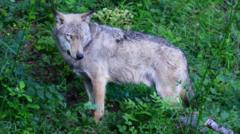
Mass Poisoning of Wolves in Italian National Park Sparks Conservation Crisis
Authorities in Italy have launched a formal investigation following the discovery of 18 dead wolves within the Abruzzo, Lazio, and Molise National Park. The grim discovery began with the recovery of 10 carcasses, but intensified patrols by park officials quickly uncovered eight more. Preliminary toxicology reports from the Teramo-based animal health research institute, IZS, have confirmed the presence of agricultural pesticides in the remains, indicating that the animals were killed by illegal poisoned bait.
The incident has triggered widespread outrage among government officials and environmental experts. Environment Minister Gilberto Pichetto Fratin condemned the act as a severe threat to the local ecosystem. Researchers from the Institute for Environmental Protection and Research (Ispra) have issued warnings regarding the broader public safety risks, noting that these toxins do not discriminate and could easily harm domestic animals or other protected wildlife. Of particular concern is the potential impact on the critically endangered Marsican brown bear, a population that currently numbers only about 50 individuals.
This event unfolds amid a contentious debate over wolf management in Europe. While Italy’s wolf population has grown to an estimated 3,300, the increase has fueled tensions with local livestock owners. Although the European Union recently moved to downgrade the wolf’s status from ‘strictly protected’ to ‘protected’—a change intended to facilitate limited culls by 2026—conservation groups are now calling for a policy review. Organizations like Legambiente argue that the poisoning represents a dangerous form of vigilante justice that threatens to undo decades of successful conservation efforts.
Key Takeaways
- 18 wolves were found dead in Italy's Abruzzo, Lazio, and Molise National Park due to illegal pesticide poisoning.
- Experts warn that the use of toxic bait poses a severe risk to other endangered species, including the rare Marsican brown bear.
- The incident has intensified the debate over European wolf management policies following the EU's recent decision to downgrade the species' protection status.
Editor’s Analysis & Impact
The mass poisoning of wolves in a protected Italian national park highlights the volatile intersection of wildlife conservation and agricultural interests. As wolf populations recover across Europe, the resulting human-wildlife conflict has created a political vacuum often filled by illegal, harmful practices. The decision by the European Union to downgrade the wolf’s protection status was intended to provide a legal framework for managing these conflicts, but this incident suggests that such policy shifts may inadvertently embolden those who prefer extrajudicial methods. Moving forward, the challenge for policymakers will be to balance the protection of biodiversity with the economic realities of livestock farming. Without robust enforcement and better conflict-mitigation strategies, the risk of further ecological damage remains high, potentially threatening the survival of other vulnerable species that share the same habitat.
Frequently Asked Questions
Q: What caused the death of the 18 wolves in the national park?
A: Toxicology reports confirmed that the wolves were killed by illegal poisoned bait containing agricultural pesticides.
Q: Why is this incident considered a threat to other animals?
A: The use of indiscriminate poisons in the wild poses a significant danger to other protected species, such as the critically endangered Marsican brown bear, as well as domestic animals and the local ecosystem.
AI Disclosure: This article is based on verified data and official reports. Our Team and AI have cross-referenced every financial detail with primary sources to ensure total accuracy.
More from this Category