Pope Leo XIV Demands End to Resource Exploitation and Corruption in Cameroon
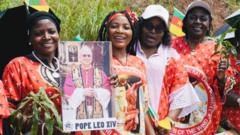
During a significant diplomatic visit to the conflict-affected region of Bamenda, Cameroon, Pope Leo XIV issued a stern condemnation regarding the exploitation of African natural resources by foreign interests. Addressing a crowd of 20,000 at Bamenda Airport, the pontiff argued that international entities are consistently prioritizing financial gain over human welfare. He asserted that this pursuit of profit is a primary driver of regional instability, as it frequently funnels wealth into the arms trade rather than community development. This message arrives at a pivotal moment for Cameroon, which has struggled with a decade-long separatist insurgency that has resulted in at least 6,000 deaths and widespread displacement.
While attending a peace summit at Saint Joseph’s Cathedral, the Pope engaged with religious leaders and survivors of the ongoing violence between government forces and Anglophone separatists. These discussions highlighted the severe human toll of the conflict, including the destruction of essential infrastructure and the prevalence of kidnappings. The pontiff lauded the resilience of the local population and demanded an immediate cessation of profit-driven agendas that sacrifice human life, labeling such greed as a fundamental obstacle to peace across the continent.
In a direct appeal to the administration of President Paul Biya, the Pope urged for a comprehensive effort to dismantle systemic corruption, which he identified as a major barrier to government legitimacy and national progress. He proposed that a roadmap to sustainable peace requires a radical shift in national priorities, specifically advocating for increased investment in the country’s youth and the meaningful integration of women into political and social decision-making processes.
This visit serves as a cornerstone of an 11-day diplomatic tour across Africa, with subsequent stops planned for Angola and Equatorial Guinea. The mission reflects the pontiff’s ongoing commitment to promoting reconciliation and peaceful coexistence, building upon recent diplomatic efforts aimed at fostering social harmony in the region.
Key Takeaways
- Pope Leo XIV criticized foreign entities for exploiting African resources and fueling regional conflict through the arms trade.
- The pontiff called on the Cameroonian government to address systemic corruption and prioritize the empowerment of women and youth.
- The visit underscores the urgent need for a resolution to the decade-long conflict that has caused significant loss of life and displacement.
Editor’s Analysis & Impact
Pope Leo XIV’s intervention in Cameroon marks a significant geopolitical development, as the Vatican increasingly positions itself as a moral arbiter in regional conflicts. By explicitly linking resource exploitation to the arms trade, the pontiff is shifting the narrative from a purely internal separatist struggle to a broader critique of global economic practices. This stance places pressure on both the Cameroonian government and international stakeholders to address the root causes of instability rather than merely managing the symptoms. The long-term impact of this visit will likely depend on whether the administration in Yaoundé adopts the suggested reforms or views the criticism as an external intrusion. Ultimately, the Pope’s focus on youth and female empowerment suggests a strategy aimed at long-term social stabilization, though the immediate challenge remains the entrenched violence and corruption that continue to plague the region.
Frequently Asked Questions
Q: What is the primary focus of Pope Leo XIV's visit to Cameroon?
A: The visit focuses on advocating for peace, condemning the exploitation of African resources by foreign entities, and urging the government to address systemic corruption.
Q: What specific recommendations did the Pope make to the Cameroonian government?
A: The Pope called for the dismantling of corruption and emphasized the need to invest in the nation's youth and empower women in decision-making roles.
AI Disclosure: This article is based on verified data and official reports. Our Team and AI have cross-referenced every financial detail with primary sources to ensure total accuracy.
More from this Category